Watering seems like the simplest part of houseplant care, right? Just pour some water in! But honestly, it's where most plant parents, especially beginners, encounter their biggest hurdles. Getting it right is the single most important factor for a healthy, thriving plant, and getting it wrong is the fastest way to a sad, struggling specimen. Don't worry, this isn't about complicated schedules; it's about understanding your plant's unique needs and responding to them.
Understanding Your Plant's Thirst: Why Watering Isn't One-Size-Fits-All
Imagine trying to hydrate every human on Earth with the exact same amount of water every day. It sounds absurd, because individual needs vary wildly! The same goes for our leafy companions. A tiny succulent baking in a sunny window will have vastly different watering requirements than a large, leafy fern tucked into a humid bathroom corner. The key to successful watering houseplants isn't a rigid schedule, but rather observation and understanding.
One of the most common pitfalls I see is watering on a fixed calendar day. "Oh, it's Wednesday, time to water!" This approach often leads to trouble because a plant's water consumption changes constantly. Factors like light exposure, temperature, humidity, the type of plant, and even the season all play a role. So, what’s the golden rule? It's simple: Don't water on a schedule; water when your plant actually needs it.
Decoding Your Plant's Signals
Your plants are constantly communicating their needs. You just need to learn their language! A plant will tell you if it's too dry or too wet. For example, if you notice the leaves of your Pothos or Peace Lily starting to droop dramatically, often looking a bit dull, and the soil feels bone dry to the touch, chances are it's crying out for water – a classic sign of underwatering. The pot might also feel surprisingly light when you lift it.
On the other hand, signs of overwatering can be a bit more insidious. Yellowing leaves, especially lower ones, often soft and squishy to the touch, are a big red flag. The soil might look constantly damp or even have a musty smell. If you lift the pot, it will likely feel very heavy. In my experience, more houseplants succumb to overwatering than underwatering, as it starves roots of oxygen and leads to dreaded root rot. But what if your plant looks droopy, yet the soil is still soaking wet? That's a strong indicator of overwatering, as the roots are suffocating and can't absorb water effectively.
The Right Way to Water: A Step-by-Step Guide
Now that we understand the 'why' behind flexible watering, let's dive into the 'how.' This isn't rocket science, but following these steps consistently will make a huge difference in your houseplant care routine.
Step 1: Check the Soil Moisture
This is the absolute first step every single time. Instead of guessing, reach for your finger or a tool. For most plants, you want to let the top 1 to 2 inches of soil dry out before watering again. To check, simply stick your finger into the soil. If it feels dry, it's likely time to water. If it's still damp or cool, hold off. For larger pots, you might need to go a bit deeper. Honestly, this finger test is remarkably effective.
For those who prefer a little extra assurance, or for plants that are sensitive to moisture fluctuations (like Fiddle Leaf Figs or Calatheas), a moisture meter can be a game-changer. These inexpensive tools have a probe you insert into the soil, and they give you a reading from "dry" to "wet." They take the guesswork out of it and help you learn your plants' rhythms without constantly poking them.
Step 2: Choose Your Watering Method
There are two primary ways to deliver water to your plants:
- Top Watering: This is the most common method. You pour water onto the surface of the soil until it drains out of the bottom. It's suitable for most plants and helps flush out accumulated salts from the soil.
- Bottom Watering: For some plants, especially those prone to fungus gnats or with dense foliage that makes top watering tricky (like African Violets or ferns), bottom watering is excellent. Place your potted plant (with drainage holes!) into a tray or sink filled with a few inches of water. Let the plant soak up water from the bottom through its drainage holes for 20-30 minutes, or until the top of the soil feels slightly damp. This encourages stronger root growth and ensures the plant gets a thorough drink.
Step 3: Water Thoroughly
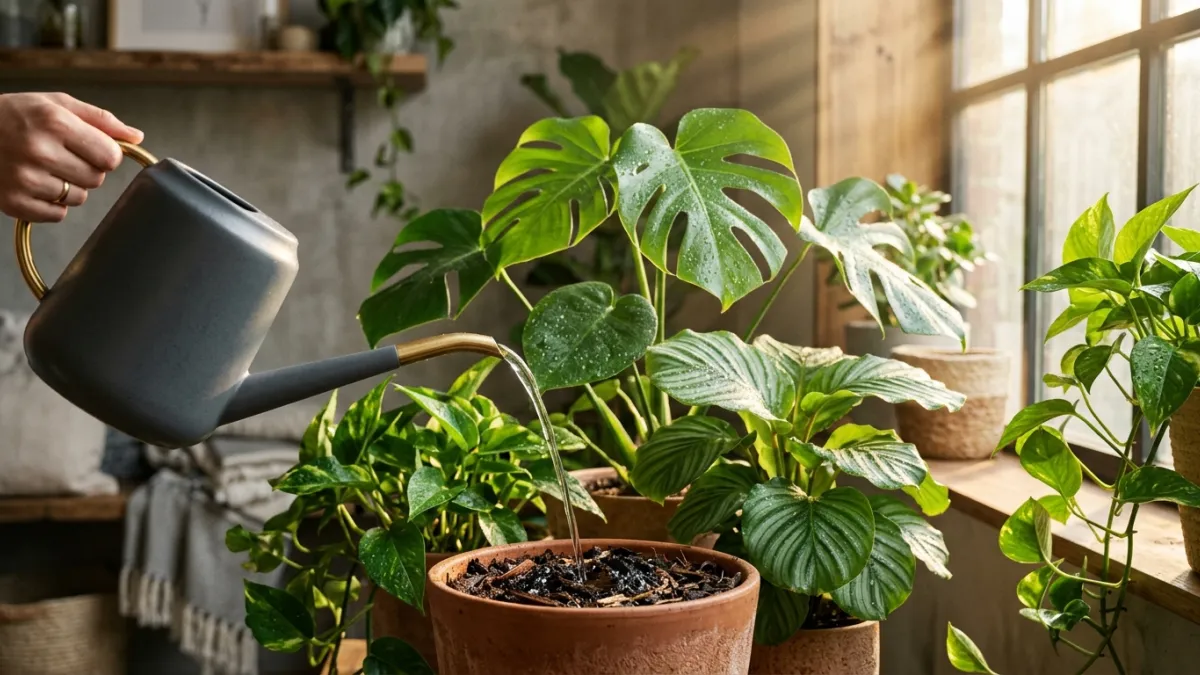
When you do water, whether from the top or bottom, make sure it’s a thorough soak. For top watering, pour slowly and evenly over the entire soil surface until water begins to drain freely from the pot's drainage holes. This ensures all the roots get access to moisture and prevents dry pockets in the soil. It’s critical that excess water has somewhere to go; without proper drainage holes, your plant is doomed to sit in standing water.
Step 4: Drain Excess Water
This step is non-negotiable. After watering, never let your plant sit in standing water in its saucer or decorative pot. Dump out any accumulated water within 15-30 minutes. Leaving roots submerged in water deprives them of oxygen, leading to root rot and ultimately, plant death. This is one of the easiest ways to prevent overwatering issues.
Factors Influencing Watering Needs (And How to Adapt)
Understanding these variables will help you fine-tune your approach for truly thriving greenery. It’s all about creating the perfect environment, not just pouring water.
Plant Type and Potting Mix
Different plants have evolved in different climates, and their genetic makeup dictates their water preferences. Succulents and cacti, native to arid regions, store water in their leaves and stems and require very infrequent watering, often allowing the soil to dry out completely between waterings. Think of a Snake Plant or a ZZ Plant – they thrive on neglect in the watering department.
On the other hand, tropical plants like a Monstera deliciosa, Calathea orbifolia, or a Fiddle Leaf Fig, which come from humid rainforests, prefer their soil to remain consistently moist (but never soggy) or to dry out only slightly between waterings. The type of potting mix also matters significantly. A good well-draining soil mix, often composed of potting mix, perlite (to improve aeration and drainage), and sometimes orchid bark (for even better drainage and air pockets), will dry out faster than a dense, heavy soil mix. This is why Easy Houseplant Care emphasizes the importance of good drainage.
Light, Humidity, and Temperature
These environmental factors are huge thirst-drivers. A plant placed in bright indirect light or even direct sun will use water much faster than the same plant in a low-light spot. More light means more photosynthesis, which means more water uptake through the roots and transpiration through the leaves. Similarly, higher temperatures increase water evaporation from the soil and transpiration from the plant. In contrast, high humidity reduces the rate of water loss from leaves, meaning the plant will need less frequent watering.
Think about it: in the dry heat of summer, you drink more water. Your plants do too! In the cooler, darker months of winter, many plants enter a period of dormancy or slower growth, and their water needs significantly decrease. Adjust your watering frequency accordingly throughout the year.
Pot Material and Size
The pot your plant lives in plays a big role in how quickly its soil dries out. Terracotta pots are porous, allowing water to evaporate through their sides, which helps the soil dry faster. This makes them excellent for plants that prefer to dry out between waterings or are prone to root rot. Plastic or glazed ceramic pots, on the other hand, retain moisture much longer because they are non-porous. This isn't inherently bad, but it means you'll need to adjust your watering schedule.
Pot size also affects drying time. A small plant in a large pot will take much longer to dry out, increasing the risk of overwatering. Conversely, a large, root-bound plant in a small pot will dry out very quickly and need more frequent watering.
| Plant Type Example | Typical Soil Moisture Preference | Light Conditions | Suggested Watering Frequency (Approx.) |
|---|---|---|---|
| snake plant, ZZ Plant, Cactus | Completely dry out | Medium to bright indirect light | Every 2-4 weeks (less in winter) |
| Pothos, Philodendron, Monstera | Top 2-3 inches dry out | Medium to bright indirect light | Every 7-14 days |
| Ferns, Calatheas, Peace Lily | Consistently moist (top inch barely dry) | Low to medium indirect light | Every 5-10 days |
Common Watering Mistakes & Troubleshooting
Even with the best intentions, mistakes happen. The good news is, most watering issues are fixable if caught early. Let me add something here: don't beat yourself up if you make a mistake. Every seasoned plant parent has killed a plant or two (or twenty!) from incorrect watering. It’s part of the learning curve!
What to Watch Out For: The Silent Killer – Overwatering
As mentioned, overwatering is often the silent killer. It doesn't always show immediate, dramatic signs like wilting. Instead, you might see a gradual decline. Common mistakes include:
- Watering on a strict schedule regardless of soil moisture.
- Using pots without drainage holes.
- Leaving plants sitting in drained water.
- Using a heavy, dense potting mix that retains too much moisture.
- Not adjusting watering frequency for seasonal changes or light conditions.
- Immediately stop watering.
- Allow the soil to dry out significantly, even completely for some plants.
- If the soil is severely waterlogged, gently remove the plant from its pot, inspect the roots for rot (mushy, smelly, dark roots), trim away any rotted parts, and repot into fresh, dry, well-draining soil mix. You can even consider leaving the root ball out to air dry for a few hours before repotting.
Underwatering: The Obvious Cry for Help
Underwatering is usually more dramatic but often easier to fix. Your plant will droop, leaves might crisp, and the soil will pull away from the edges of the pot. While less fatal in the short term, prolonged underwatering stresses the plant and can lead to permanent damage or stunted growth.
If you notice your plant is significantly dry:
- Give it a thorough soak. For severely dry plants, a bottom watering session can be incredibly effective, ensuring the entire root ball gets rehydrated.
- For plants in pots that are very dry and compacted, you might need to gently break up the soil surface with a chopstick or fork to allow water to penetrate.
- Monitor your plant closely over the next few days. It should perk up relatively quickly.
Quick "What to Do This Week" Takeaway:
This week, make it a habit to check the top 1-2 inches of soil with your finger before grabbing the watering can. Invest in a moisture meter if you want to eliminate guesswork. And remember, when you do water, make it a thorough soak, letting excess drain away completely!
Frequently Asked Questions
How do I know if my plant needs water?
The best way is to feel the soil. Stick your finger 1-2 inches deep; if it feels dry, it's likely time to water. A moisture meter can also give a precise reading.
What type of water should I use?
Most houseplants do well with tap water. If your tap water is heavily chlorinated, let it sit out for 24 hours to allow the chlorine to dissipate. Distilled or rainwater is ideal for sensitive plants like Calatheas or ferns.
Why do my plant's leaves turn yellow after watering?
Yellowing leaves, especially after watering, are a classic sign of overwatering. This indicates that the roots are suffocating due to lack of oxygen in soggy soil. Stop watering immediately and check for root rot.
Mastering the art of watering houseplants is truly the cornerstone of successful indoor gardening. It’s a skill that develops with observation, patience, and a little trial and error. By listening to your plants, understanding their environment, and following these practical steps from Easy Houseplant Care, you'll soon develop a green thumb and enjoy lush, vibrant greenery that thrives year-round. Happy watering!