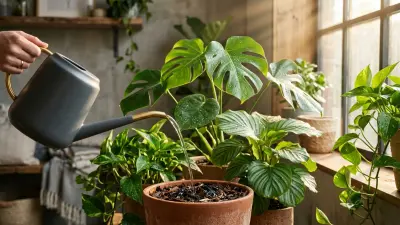
Let's be honest, watering is often the most confusing part of houseplant care. Too much, and your beloved leafy friend might drown. Too little, and it shrivels up. It's the number one reason plants struggle, even for experienced plant parents. But what if I told you there's a simple, reliable way to know exactly when and how much to water your houseplants? Here at Easy Houseplant Care, we believe keeping your plants vibrant shouldn’t feel like solving a complex puzzle. This guide is designed to empower you with the practical knowledge to nail your watering routine, ensuring your indoor jungle thrives with minimal effort.
The Golden Rule of Watering: Don't Water on a Schedule!
This might sound counter-intuitive, but ditching a rigid watering schedule is perhaps the most important piece of advice I can give you. Watering every Tuesday, for instance, ignores crucial factors like humidity levels, the season, your home's temperature, and even the type of pot your plant is in. These variables constantly change how quickly your plant's soil dries out, meaning a schedule is almost always a recipe for disaster, leading to either overwatering or underwatering.
Instead of the calendar, you need to learn to listen to your plant and, more importantly, its soil. This is where your senses become your best tools. Understanding your plant's unique needs is key to consistent success. Honestly, once you get the hang of this, you’ll feel like a true plant whisperer!
Reading Your Plant's Signals (and the Soil!)
The most reliable way to determine if your plant needs a drink is the "finger test." Simply stick your finger about two inches deep into the soil. If it feels dry, it's time to water. If it still feels moist, hold off. For smaller pots, even the top inch might be enough of a gauge. This tactile method gives you direct feedback on the soil's moisture level, which is far more accurate than any fixed schedule.
Beyond the soil, your plants offer visual cues. Wilting (when leaves droop and become limp) is a common sign of thirst in many plants like Peace Lilies or Pothos. However, be careful – wilting can also be a sign of overwatering, which is why checking the soil first is paramount! Other signs of thirst include crispy leaf edges, faded leaf color, or the soil pulling away from the sides of the pot. To make things even easier, especially for beginners, a moisture meter can be a fantastic investment. Just insert the probe into the soil, and it gives you a digital reading of the moisture level, taking out all the guesswork.
Understanding Your Plant's Needs: It's Not One-Size-Fits-All
Not all plants are created equal when it comes to hydration. Succulents and cacti, like a Snake Plant ('Laurentii') or ZZ Plant, prefer their soil to dry out completely between waterings. Tropical plants, such as a Monstera deliciosa or Pothos, generally prefer to be watered when the top 1-2 inches of soil are dry. Understanding your plant's natural habitat provides clues to its watering preferences.
The type of soil mix also plays a huge role. A well-draining soil mix is crucial for nearly all houseplants. This means a mix that allows excess water to flow through quickly, preventing the roots from sitting in soggy conditions. A good well-draining mix might contain components like perlite, orchid bark, or coco coir in addition to standard potting soil. For example, a common recipe is 50% potting mix, 30% perlite, and 20% orchid bark for many tropicals. Also, consider your pot material: terra cotta pots are porous and dry out faster, while plastic or glazed ceramic pots retain moisture longer.
How to Water Properly: The "Soak and Drain" Method
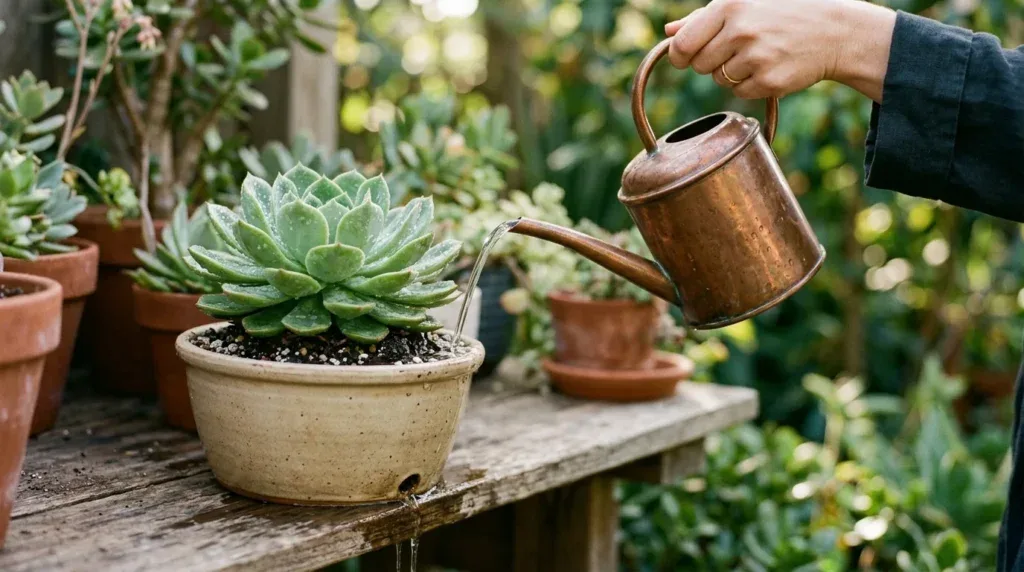
So far, we've covered when to water by checking the soil. Now let's get to the really critical point: how to water. The goal is to thoroughly saturate the entire root ball, then allow all excess water to escape. This is known as the "soak and drain" method, and it's essential for encouraging strong, healthy root development.
The Right Way to Pour
When you water, pour slowly and evenly over the surface of the soil until you see water draining freely from the drainage holes at the bottom of the pot. This ensures that water reaches all parts of the root system, not just the top layer. Once water starts to drain, let the pot sit for a few minutes to ensure complete saturation, then empty any standing water from the saucer. Leaving your plant sitting in standing water is a fast track to root rot! For example, imagine this situation: you just pour a small amount of water, enough to wet the top inch of soil. The plant's roots, which are deeper down, never get a drink, and you're essentially just encouraging shallow root growth, making the plant less resilient.
Thorough watering also helps to flush out mineral salts that can build up in the soil over time from fertilizers and tap water. These salt accumulations can burn roots and inhibit nutrient uptake, so a good flush every now and then is like a mini detox for your plant.
What Water to Use?
For most houseplants, regular tap water is perfectly fine. However, some sensitive plants, like Calathea orbifolia or Prayer Plants, can be particular about chemicals like chlorine and chloramine found in tap water. If your tap water is heavily chlorinated, you can let it sit out in an open container for 24-48 hours before using it; this allows the chlorine to dissipate. Rainwater or distilled water are excellent alternatives if you have particularly sensitive plants or very hard tap water, but for the average houseplant, it's usually not necessary.
The Best Time to Water
The ideal time to water your houseplants is in the morning. This gives the plant all day to absorb the water and allows any excess moisture on the leaves or soil surface to evaporate before nightfall. Watering at night can sometimes leave plants sitting in damp conditions for too long, potentially encouraging fungal issues, especially if your home is cool and humid.
Common Watering Mistakes and How to Fix Them
Even with the best intentions, mistakes happen. The good news is, most watering woes are reversible if caught early. Understanding these pitfalls will help you avoid them in the first place.
Overwatering: The Silent Killer
Overwatering is, in my opinion, the most common houseplant killer. It's not about giving too much water at once, but watering too frequently when the soil hasn't had a chance to dry out. Symptoms include yellowing leaves, mushy stems, stunted growth, and worst of all, root rot. Root rot occurs when roots sit in waterlogged soil, depriving them of oxygen and causing them to decay. The best prevention is always the finger test and ensuring excellent drainage. If you suspect root rot, gently remove the plant from its pot, inspect the roots (healthy roots are firm and white; rotted roots are brown, black, and mushy), trim away any diseased parts, and repot into fresh, well-draining soil, holding off on watering for a few days.
Underwatering: A Thirsty Problem
While less fatal than overwatering in the short term, consistent underwatering will also lead to plant decline. Symptoms include wilting, crispy or brown leaf edges, and the entire plant looking generally unhappy and deflated. The soil will often be rock hard and pull away from the pot sides. But what if your plant is severely wilted and the soil is bone dry? Don't panic! A thorough bottom watering can often revive it. Place the pot in a sink or tray filled with 2-3 inches of water and let it soak for 30-60 minutes, allowing the plant to absorb water from the drainage holes until the topsoil feels moist. This method ensures deep saturation and is a lifesaver for very thirsty plants.
Ignoring Drainage
This cannot be stressed enough: always use pots with drainage holes! A pot without drainage is essentially a death trap for your plant's roots. If you love a decorative cachepot (a pot without drainage), simply keep your plant in its nursery pot with drainage holes and place it inside the cachepot. This allows you to easily remove the plant for watering and ensures no excess water sits around the roots.
Advanced Watering Hacks & Tools for Easy Care
Ready to take your watering game to the next level? These tips and tools can simplify your routine and improve plant health.
Bottom Watering for the Win
We touched on this for emergency revivals, but bottom watering is also a fantastic regular watering method, especially for plants prone to fungus gnats or those with dense foliage like African Violets that don't like water on their leaves. By allowing the plant to soak up water from the bottom, you encourage deeper root growth and ensure even soil saturation, reducing the risk of soggy topsoil and pests.
Self-Watering Pots & Wicks
For busy plant parents or those who travel frequently, self-watering pots can be a game-changer. These pots typically have a reservoir at the bottom and a wicking system that draws water up into the soil as needed. They provide consistent moisture without the risk of overwatering, making them perfect for plants that prefer constantly moist (but not soggy) soil, or for adding a layer of convenience to your routine. Just make sure to periodically flush the soil from the top to prevent salt buildup.
Essential Watering Tools
- Long-spout watering can: Essential for reaching under foliage and watering precisely at the soil line without splashing leaves.
- Moisture meter: As mentioned, a fantastic tool for taking the guesswork out of the finger test, especially for beginners.
- Spray bottle/mister: While not for watering, a mister is great for increasing humidity for tropical plants. Remember, misting is for humidity, not for hydrating the soil!
What to Do This Week: Your Watering Action Plan
Ready to put this knowledge into action? Here’s your simple checklist:
- Gather your tools: Grab a watering can and, if you have one, a moisture meter.
- Inspect all your plants: Go plant by plant, performing the finger test on each one.
- Water thoroughly (and only) when needed: For those that feel dry 1-2 inches down (or completely dry for succulents), water using the "soak and drain" method until water runs from the bottom.
- Empty saucers: Never let your plants sit in standing water.
- Observe and learn: Pay attention to how quickly each plant's soil dries out. This will help you anticipate their needs in the future.
Mastering houseplant watering isn't about having a green thumb; it's about understanding a few fundamental principles and paying attention to your plants. By following these easy, actionable tips from Easy Houseplant Care, you'll gain the confidence to provide your indoor greenery with exactly what it needs to flourish. Soon, you'll be enjoying lush, vibrant plants that not only survive but truly thrive, adding beauty and life to your home with minimal fuss.