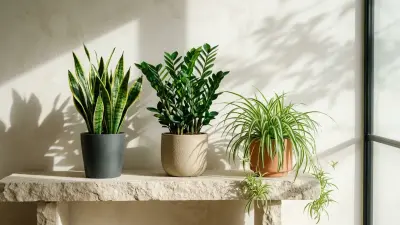
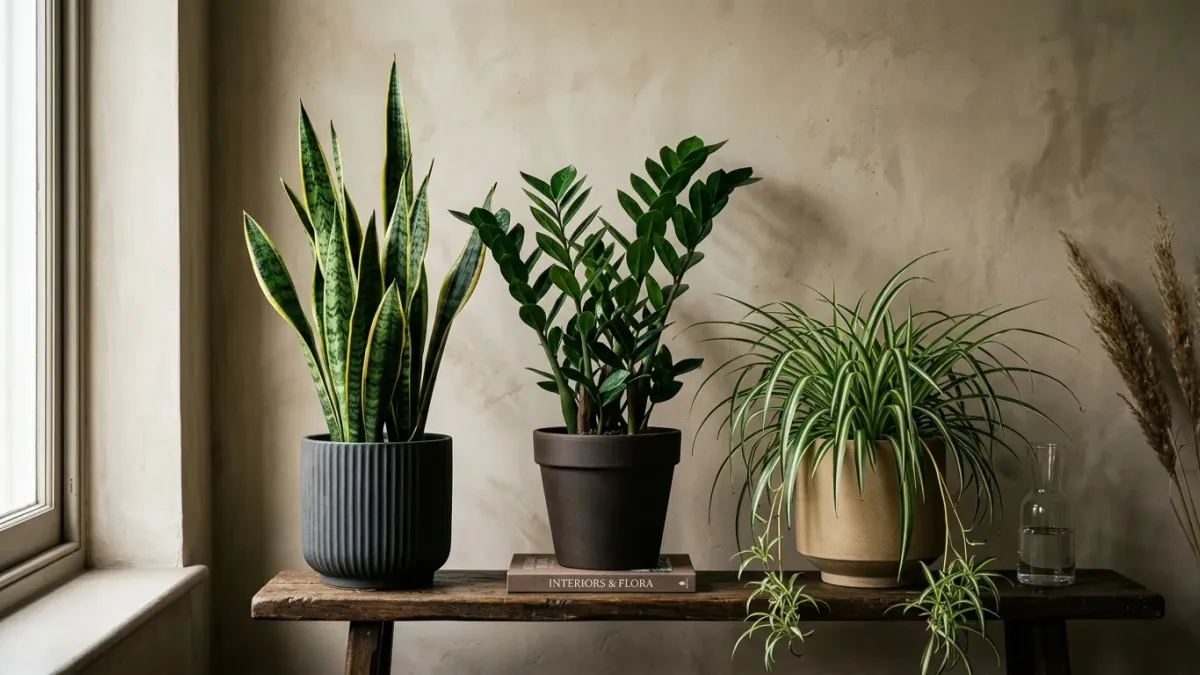
Embarking on your houseplant journey can feel exciting, but also a little daunting. With so many beautiful options, how do you choose the right plant to start with? You want something resilient, beautiful, and forgiving – a plant that will boost your confidence, not break your spirit. That’s why we often recommend three champions of easy care: the Snake Plant, the ZZ Plant, and the Spider Plant.
These aren't just pretty faces; they're the easyhouseplantcare.com seal of approval for beginners. But which one is the perfect fit for your space and lifestyle? Let’s dive into an unbiased comparison, pitting these green titans against each other to help you make the best choice.
The Unkillable Trio: Why These Three Reign Supreme
Before we get into the nitty-gritty, let's briefly introduce our contenders. These plants have earned their "easy care" reputation for good reason: they tolerate a wide range of conditions and bounce back from most beginner mistakes. They truly are the ideal foundation for any aspiring plant parent.
Snake Plant (Sansevieria trifasciata)
The Snake Plant, also known as Mother-in-Law's Tongue, is an icon of resilience. With its stiff, upright, sword-like leaves, often variegated with striking patterns, it brings a modern, architectural feel to any room. It's famous for its ability to purify the air and its incredible tolerance for neglect. If you're someone who occasionally forgets to water, this plant will still stand tall and proud.
ZZ Plant (Zamioculcas zamiifolia)
The ZZ Plant, with its glossy, dark green, waxy leaves arranged along thick, upright stems, exudes a sophisticated, almost artificial perfection. Its nickname, "Eternity Plant," gives you a clue about its legendary durability. The ZZ Plant is arguably the most drought-tolerant houseplant out there, storing water in its thick rhizomes (underground stems that store water and nutrients, allowing the plant to survive long dry periods). It thrives on being ignored.
Spider Plant (Chlorophytum comosum)
The classic Spider Plant is beloved for its arching, strap-like leaves, often variegated with white or cream stripes, and its charming "spiderettes" or plantlets that dangle from its stems like tiny baby spiders. It has a cheerful, retro vibe and is one of the easiest plants to propagate. If you love the idea of sharing your plant babies with friends, the Spider Plant is your go-to.
Head-to-Head: Care Requirements Compared
This is where the rubber meets the road. While all three are low-maintenance, their specific preferences differ. Understanding these will help you match a plant to your home's conditions.
Light Needs
Snake Plant: These plants are incredibly adaptable. They will tolerate low light conditions, making them perfect for dimly lit corners or bathrooms. However, for optimal growth and the most vibrant leaf patterns, they prefer bright indirect light – meaning a spot near a window that gets plenty of light but no direct sunbeams hitting the leaves, which can scorch them. Honestly, a few feet away from an east or west-facing window is often ideal.
ZZ Plant: The ZZ Plant truly shines in low light. It's one of the few houseplants that can genuinely thrive in a dim office or a room with minimal natural light. While it can also handle medium to bright indirect light, too much direct sun can scorch its leaves. If you have a notoriously dark corner that you want to green up, the ZZ Plant is your champion.
Spider Plant: Spider Plants are happiest in bright indirect light. They enjoy a good amount of light but, like the Snake Plant, can get scorched by direct afternoon sun. Medium light conditions are also acceptable, but too little light will result in fewer plantlets and duller variegation. Think of a spot near a north or east-facing window, or a few feet from a south or west-facing window.
Watering Wisdom
This is perhaps the most critical difference and the number one killer of beginner houseplants. Understanding when and how much to water is paramount.
Snake Plant: Less is definitely more with Snake Plants. They are highly drought-tolerant and prone to root rot if overwatered. You should only water when the soil is completely dry, typically every 2-4 weeks, depending on light and temperature. When you do water, water thoroughly until it drains from the bottom, then empty any excess water from the saucer. A moisture meter can be a lifesaver here, ensuring the soil is dry down to the bottom of the pot.
ZZ Plant: If the Snake Plant is drought-tolerant, the ZZ Plant is practically a camel. Thanks to its water-storing rhizomes, it can go for extended periods without water. Seriously, I've seen ZZ Plants thrive after being forgotten for months. Water only when the soil is completely dry, and then some – waiting an extra week after it feels dry won't hurt. Overwatering is its absolute enemy. Watering every 3-6 weeks is a good general guideline, but always check the soil.
Spider Plant: Unlike its desert-loving counterparts, the Spider Plant prefers consistent moisture, though it still hates soggy feet. Water when the top 1-2 inches of soil feel dry. This might be every 7-10 days in warmer, brighter conditions, or less frequently in cooler, dimmer spots. Always ensure excellent drainage. To be fair, they are more forgiving than many plants about a missed watering, but they won't thrive on extreme neglect like the Snake or ZZ.
Soil & Fertilizer
Snake Plant: A well-draining soil mix is crucial. A standard potting mix amended with extra perlite or coarse sand (think a 2:1 ratio of potting mix to perlite) works wonders. Fertilize sparingly; a balanced liquid fertilizer (like a 10-10-10 or 20-20-20 diluted to half strength) once every 2-4 months during the spring and summer growing season is plenty.
ZZ Plant: Just like Snake Plants, ZZ Plants demand excellent drainage to prevent root rot. A cacti or succulent potting mix, or a standard potting mix with extra perlite (e.g., 60% potting mix, 40% perlite), is ideal. Fertilize even less often than Snake Plants – perhaps once or twice during the spring/summer growing season with a diluted balanced liquid fertilizer. They are not heavy feeders.
Spider Plant: A good quality, general-purpose potting mix that drains well is usually sufficient. They don't need anything too specialized. During the growing season (spring through fall), fertilize every 2-4 weeks with a balanced liquid houseplant fertilizer diluted to half strength. They appreciate a bit more regular feeding than the Snake or ZZ plants.
Growth Habits, Propagation, and Aesthetics
Beyond the basics, how do these plants grow, how easy are they to multiply, and what kind of visual statement do they make?
Size and Growth
Snake Plant: These plants grow primarily vertically, reaching heights from 6 inches to several feet depending on the variety (e.g., 'Laurentii' can get quite tall, while 'Hahnii' is a compact bird's nest type). They grow by sending up new leaves from their rhizomes, creating a dense clump over time. They are relatively slow growers but incredibly consistent.
ZZ Plant: ZZ Plants grow into a bushy, upright form, typically reaching 2-3 feet tall and wide indoors. New stems emerge from the rhizomes underground, unfurling glossy leaves that gradually darken from bright green to deep emerald. They are slow to moderate growers, unfurling new stems periodically.
Spider Plant: Spider Plants have a more outward and cascading growth habit. Their long, arching leaves can spread 1-2 feet wide, and as they mature, they send out long stems (stolons) that bear tiny white flowers, which then develop into adorable plantlets. They are relatively fast growers, especially once established, and quickly fill out a hanging basket or shelf.
Propagation Power
This is where the Spider Plant really shines, especially for beginners!
Snake Plant: Can be propagated by dividing the rhizomes (cutting the root ball apart) or by taking leaf cuttings. Leaf cuttings are slower but effective: cut a healthy leaf into 2-4 inch sections, let them callus for a few days, then place them upright in moist soil or water. The variegated varieties propagated from leaf cuttings will often lose their variegation.
ZZ Plant: Propagating a ZZ Plant is possible but takes patience. You can divide the rhizomes or take stem cuttings. For stem cuttings, simply cut a stem at the base, remove the lower leaves, and place it in water or moist soil. It can take months for roots to form and even longer for a new rhizome to develop. It's a test of patience!
Spider Plant: The undisputed champion of easy propagation! The spiderettes (baby plants) that grow on the ends of their stems are ready-made clones. Simply snip them off, place them in a glass of water, and watch roots appear within a week or two. Once rooted, they can be planted in soil. For example, imagine this situation: you have a friend who's always admired your Spider Plant. With these plantlets, you can easily share the joy of plant parenthood with minimal effort!
Visual Appeal & Placement
Snake Plant: Excellent for minimalist, modern, or industrial decor. Their upright form makes them perfect for tight spaces, corners, or as a striking floor plant. They also look fantastic in a cluster of varying heights. They are a statement piece that demands attention without being fussy.
ZZ Plant: Its dark green, waxy foliage gives it a sleek, sophisticated look that complements contemporary decor beautifully. Ideal for offices, living rooms, or any spot where you want a substantial green presence without the hassle. It can handle being tucked away in a dimmer corner and still look fantastic.
Spider Plant: Best for adding a touch of classic greenery, especially when allowed to cascade from a shelf, mantelpiece, or in a hanging basket. Its playful plantlets add movement and a whimsical touch. It's a fantastic choice for kitchens, bathrooms, or anywhere you want a cheerful, abundant plant.

Common Challenges & The Best Fit For You
Even the easiest plants can face issues. Knowing what to look out for can save your plant.
Troubleshooting
- Snake Plant: The most common problem is overwatering, leading to mushy, yellowing leaves and root rot. If leaves are crispy at the tips, it might be due to underwatering or very dry air.
- ZZ Plant: Almost exclusively suffers from overwatering, causing yellow leaves and soft, rotting stems. If the plant looks shriveled and unhappy, it’s usually severe underwatering, but this is rare.
- Spider Plant: brown leaf tips are a frequent complaint, often caused by fluoride or chlorine in tap water, low humidity, or inconsistent watering. Pale or scorched leaves indicate too much direct sun.
Who Wins? Choosing Your Champion
So, after all this comparison, which plant should you choose? It really comes down to your lifestyle and what you prioritize:
- Choose the Snake Plant if: You want a sculptural, upright plant that can tolerate extreme neglect and low light. You appreciate a modern aesthetic and want something that literally thrives on being forgotten for weeks at a time. It’s also great for air purification.
- Choose the ZZ Plant if: You are the ultimate plant forgetter, travel frequently, or have a truly low-light space where other plants struggle. You desire a sleek, sophisticated plant that asks for virtually nothing.
- Choose the Spider Plant if: You enjoy a classic, cheerful plant, love the idea of easy propagation, and have a spot with bright indirect light where it can cascade. You don't mind watering a bit more frequently than the other two, but still want something robust.
Common Mistakes to Avoid with All Three
The biggest mistake with all three of these plants is overwatering. It's truly the most common cause of their demise. Always check the soil moisture before watering, especially for Snake and ZZ Plants. Another common pitfall is placing them in extremely low light while also overwatering – this is a recipe for disaster, as the plant uses less water in dim conditions.
Quick "What to Do This Week" Takeaway
If you're still deciding, consider the light levels in your intended spot. If it's a very dim corner, lean towards the ZZ. If you have a bright, indirect spot, a Spider Plant will flourish. If you're truly unsure about your watering habits, the Snake Plant or ZZ Plant will be the most forgiving.
Ultimately, all three of these plants are fantastic choices for beginners and seasoned plant parents alike. They offer beauty, resilience, and a rewarding experience with minimal effort. Don't feel you have to pick just one! Many plant parents, myself included, have all three happily coexisting in their homes. Start with the one that calls to you most, and you'll be well on your way to a thriving indoor jungle. Happy planting!