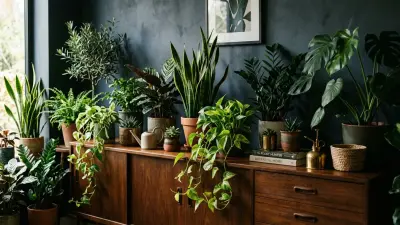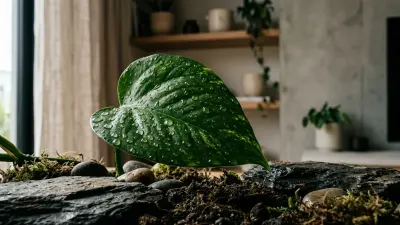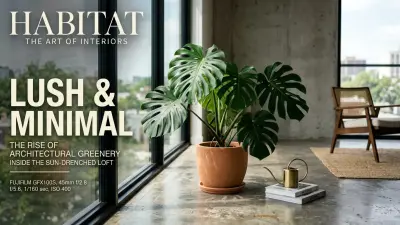

Stepping into a home brimming with vibrant, lush greenery isn't just a pretty picture – it's an experience. houseplants do more than just add aesthetic appeal; they actively purify our air, boost our mood, and even increase productivity. Yet, for many aspiring plant parents, the journey often begins with a fundamental question: "Where do I even start?"
I've been there myself, staring at rows of beautiful plants, feeling a mix of excitement and apprehension. The sheer variety can be overwhelming, and the fear of choosing a plant that won't thrive in your home is real. But here's a secret from an experienced urban horticulturist: success in houseplant parenting starts with choosing the right plants – those forgiving, resilient beauties that practically teach you how to care for them. This guide cuts through the confusion, offering a hand-picked list of the top 10 houseplants that are perfect for both total beginners and those looking to expand their green collection with minimal fuss. Get ready to transform your indoor space into a thriving oasis!
Why Start with Easy-Care Houseplants?
Before we dive into our fantastic ten, let's talk about why starting with low-maintenance plants is a game-changer. For new plant parents, the learning curve can be steep. Understanding nuances like different light requirements, watering frequencies, and humidity levels can feel like learning a new language. Beginning with resilient plants allows you to build confidence, observe plant behavior, and learn the basics without the pressure of a demanding plant.
These "beginner-friendly" plants are often forgiving of missed waterings, less than ideal light conditions, and even a bit of neglect. They are excellent teachers, showing clear signs when they need something, which helps you quickly learn to respond. This approach minimizes the common frustrations associated with plant care, turning what could be a chore into a genuinely rewarding hobby. Plus, who doesn't love a thriving plant that asks for little in return?

The Top 10 Houseplants for Your Indoor Oasis
Here are my top recommendations for houseplants that combine beauty with remarkable resilience, making them perfect companions for any indoor space.
1. Snake Plant (Sansevieria trifasciata)
The Snake Plant, also known as Mother-in-Law's Tongue, is virtually indestructible. It's an architectural marvel with stiff, upright leaves, and it's celebrated for its air-purifying qualities and extreme tolerance to neglect. I often joke that you have to actively try to kill a snake plant!
- Why it's great: Unfussy about light, highly drought-tolerant, excellent air purifier.
- Light: Thrives in almost any light condition, from low light to bright indirect light. However, it will grow faster and produce more vibrant variegation in brighter conditions. Avoid direct, intense afternoon sun which can scorch the leaves.
- Watering: The golden rule for Snake Plants is to underwater rather than overwater. Allow the soil to dry out completely between waterings, typically every 2-4 weeks. In winter, reduce watering significantly to once a month or less.
- Soil: A well-draining potting mix is crucial to prevent root rot. A good blend would be a standard cactus/succulent mix or a regular potting mix amended with extra perlite (e.g., 70% potting mix, 30% perlite).
- Pro-Tip: Yellowing, mushy leaves are a sign of overwatering. If you see this, stop watering and check if the soil is waterlogged.
2. ZZ Plant (Zamioculcas zamiifolia)
The ZZ Plant is another powerhouse of resilience, known for its waxy, dark green leaves and ability to store water in its thick rhizomes (underground stems). It's a fantastic choice for dimly lit corners where other plants struggle.
- Why it's great: Extremely tolerant of low light and infrequent watering, highly drought-resistant.
- Light: Prefers medium to low indirect light but can tolerate very low light conditions. Bright indirect light will encourage faster growth, but direct sunlight can scorch its leaves.
- Watering: Water thoroughly only when the soil is completely dry, which could be every 3-4 weeks or even longer, especially in lower light conditions or during winter. It's better to let it dry out for an extra week than to overwater.
- Soil: Needs a well-draining potting mix. A succulent or cactus blend works well, or a regular potting mix with added perlite and some orchid bark for extra aeration.
- Pro-Tip: If you forget to water your ZZ Plant for a month or two, it will likely be just fine! This is one of the most forgiving plants out there.
3. Pothos (Epipremnum aureum)
Pothos is the quintessential beginner plant, famous for its trailing vines and heart-shaped leaves that come in various shades of green, yellow, and white variegation. It's incredibly versatile, looking great in hanging baskets or climbing on shelves.
- Why it's great: Adaptable to various light conditions, forgiving of missed waterings, easy to propagate.
- Light: Tolerates low to medium indirect light but truly thrives in bright indirect light, which encourages more vibrant variegation. Direct sun can burn the leaves.
- Watering: Water when the top 2-3 inches of soil feel dry to the touch. Pothos will often tell you it's thirsty by slightly drooping its leaves. Aim for every 7-10 days, adjusting for light and temperature.
- Soil: A standard well-draining indoor potting mix is perfect.
- Pro-Tip: Pothos is one of the easiest plants to propagate! Simply cut a vine below a node (where a leaf attaches) and place it in water. Roots will form in a few weeks.
4. Spider Plant (Chlorophytum comosum)
With its arching foliage and adorable "spiderettes" (baby plants) that dangle from the mother plant, the Spider Plant is a charming addition to any home. It's also renowned for its air-purifying capabilities.
- Why it's great: Easy to care for, produces "babies" for easy propagation, non-toxic to pets.
- Light: Prefers bright to medium indirect light. It can tolerate lower light but may produce fewer spiderettes and less vibrant variegation. Avoid direct sun.
- Watering: Water when the top inch of soil feels dry. They appreciate consistent moisture but don't like to sit in soggy soil. Typically, every 7 days, but check the soil first.
- Soil: A general-purpose indoor potting mix with good drainage works well.
- Pro-Tip: You can easily snip off the spiderettes and root them in water or directly in soil to create new plants!
5. Peace Lily (Spathiphyllum wallisii)
The Peace Lily is a classic for a reason: elegant white "flowers" (which are actually modified leaves called spathes) and glossy green foliage. It's a fantastic air purifier and has a dramatic way of telling you it needs water.
- Why it's great: Beautiful blooms, excellent air purifier, visibly droops when thirsty, making watering cues easy.
- Light: Prefers medium to low indirect light. Too much direct sun can scorch its leaves, and too little light may prevent it from flowering.
- Watering: Water when the top inch of soil feels dry, or when the plant starts to slightly droop. It will perk up quickly after a good drink. Typically every 7-10 days.
- Soil: A rich, well-draining potting mix that retains some moisture is ideal.
- Pro-Tip: If your Peace Lily isn't blooming, try moving it to a slightly brighter spot. Yellowing leaf tips can indicate overwatering or too much fertilizer.
6. Heartleaf Philodendron (Philodendron hederaceum)
The Heartleaf Philodendron is a close cousin to Pothos, offering similar low-maintenance care with beautiful, deep green, heart-shaped leaves. It's perfect for trailing from shelves or training to climb.
- Why it's great: Extremely tolerant, adaptable, fast-growing, and easy to propagate.
- Light: Thrives in medium to bright indirect light but can tolerate low light, though growth will be slower.
- Watering: Allow the top 1-2 inches of soil to dry out before watering again. Like Pothos, it will often show signs of thirst by slightly wilting.
- Soil: A standard, well-draining houseplant potting mix is sufficient.
- Pro-Tip: Regularly pinch back the tips of the vines to encourage bushier growth rather than long, leggy stems.
7. Succulents (e.g., Aloe Vera, Echeveria, Haworthia)
While not a single plant, the succulent family offers a vast array of shapes, sizes, and colors. Their ability to store water in their leaves makes them ideal for "forgetful" plant parents.
- Why it's great: Extremely drought-tolerant, compact, and visually diverse.
- Light: Most succulents require bright light, ideally 4-6 hours of direct sun or very bright indirect light daily. A south or west-facing window is often best.
- Watering: This is where most people go wrong. Water thoroughly only when the soil is completely dry, typically every 2-4 weeks. Reduce watering significantly in winter. The key is allowing them to dry out completely.
- Soil: A specialized cactus and succulent potting mix is essential for excellent drainage. You can also make your own by mixing potting soil with perlite and coarse sand (e.g., 50% potting mix, 30% perlite, 20% coarse sand).
- Pro-Tip: Etiolation (stretching out, becoming leggy) is a common sign that your succulent isn't getting enough light.
8. Monstera deliciosa (Young/Smaller Varieties)
While the mature Monstera deliciosa can grow quite large, younger plants are surprisingly easy to care for and bring that coveted "jungle vibe" with their iconic split leaves (fenestrations). Start with a smaller one to get a feel for its needs.
- Why it's great: Iconic, stylish foliage, relatively easy to care for once you understand its needs.
- Light: Prefers bright indirect light. Direct sun can scorch its leaves. It can tolerate medium light but may not develop its characteristic splits as readily.
- Watering: Water when the top 2-3 inches of soil are dry. Monsteras appreciate consistent moisture but absolutely hate soggy feet. Ensure good drainage.
- Soil: A chunky, well-draining aroid mix is ideal. Think standard potting mix amended with orchid bark, perlite, and a bit of coco coir (e.g., 40% potting mix, 30% orchid bark, 20% perlite, 10% coco coir).
- Pro-Tip: Give your Monstera something to climb, like a moss pole, to encourage larger leaves and better fenestrations as it matures.
9. Dracaena (Dracaena fragrans 'Janet Craig' or 'Lemon Lime')
Dracaena plants offer striking upright growth with sword-like leaves, perfect for adding vertical interest. Varieties like 'Janet Craig' or 'Lemon Lime' are particularly robust and adaptable to indoor conditions.
- Why it's great: Tolerant of lower light, attractive foliage, good air purifier.
- Light: Prefers medium to bright indirect light, but can tolerate lower light levels. Avoid direct sunlight, which can burn the leaves.
- Watering: Water when the top 2-3 inches of soil feel dry. Dracaenas are sensitive to fluoride and chlorine in tap water, so using filtered water or letting tap water sit out overnight is beneficial.
- Soil: A good quality, well-draining potting mix is suitable.
- Pro-Tip: Brown tips on the leaves can indicate low humidity or issues with water quality (fluoride/chlorine).
10. Prayer Plant (Maranta leuconeura)
While slightly more demanding than the ZZ or snake plant, the Prayer Plant is included because its stunning variegated foliage and unique habit of folding its leaves up at night (like hands in prayer) make it an incredibly rewarding plant for those ready for a gentle step up. It's still quite forgiving if you understand its basic needs.
- Why it's great: Beautiful, unique foliage, interesting leaf movement, compact size.
- Light: Prefers medium to bright indirect light. Direct sun will scorch its delicate leaves. Low light will cause leggy growth and dull colors.
- Watering: Keep the soil consistently moist but never soggy. Water when the top inch of soil is just starting to dry out. Prayer Plants are sensitive to tap water chemicals, so use distilled, filtered, or rainwater.
- Soil: A well-draining, slightly acidic potting mix that retains some moisture is ideal. Add peat moss or coco coir to a standard potting mix.
- Pro-Tip: High humidity is key for Prayer Plants. Group them with other plants, use a pebble tray, or invest in a small humidifier to prevent crispy leaf edges.
Essential Care Principles for Thriving Plants
No matter which plant you choose, a few foundational care principles will ensure your green friends flourish. Think of these as the universal truths of houseplant parenting.
Understanding Light Levels
Light is food for plants. Bright indirect light means a spot near a window (north or east-facing are often ideal) that receives plenty of light but no direct sunbeams hitting the leaves, which can scorch them. Think of the light an open sky provides, but not the direct glare of the sun. Medium light is a few feet away from a bright window or near a window that gets filtered light. Low light is typically an interior room or a corner far from a window, where you can still read a book comfortably during the day.
Observing your space throughout the day will help you identify these zones. Plants that aren't getting enough light may become "leggy" (stretched out with sparse leaves), while those getting too much might develop burnt spots or bleached-out foliage. Rotate your plants occasionally to ensure even growth.
The Art of Watering
Overwatering is the number one killer of houseplants. The goal is to water thoroughly when needed, then allow excess water to drain away. Always check the soil moisture before watering. Stick your finger two inches deep into the soil; if it feels dry, it's time to water. For smaller pots, you can lift the pot to feel its weight – dry soil is much lighter.
I highly recommend a simple moisture meter, like the Dr. Meter 3-in-1 Soil Tester, which provides reliable readings for moisture, light, and pH. When watering, pour water slowly over the soil surface until it drains out of the bottom of the pot. Ensure no standing water remains in the saucer, as this can lead to root rot – a silent but deadly killer where roots suffocate and decay. If you're already seeing mushy, blackened roots, our root rot recovery guide walks through the full rescue process.
Soil and Potting Basics
A well-draining soil mix is critical. This means the soil allows water to pass through easily, preventing waterlogging and ensuring adequate oxygen reaches the roots. Most houseplants thrive in a mix containing peat moss or coco coir for moisture retention, perlite or pumice for aeration, and sometimes orchid bark for chunkiness. For a general-purpose mix, a ratio of 60% high-quality potting mix to 40% perlite works wonders.
Repotting is generally needed every 1-2 years or when you see roots growing out of the drainage holes. When repotting, choose a pot only one size larger than the current one (e.g., from a 6-inch to an 8-inch pot) to avoid excess soil holding too much moisture and overwhelming the plant's root system.
Fertilizing for Growth
Houseplants use nutrients from the soil to grow. Over time, these nutrients deplete. Fertilize your plants during their active growing season (typically spring and summer) every 4-6 weeks. A balanced liquid fertilizer, like a 10-10-10 (meaning 10% Nitrogen, 10% Phosphorus, 10% Potassium), diluted to half strength, is a safe bet for most plants. Always apply fertilizer to moist soil to prevent root burn.

Common Mistakes to Avoid
Even seasoned plant parents can slip up. Being aware of these common pitfalls can save you a lot of grief (and plants!):
- Overwatering: As mentioned, it's the most common mistake. Always check the soil before watering. When in doubt, wait another day.
- Lack of Drainage: Always use pots with drainage holes! Decorative pots without holes are fine if you use them as cachepots (a pot to hold your plant in its nursery pot), allowing you to remove the plant for watering and drain thoroughly.
- Ignoring Humidity: Many tropical houseplants love humidity. Our indoor environments can be very dry, especially with heating/AC. Grouping plants, using pebble trays, or a small humidifier can make a big difference for plants like Prayer Plants.
- Placing Plants Near Drafts or Vents: Sudden temperature fluctuations or constant blasts of hot/cold air can stress plants, leading to leaf drop or brown edges.
- Not Inspecting for Pests: Regularly check the undersides of leaves and stems for tiny insects. Catching pests early (like spider mites, mealybugs, or thrips) can save your plant from a full-blown infestation. A simple solution of diluted neem oil spray (following product instructions) can be a great preventative and treatment.
Your Journey to a Thriving Indoor Jungle Starts Now!
Bringing greenery into your home shouldn't be a source of stress; it should be a source of joy. By starting with these forgiving, resilient houseplants and applying these fundamental care principles, you're setting yourself up for success. You'll quickly learn to read your plants, understand their subtle cues, and develop that intuitive "green thumb" everyone talks about.
So, what to do this week? Take a moment to assess the light conditions in your favorite rooms. Identify potential spots for your new green companions. Then, head to your local nursery or browse online for one (or two!) of the magnificent 10 plants we've discussed. Don't be afraid to ask for advice from nursery staff, and most importantly, enjoy the process of nurturing life. Happy planting!