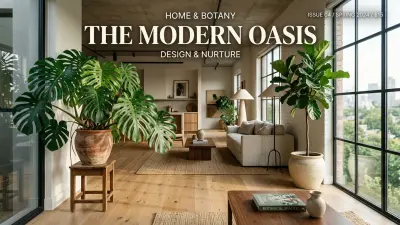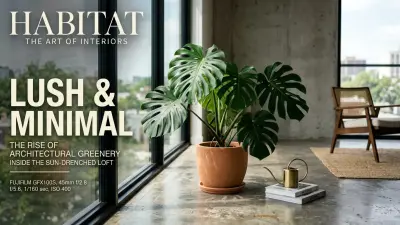
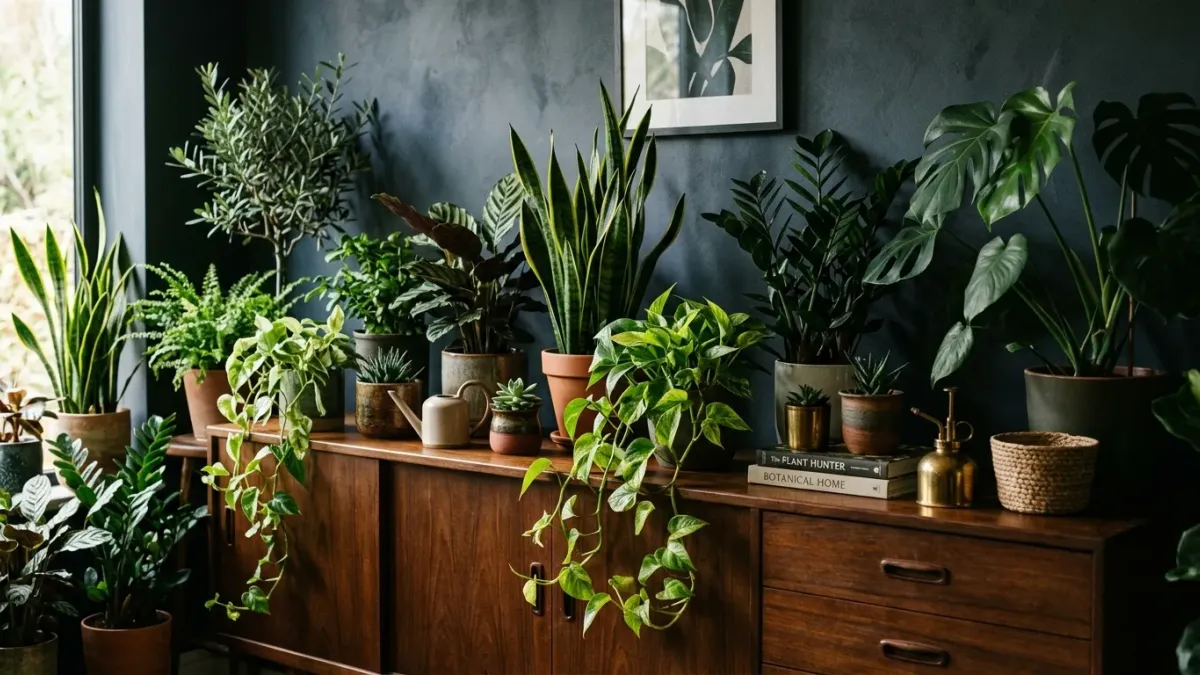
Stepping into the world of indoor gardening can feel a bit overwhelming with endless choices, but there’s a reason certain plants consistently top the popularity charts year after year. These green superstars aren't just beautiful; they’re often incredibly adaptable and forgiving, making them perfect companions for both seasoned plant parents and those just starting their journey. If you're looking to fill your home with vibrant, easy-to-care-for greenery, you've come to the right place.
Why These 10 Houseplants Reign Supreme
Why do some plants become household names while others remain niche favorites? It boils down to a blend of resilience, aesthetic appeal, and straightforward care. Our top 10 list focuses on plants that have proven their mettle in a variety of indoor environments, offering consistent beauty without demanding complicated routines.
The Allure of Popularity
There's a certain comfort in choosing a popular houseplant. It means countless others have successfully grown it, and there's a wealth of information and support available. These plants often thrive in average home conditions, making them ideal for apartment dwellers, office workers, and anyone craving a touch of nature indoors without the fuss. When you pick a well-loved plant, you're essentially choosing a tried-and-true winner.
Criteria for Our Top Picks
When curating this list for Easy Houseplant Care, I focused on several key factors. First and foremost was ease of care – we want thriving plants, not plant-parent stress! We also considered their aesthetic appeal, their ability to adapt to different light and watering conditions, and their general availability in nurseries and stores. These aren't just plants that look good on Instagram; they're plants that will actually look good in your home with minimal effort.
Meet Your New Green Companions: The Top 10 List
Let's dive into the stars of the indoor plant world. Each of these plants brings its own unique charm and an excellent track record for making homes happier and greener.
1. Snake Plant (Sansevieria trifasciata)
Often called Mother-in-Law's Tongue, the Snake Plant is practically indestructible. Its architectural, upright leaves come in various shades of green, often variegated with yellow or white. It tolerates a wide range of conditions, from low light to bright indirect light, and prefers to dry out completely between waterings. Honestly, you almost have to try to kill this plant.
- Light: Low to bright indirect light.
- Water: Water only when soil is completely dry. Less is more!
- Soil: Well-draining potting mix (e.g., standard potting mix with added perlite or sand).
- Why it's popular: Extremely forgiving, air-purifying, stylish.
2. ZZ Plant (Zamioculcas zamiifolia)
The ZZ Plant is another champion of neglect, known for its waxy, deep green leaves that grow in an elegant, upright manner. It's incredibly drought-tolerant thanks to its rhizomes (underground stems that store water). Like the snake plant, it thrives on being ignored.
- Light: Low to medium indirect light. Tolerates very low light, but grows faster in brighter conditions.
- Water: Allow soil to dry out completely between waterings, then wait a few more days.
- Soil: Well-draining potting mix.
- Why it's popular: Nearly impossible to kill, very low maintenance, sleek appearance.
3. Pothos (Epipremnum aureum)
A true classic, Pothos comes in many beautiful varieties like 'Golden,' 'Marble Queen,' and 'Neon.' Its vining habit makes it perfect for hanging baskets or trailing from shelves. Pothos is one of the easiest plants to propagate, making it a favorite for sharing with friends.
- Light: Low to bright indirect light. Variegated varieties need brighter light to maintain their patterns.
- Water: Water when the top 2-3 inches of soil are dry. Leaves may droop slightly when thirsty.
- Soil: Standard well-draining potting mix.
- Why it's popular: Very versatile, easy to grow, beautiful trailing foliage, simple to propagate.
4. Spider Plant (Chlorophytum comosum)
With its arching leaves and adorable "spiderettes" (baby plants) that dangle from the mother plant, the Spider Plant is a charming and prolific grower. It's also known for being an excellent air purifier and is completely pet-friendly, which is a huge bonus for many homes.
- Light: Medium to bright indirect light. Avoid direct sun.
- Water: Keep soil consistently moist but not waterlogged. Allow the top inch to dry out.
- Soil: Well-draining potting mix.
- Why it's popular: Easy to care for, produces "babies" for propagation, pet-friendly, air-purifying.
5. Monstera Deliciosa (Swiss Cheese Plant)
The Monstera Deliciosa has taken the plant world by storm with its iconic, fenestrated (holey) leaves. This tropical beauty adds an instant jungle vibe and can grow quite large with proper support. It requires a bit more attention than a ZZ plant but rewards you with stunning foliage.
- Light: Bright indirect light. Can tolerate medium light but fenestrations might be less pronounced.
- Water: Water when the top 2-3 inches of soil are dry.
- Soil: Chunky, well-draining mix (e.g., 50% potting mix, 30% perlite, 20% orchid bark).
- Why it's popular: Striking foliage, trendy, tropical aesthetic.
6. Peace Lily (Spathiphyllum spp.)
The elegant Peace Lily is loved for its glossy green leaves and distinctive white "flowers" (actually modified leaves called spathes). It's a fantastic plant for telling you exactly when it's thirsty by dramatically drooping its leaves – a clear signal that it needs a drink!
- Light: Low to medium indirect light.
- Water: Keep soil consistently moist. Water when the top inch of soil feels dry or when leaves start to droop.
- Soil: Standard well-draining potting mix.
- Why it's popular: Graceful appearance, easy to read for watering, purifies air, can flower indoors.
7. Fiddle Leaf Fig (Ficus lyrata)
With its large, violin-shaped leaves, the Fiddle Leaf Fig is a statement plant that brings significant impact to any room. It has a reputation for being finicky, but honestly, with consistent care and the right spot, it can truly thrive. The key is finding a happy medium and sticking to it.
- Light: Bright indirect light, ideally near a south or west-facing window.
- Water: Water thoroughly when the top 2-3 inches of soil are dry. Avoid overwatering.
- Soil: Well-draining potting mix.
- Why it's popular: High impact, architectural beauty, a true focal point.
8. Aloe Vera (Aloe barbadensis miller)
Not just a pretty succulent, Aloe Vera is also incredibly practical! The gel inside its thick, fleshy leaves can be used for soothing minor burns and skin irritations. It's a super low-maintenance plant that enjoys plenty of light.
- Light: Bright indirect to direct sunlight.
- Water: Allow soil to dry out completely between waterings, then water deeply.
- Soil: Well-draining succulent or cactus mix.
- Why it's popular: Medicinal properties, extremely low maintenance, attractive succulent form.
9. Prayer Plant (Maranta leuconeura)
The Prayer Plant is a captivating choice with beautifully patterned leaves that fold upwards at night, resembling praying hands. This movement, called nyctinasty, is a unique feature. They prefer higher humidity, so grouping them with other plants or using a pebble tray can help.
- Light: Medium to low indirect light. Avoid direct sun, which can scorch leaves.
- Water: Keep soil consistently moist but not soggy. Use distilled or filtered water if possible.
- Soil: Standard well-draining potting mix.
- Why it's popular: Unique leaf patterns, fascinating leaf movement, adds color and texture.
10. Rubber Plant (Ficus elastica)
Another Ficus on our list, the Rubber Plant boasts large, glossy leaves that come in striking shades of green, burgundy, or variegated patterns. It's a robust plant that can grow into a small tree indoors, providing a strong vertical element to your decor. Regular wiping of its leaves keeps them shiny and dust-free.
- Light: Bright indirect light.
- Water: Water when the top 1-2 inches of soil are dry.
- Soil: Well-draining potting mix.
- Why it's popular: Bold, glossy foliage, can grow quite large, relatively easy to care for once settled.

Essential Care Tips for Your Popular Picks
Now that you've met the stars, let's talk general best practices. While each plant has specific needs, these overarching principles will set you up for success with any of your indoor plants.
Watering Wisdom: The Key to Success
The single most common mistake new plant parents make is overwatering. Most of the plants on this list prefer to dry out a bit between waterings. Instead of sticking to a rigid schedule, check the soil moisture. I recommend using a moisture meter – it’s a game-changer! Simply insert the probe into the soil, and it will tell you if your plant is thirsty. For example, imagine you have a Snake Plant and a Peace Lily. The snake plant will want the meter to read "dry" before watering, while the Peace Lily might prefer "moist" or "damp."
Lighting Up Their Lives: Finding the Right Spot
Understanding light requirements is crucial. "Bright indirect light" means a spot where the plant receives plenty of ambient light but no harsh, direct sun rays hitting its leaves for extended periods. Think a few feet away from a sunny window or near an east-facing window. Low light means they can tolerate dimmer conditions, but they won't necessarily thrive or grow quickly there. To be fair, even low-light tolerant plants appreciate a little brightness.
Soil & Potting: Setting the Foundation
A well-draining soil mix is vital for preventing root rot, especially for plants that prefer to dry out. This typically means a mix that allows water to pass through easily, preventing it from becoming waterlogged. A good blend often includes standard potting mix, perlite (to improve drainage and aeration), and sometimes bark for chunkiness. Always use pots with drainage holes – it's non-negotiable for healthy roots!
Feeding for Growth: When and How to Fertilize
Most popular houseplants benefit from fertilization during their active growing season (spring and summer). A balanced liquid fertilizer, like a 10-10-10 or 20-20-20, diluted to half strength, applied every 4-6 weeks, is usually sufficient. Remember, plants are not heavy feeders, and too much fertilizer can burn their roots. I've found that erring on the side of under-fertilizing is always safer than overdoing it.
Common Mistakes to Avoid with Popular Houseplants
Even with "easy" plants, missteps can happen. Knowing what to watch out for can save you a lot of heartache.
Here’s a quick overview of common pitfalls:
- Overwatering is the Enemy: We've said it before, but it bears repeating. Soggy soil suffocates roots and leads to rot. Always check the soil before watering!
- Neglecting Light Needs: While many tolerate lower light, neglecting a plant's true light preference can lead to leggy growth, pale leaves, or no new growth at all.
- Ignoring Pest Signals: Tiny webs, sticky residue, or distorted growth are all signs of pests. Catching them early with a simple neem oil spray can prevent a full-blown infestation.
- Forgetting to Repot: Plants can become "root-bound" if left in the same pot for too long, hindering growth. A general rule is to repot every 1-2 years or when you see roots growing out of the drainage holes.
Quick "What to Do This Week" Takeaway
To keep your popular houseplants happy and thriving:
- Check Soil Moisture: Use a moisture meter or your finger to check the top 2-3 inches of soil. Water only if needed, according to each plant's preference.
- Assess Lighting: Make sure your plants are getting the right amount of light. Are any leaves getting scorched? Or are they reaching desperately for a window? Adjust as needed.
- Wipe Leaves: Dust can block light absorption. Gently wipe leaves with a damp cloth for optimal photosynthesis and a shiny look.
- Inspect for Pests: A quick visual check for any unwelcome visitors can save you trouble down the line.
- Rotate Plants: Turn your plants 90 degrees each week to ensure even growth and light exposure on all sides.
Here’s a comparison table for a few of our top picks to help visualize their key care differences:
| Plant | Ideal Light | Watering Frequency | Special Feature/Tip |
|---|---|---|---|
| Snake Plant | Low to Bright Indirect | Completely dry out (approx. every 2-4 weeks) | Extremely drought-tolerant; good for beginners. |
| ZZ Plant | Low to Medium Indirect | Completely dry out + a few extra days (approx. every 3-5 weeks) | Stores water in rhizomes; thrives on neglect. |
| Pothos | Low to Bright Indirect | Top 2-3 inches dry (approx. every 7-10 days) | Vining habit; easy to propagate in water. |
| Monstera Deliciosa | Bright Indirect | Top 2-3 inches dry (approx. every 7-14 days) | Iconic fenestrated leaves; appreciates a moss pole. |
Frequently Asked Questions
Are these plants truly low-maintenance?
Yes, many of the plants on this list, like the Snake Plant and ZZ Plant, are considered extremely low-maintenance plants. They tolerate infrequent watering and a range of light conditions, making them ideal for busy lifestyles or those new to plant care.
Can I propagate these popular plants easily?
Absolutely! Most of these plants are quite easy to propagate. Pothos and Spider Plants readily root in water, while Snake Plants and ZZ Plants can be propagated from leaf or stem cuttings in soil or water, though they may take longer to root. For a full step-by-step walkthrough, see our water propagation guide.
What's the best pot for these plants?
The best pot is one with adequate drainage holes to prevent waterlogging. Terracotta pots are excellent for plants that prefer drier conditions as they allow the soil to breathe, while plastic pots retain moisture longer, which can be beneficial for plants needing consistent moisture.
There you have it – a comprehensive guide to the top 10 most popular houseplants that are poised to make your indoor spaces flourish in 2026 and beyond. Choosing one of these tried-and-true favorites is a fantastic way to introduce more green into your life without the stress. With a little understanding and consistent, simple care, you’ll be enjoying lush, vibrant greenery that makes your home feel more alive and inviting. Happy planting!