Quick answer: The most reliable low-maintenance houseplants include the Snake Plant, ZZ Plant, and Golden Pothos, which easily survive irregular watering and varied lighting. These species require dry-outs between waterings every 2 to 4 weeks and adapt seamlessly to typical home conditions (65–75°F / 18–24°C, 40–50% humidity), making them virtually unkillable for busy plant owners.
Understanding Low-Maintenance Indoor Plants
What makes a houseplant low-maintenance isn't magic—it comes down to evolutionary biology. Many resilient varieties originate from arid regions, rocky outcrops, or the dense understory of tropical forests. In these natural habitats, water is scarce, soil nutrients are minimal, and light levels fluctuate drastically. As a result, these species developed specialized survival mechanisms. Plants like succulents and rhizomatous species store water internally in thick leaves, bulbous stems, or underground root systems, allowing them to withstand weeks without a fresh pour.
For city dwellers and busy professionals, understanding these structural adaptations changes how you approach indoor gardening. Instead of adhering to strict, demanding schedules, you learn to trust the plant's built-in buffers. Low-maintenance species grow at a moderate pace, which means they outgrow their pots slowly and consume nutrients far less aggressively than high-energy blooming plants. Selecting forgiving low maintenance plants allows you to step away for a business trip or a two-week vacation without returning to a pot full of brown, crispy stems.
The single biggest mistake new indoor gardeners make with these species is over-care. Because these plants evolved to conserve resources, frequent watering and heavy fertilizing actually cause harm. Root systems left in constantly soggy soil quickly develop root rot, a fungal disease caused by anaerobic conditions that suffocates the plant's primary uptake pathways. Practicing a hands-off approach—letting the top layer of soil dry completely and applying fertilizer only once or twice a year—aligns perfectly with what these slow-and-steady growers actually want.
Top Unkillable Houseplant Varieties for Busy Schedules
If you want guaranteed success, starting with proven, resilient varieties is essential. The following plants have earned their reputation through decades of thriving in offices, low-light apartments, and homes with forgetful owners. Each offers distinct aesthetic features while sharing exceptional tolerance for neglect.
Snake Plant (Sansevieria trifasciata / Dracaena trifasciata)
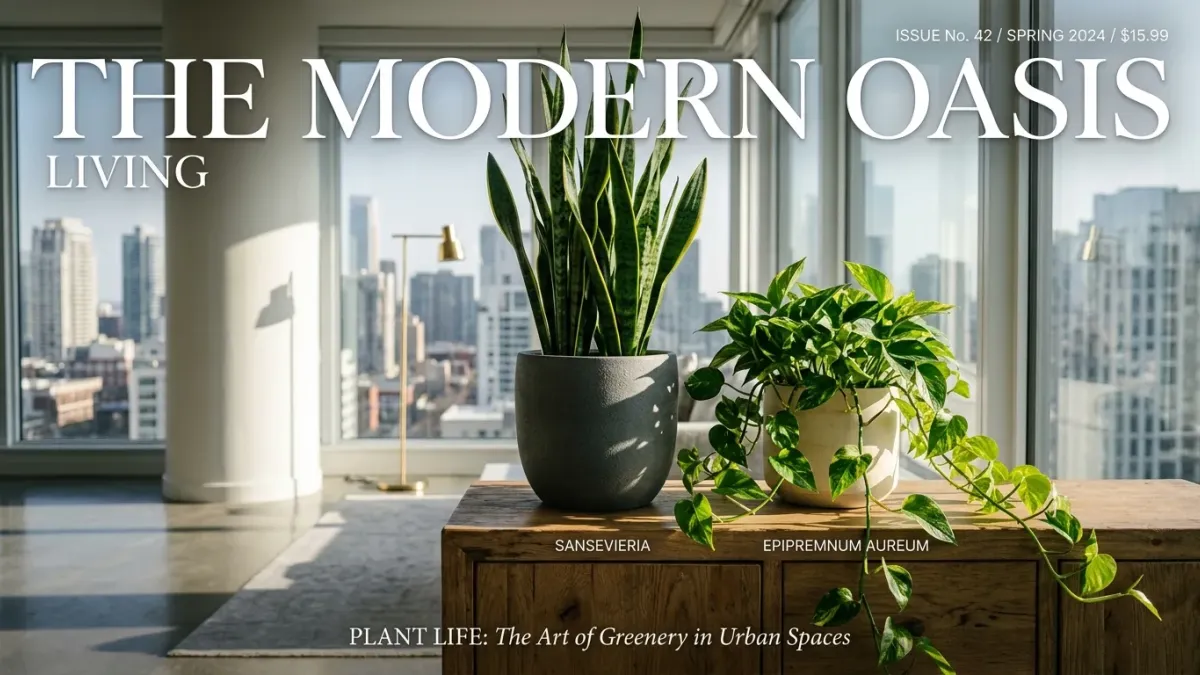
The snake plant, particularly popular varieties like 'Laurentii' with its yellow margins, is arguably the most resilient houseplant in existence. Featuring upright, sword-like leaves with stiff leather textures, this plant uses Crassulacean Acid Metabolism (CAM) photosynthesis, opening its pores at night to reduce water loss. It survives in ambient light conditions ranging from deep shade (as low as 50 foot-candles) to bright, direct sun. Water it thoroughly only when the entire pot of soil has completely dried out—typically every 3 to 4 weeks in average indoor environments.
ZZ Plant (Zamioculcas zamiifolia)
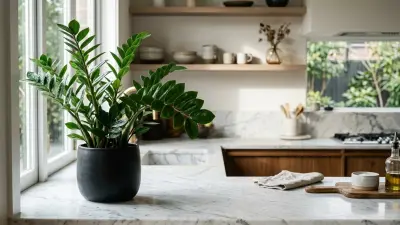
Boasting glossy, emerald-green leaflets along arching stems, the ZZ Plant looks as though it was polished by hand. Underground, it relies on large, potato-like tubers called rhizomes that retain water for extended droughts. It flourishes in low to medium indirect light (100 to 200 foot-candles) and tolerates relative humidity as low as 30%. Because its moisture storage is so efficient, overwatering is its primary threat. Always wait until the pot feels extremely light before soaking the soil, which usually translates to a watering interval of 20 to 30 days.
Golden Pothos (Epipremnum aureum)
For trailing vines that quickly spill over bookshelves or hanging baskets, Golden Pothos is unmatched. Its heart-shaped foliage displays streaks of creamy yellow, which stay vibrant in medium to bright indirect light (around 150 to 500 foot-candles), though it also survives lower light levels. Unlike structural plants, Pothos will visually signal its thirst: the leaves softy droop when moisture is depleted. Water when the top 2 inches (5 cm) of soil feel dry to the touch, roughly every 7 to 10 days. Trim trailing stems occasionally to encourage bushier growth.
Plant parent tip: If you ever see yellowing foliage combined with soft, squishy leaf bases on a Snake Plant or ZZ Plant, don't pour more water! That is a classic sign of root rot from persistent soil moisture, not dehydration. Immediately hold off on watering, move the pot to a bright area with good airflow, and allow the potting medium to dry completely down to the bottom drainage holes.
Essential Environmental Care Requirements
Even the toughest greenery requires a foundational setup to maintain long-term health. By establishing the right soil medium, light placement, and watering habits from day one, you reduce daily maintenance down to virtually zero. Low-maintenance care is entirely about proactive setup rather than reactive troubleshooting.
When potting these resilient species, standard out-of-the-bag potting soil holds too much water for too long. Instead, mix a custom substrate that mimics natural, fast-draining habitats. A dependable universal blend for easy-care plants consists of 50% standard peat or coconut coir potting mix, 30% perlite (for aeration and drainage), and 20% orchid bark (to prevent soil compaction). This structure ensures excess water drains immediately through bottom holes while keeping root zones properly oxygenated.
| Plant Species | Light Level (Foot-Candles) | Watering Frequency | Ideal Humidity & Temp | ASPCA Pet Toxicity |
|---|---|---|---|---|
| snake plant | 50 – 500+ fc (Low to Direct) | Every 3–4 weeks (Dry completely) | 30–50% / 60–85°F (15–29°C) | Toxic to Dogs & Cats |
| ZZ Plant | 75 – 250 fc (Low to Medium) | Every 3–4 weeks (Dry completely) | 30–50% / 65–75°F (18–24°C) | Toxic to Dogs & Cats |
| Golden Pothos | 100 – 500 fc (Medium to Bright Indirect) | Every 7–10 days (Top 2 in dry) | 40–60% / 65–80°F (18–27°C) | Toxic to Dogs & Cats |
| Spider Plant | 200 – 800 fc (Bright Indirect) | Every 7–12 days (Top 50% dry) | 40–60% / 55–75°F (13–24°C) | Non-Toxic to Dogs & Cats |
Lighting conditions govern how quickly a plant processes water and nutrients. Bright indirect light means placing a plant near an east- or west-facing window where it receives diffused sun without direct, scorching rays hitting the foliage. Medium light usually occurs 4 to 8 feet away from windows, while low light corresponds to windowless offices with fluorescent lighting or north-facing rooms. Adjust your watering routines down significantly during dark winter months when plant metabolism slows down naturally.
Common Mistakes to Avoid With Low-Maintenance Plants
While forgiving species tolerate occasional mistakes, repeated missteps will eventually degrade their appearance or lead to structural failure. Recognizing early symptoms helps you make quick, minor course corrections before serious damage occurs.
- Pottings Without Drainage: Always use pots with bottom drainage holes. Decorative cachepots without holes trap standing water at the base, guaranteeing root rot regardless of how infrequently you water.
- Over-Fertilizing: low-maintenance houseplants require minimal nutrients. Feeding them heavily leads to salt burn, characterized by brown, crispy foliage tips. Apply a balanced liquid synthetic or organic fertilizer (diluted to half-strength, NPK 10-10-10) only twice per year—once in spring and once in mid-summer.
- Ignoring Pest Outbreaks: Dense or dusty foliage attracts sap-sucking pests like mealybugs (appearing as white cottony spots) and spider mites (causing fine webbing under leaves). Wipe foliage down every few months with a damp cloth or spray with organic neem oil to protect plant surfaces.
- Repotting Too Frequently: Most slow-growing indoor species prefer staying slightly root-bound. Only step up pot size by 2 inches (5 cm) in diameter every 2 to 3 years when roots start aggressively emerging from bottom drainage holes.
Frequently Asked Questions
Can I leave these plants unattended when I go on vacation?
Yes, absolutely. Mature Snake Plants and ZZ Plants can go 3 to 4 weeks without water without showing stress. For vining plants like Pothos, give them a thorough soak right before leaving, ensure they sit out of direct sun, and they will easily endure 10 to 14 days without assistance.
What are the best non-toxic low-maintenance options for pet owners?
If you have curious cats or dogs, choose the Spider Plant (Chlorophytum comosum) or Cast Iron Plant (Aspidistra elatior). Both species are completely non-toxic according to the ASPCA and tolerate neglect, lower light levels, and irregular watering regimes just as well as Snake Plants.
How do I know when it is time to repot my indoor plant?
Look for signs such as water running straight through the pot without saturating soil, roots visibly coiling out of bottom drainage holes, or top-heavy growth causing the container to tip over. Always choose a new pot that is only 2 inches larger in diameter than the current one to avoid excessive soil mass that holds unnecessary moisture.
Your Quick-Start Checklist for This Week
To establish a stress-free green space immediately, start small by acquiring a single 6-inch Golden Pothos or Snake Plant. Check your home's natural light sources to find a spot out of harsh direct sun, make sure your pot features dedicated bottom drainage, and pick up a basic soil mix containing perlite. Resist the urge to water on a fixed calendar routine; instead, test soil moisture with your finger or a simple moisture meter, watering only when the substrate demands it. Following this simple, low-effort approach ensures lush, lasting greenery that fits your lifestyle perfectly.
Sources
- ASPCA Toxic and Non-Toxic Plants List
- Missouri Botanical Garden Plant Finder
- Royal Horticultural Society (RHS) Indoor Plant Care Guide