
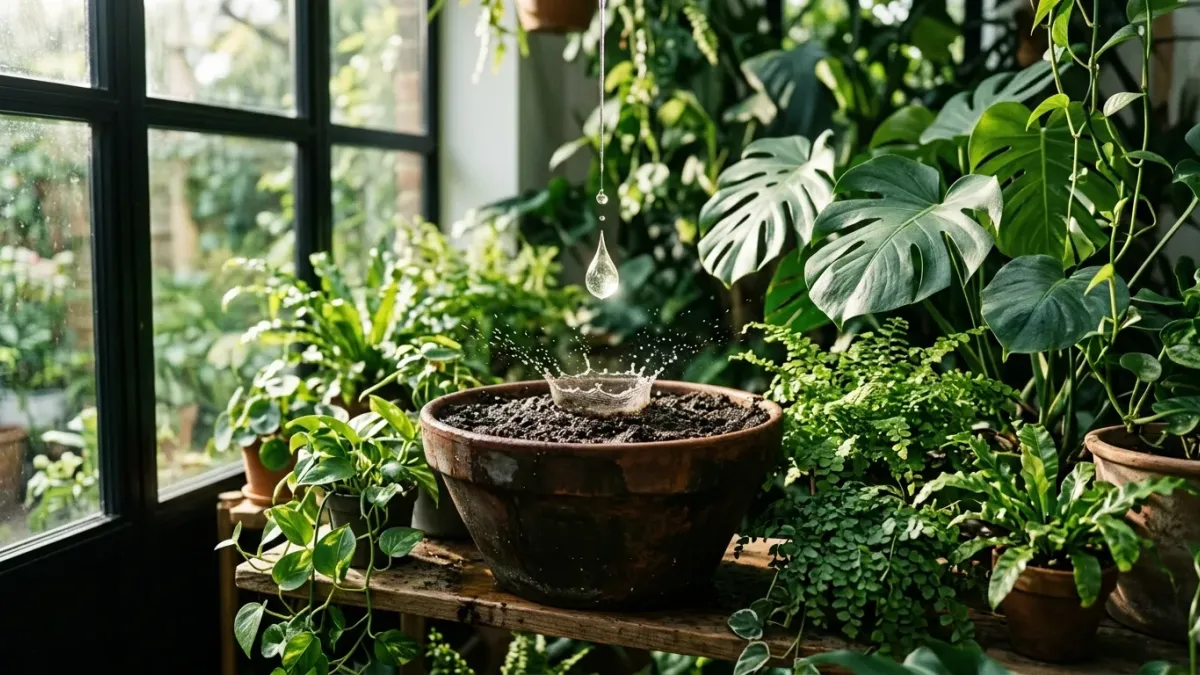
You've nailed down the watering routine, found that sweet spot for bright indirect light, and even successfully repotted your growing green companions. What's the next frontier in cultivating truly spectacular, vibrant indoor plants? It's all about feeding them right! But let's be honest, walking down the fertilizer aisle can feel like stepping into a chemistry lab. Bags, bottles, numbers, conflicting advice – it's enough to make any plant parent hesitate.
Don't worry, you're not alone. As an experienced urban horticulturist who’s navigated the world of plant nutrition for decades, I'm here to demystify houseplant fertilizer. This isn't about rigid rules; it's about understanding what your plants truly need and choosing the perfect "meal" to help them flourish. We'll explore the different types of plant food available, how to decipher those mysterious N-P-K numbers, and most importantly, how to pick the best option for your specific plants and lifestyle, ensuring they stay healthy, happy, and looking their absolute best with minimal fuss.
Beyond Water: Why Your Potted Plants Crave a Balanced Diet
Imagine trying to build a magnificent skyscraper with just bricks and water. You'd get a structure, sure, but it wouldn't be very strong or efficient. Plants are similar. While sunlight, water, and carbon dioxide are the foundational elements for photosynthesis (the process where plants convert light energy into food), they also require a range of specific nutrients to build their cellular structures, fuel their growth, and maintain overall health. In their natural outdoor habitats, these essential nutrients are constantly replenished by decaying organic matter – leaves, fallen branches, even dead insects – enriching the soil.
However, your beloved houseplants live in a controlled, enclosed environment: a pot. The small volume of potting mix they reside in has a finite supply of nutrients. As your plant grows, it absorbs these vital elements from the soil, quickly depleting the reserves. This is where fertilizer steps in. It's not a "magical growth potion," but rather a carefully formulated supplement designed to replenish those essential nutrients, ensuring your plant has all the building blocks it needs to thrive.
Deciphering the N-P-K Code and Micronutrients
Every bag or bottle of fertilizer proudly displays three numbers, like 10-10-10 or 3-1-2. This is the **N-P-K ratio**, representing the percentage by weight of the three primary macronutrients:
- N (Nitrogen): The Foliage Fueler. Nitrogen is crucial for vigorous vegetative growth, particularly lush green leaves and strong stems. It's a key component of chlorophyll, the pigment responsible for photosynthesis. Think of it as the building block for all the green parts of your plant.
- P (Phosphorus): The Root and Bloom Booster. Phosphorus plays a vital role in energy transfer within the plant, promoting strong root development, flowering, and fruit production. It's like the plant's energy currency, essential for healthy foundations and reproductive efforts.
- K (Potassium): The Overall Health Protector. Potassium, sometimes called potash, is essential for overall plant health, improving disease resistance, water regulation, and stress tolerance. It helps plants handle environmental challenges and ensures efficient nutrient uptake. Think of it as the plant's immune system and internal regulator.
Beyond these primary macronutrients, plants also require smaller amounts of micronutrients such as iron, manganese, zinc, copper, boron, and molybdenum. These are like the essential vitamins and trace minerals in our own diets – needed in tiny quantities but critical for specific enzymatic functions and overall vitality. A good quality houseplant fertilizer will typically include a balanced mix of these micronutrients as well.
Your Fertilizer Arsenal: Exploring the Different Types of Plant Food
The world of houseplant fertilizers offers a variety of formulations, each with its own advantages and ideal use cases. Understanding these types will empower you to choose the best option for your plants and your lifestyle.
1. Liquid Concentrates: The Quick Fix with Precision
Liquid fertilizers are concentrated solutions that you dilute with water before applying. They deliver nutrients directly to the plant roots almost immediately, making them fast-acting and highly effective for an immediate boost.
- Pros: Quick results, easy to adjust strength (crucial for houseplants!), and you can see the difference fairly rapidly. Ideal for active growers and correcting minor deficiencies.
- Cons: Requires more frequent application (typically every 2-4 weeks during the growing season) and there's a higher risk of over-fertilization if not diluted properly.
- Best For: Most foliage plants during their active growth, plants needing a quick nutrient boost, and those where you want precise control over feeding.
- Examples: Look for balanced formulas like Dyna-Gro "Foliage-Pro" (9-3-6) which mimics the natural 3-1-2 ratio often recommended for many foliage plants, or Schultz All Purpose Liquid Plant Food (10-15-10). Remember to always dilute these products significantly, often to 1/4 strength for most houseplants.
2. Slow-Release Granules or Pellets: The "Set It and Forget It" Solution
These fertilizers come in granular or pellet form, typically coated with a special resin. When you water, a small, controlled amount of nutrients is released over an extended period, usually for several months (e.g., 3-6 months). You usually mix them into the topsoil or potting mix when repotting, or simply sprinkle them on top of the soil.
- Pros: Incredibly convenient! You apply them once every few months, significantly reducing the risk of forgetting to fertilize. Less chance of over-fertilizing in one go compared to a single strong liquid dose.
- Cons: Less control over nutrient release; if your plant suddenly needs more or less, you can't easily adjust. They are less effective for immediate deficiency correction.
- Best For: Busy plant parents, plants that prefer consistent, gentle feeding, and when repotting.
- Examples: Osmocote Smart-Release Plant Food (19-6-12) is a popular choice, often providing nutrients for up to 6 months.
3. Fertilizer Spikes: The Ultimate Convenience (with Caveats)
Fertilizer spikes are pre-measured, solid sticks of nutrients that you simply push into the soil. They are designed to dissolve slowly and release nutrients over time.
- Pros: Extremely easy and mess-free application. No measuring or mixing required.
- Cons: Can lead to uneven nutrient distribution in the pot, potentially causing "hot spots" of concentrated fertilizer that can burn roots. Hard to adjust the dose if your plant's needs change.
- Best For: Very low-maintenance plants or those where you prefer absolute simplicity over precision. Not recommended for sensitive plants or those with specific nutrient requirements.
- Examples: Jobe's Houseplant Food Spikes are a widely available option.
4. Organic Fertilizers: Nurturing Soil and Plant Holistically
Organic fertilizers are derived from natural sources, such as plant or animal byproducts. They often work by improving soil health and microbial activity, releasing nutrients more slowly and gently.
- Pros: Improves overall soil structure and microbial life, less risk of chemical burn, sustainable. Some options like worm castings are odorless and excellent soil conditioners.
- Cons: Can have a distinct odor (especially fish emulsion), nutrient ratios can be less precise, and results may be slower than synthetic options.
- Best For: Plant parents who prioritize natural solutions and long-term soil health.
- Examples:
- Worm Castings: Odorless, gentle, and packed with beneficial microbes. Sprinkle a thin layer on top of the soil or mix into potting mix. Worm Castings Organic Fertilizer.
- Fish Emulsion: A liquid concentrate derived from fish byproducts. Excellent for foliage growth but has a strong, temporary smell. Alaska Fish Fertilizer (5-1-1).
- Seaweed Extract: Packed with trace minerals and growth hormones, great for stress recovery and overall vigor. Often used as a foliar spray or soil drench. Maxsea Seaweed Plant Food.
- Compost Tea: A liquid made by steeping compost in water. You can make your own for a nutrient-rich, microbe-filled boost.
5. Foliar Feeds: A Quick Leafy Boost
Foliar feeding involves applying a diluted liquid fertilizer directly to the plant's leaves, where nutrients can be absorbed through the stomata (tiny pores). This is usually a supplemental feeding method, not a primary one.
- Pros: Very fast absorption for correcting immediate deficiencies, beneficial for plants with root issues, and great for plants like orchids or air plants that absorb nutrients through their leaves.
- Cons: Temporary effect, can burn leaves if the concentration is too strong, and not all plants absorb nutrients effectively this way.
- Best For: Supplemental feeding, helping stressed plants, or species that benefit from leaf absorption (e.g., Calatheas, Orchids, air plants).
- Examples: Many diluted liquid fertilizers (like Dyna-Gro) can be used as foliar sprays. Always use a fine mist and avoid direct sunlight after application.
Matching the Meal: Choosing the Right Fertilizer for Your Houseplant's Unique Diet
The "best" fertilizer isn't one specific product; it's the one that best suits your plant's needs and your care style. Here’s how to tailor your approach:
For Lush Foliage Plants (Pothos, Monstera, ZZ Plant, Philodendron, Snake Plant)
These plants are all about impressive leaves! They benefit most from a fertilizer with a higher nitrogen (N) content to promote vigorous green growth. Look for formulas with an N-P-K ratio around 3-1-2 or 9-3-6 (which is effectively 3-1-2 when simplified). Liquid concentrates are excellent here, allowing you to feed regularly during active growth.
- Recommendation: Dyna-Gro "Foliage-Pro" (9-3-6) at 1/4 strength every 2-4 weeks during spring and summer.
For Beautiful Blooming Plants (African Violet, Peace Lily, Orchid, Hoya)
If you want flowers, you'll need to provide more phosphorus (P). While still needing nitrogen and potassium, a higher "P" number will encourage bud formation and vibrant blooms. Many dedicated "bloom boosters" or orchid fertilizers fit this profile.
- Recommendation: For African violets, try a specific African Violet Food (7-9-5). For orchids, an Orchid-specific fertilizer (e.g., 4-5-3) applied weekly "weakly" when in bloom or actively growing.
For Succulents & Cacti (Echeveria, Sansevieria, Christmas Cactus)
These drought-tolerant plants are generally low feeders. Over-fertilization can quickly lead to root burn. They prefer a very diluted, balanced fertilizer, and only during their brief growing seasons.
- Recommendation: A highly diluted (1/8 to 1/4 strength) balanced liquid fertilizer (e.g., 5-5-5) Schultz Cactus Plus Liquid Plant Food (2-7-7), only once every 2-3 months during spring and summer, or even less frequently.
For Acid-Loving Plants (Gardenia, Azalea, Citrus as houseplants)
Some plants thrive in slightly acidic soil conditions and may benefit from fertilizers that help maintain this pH, often containing additional iron to prevent yellowing leaves (chlorosis).
- Recommendation: Look for specific acid-loving plant formulas if you keep these species indoors.
Masterful Application & Avoiding the Pitfalls: Your Fertilizing Game Plan
Applying fertilizer isn't just about picking a product; it's about proper technique to maximize benefits and avoid harm. Remember, less is almost always more when it comes to houseplants.
When to Fertilize: Listen to Your Plant, Not Just the Calendar
The general rule of thumb is to fertilize only when your plant is actively growing. For most houseplants, this means during the warmer, brighter months of spring and summer (roughly March through September in the Northern Hemisphere). Look for signs like new leaves unfurling, stems extending, or flower buds forming.
- Do NOT Fertilize:
- Dormant Plants: In fall and winter, most plants slow down significantly. Fertilizing a dormant plant can lead to salt buildup and root damage.
- Stressed Plants: If your plant is struggling with overwatering, pests, or disease, fertilizer will only add more stress. Address the underlying problem first.
- Newly Repotted Plants: Fresh potting mix usually contains enough nutrients for several weeks. Wait at least 4-6 weeks after repotting before fertilizing.
- Plants in Distress: Yellowing leaves can be a sign of overwatering or nutrient deficiency. Always diagnose the issue before adding fertilizer, as it can worsen overwatering problems.
How to Apply Liquid Fertilizers Correctly
This is where many beginners go wrong, leading to "fertilizer burn."
- Always Dilute: For houseplants, I recommend starting with 1/4 to 1/2 the strength recommended on the product label. It's much safer to under-fertilize slightly than to over-fertilize.
- Water First, Then Fertilize: Crucial step! Always give your plant a thorough watering with plain water *before* applying diluted liquid fertilizer. This ensures the soil is moist and the roots are hydrated, preventing the concentrated salts from burning delicate roots.
- Even Application: Pour the diluted fertilizer evenly around the base of the plant, allowing it to soak into the soil. Avoid getting too much on the leaves (unless it's a foliar spray).
- Drainage is Key: Ensure your pot has drainage holes so excess water and fertilizer can escape, preventing salt buildup.
Common Mistakes to Avoid at All Costs
- Over-fertilization (Fertilizer Burn): The most common mistake! Signs include crispy, brown leaf tips and margins, stunted growth, wilting, and a white crust on the soil surface.
- What to Do: If you suspect over-fertilization, immediately flush the soil thoroughly with plain water several times. Let all excess water drain out. Reduce your fertilizing frequency and strength going forward.
- Fertilizing a Dry Plant: Applying fertilizer to bone-dry soil is a recipe for root burn. Always water first!
- Ignoring Plant-Specific Needs: A "one-size-fits-all" approach to fertilizer often leads to disappointment. What works for a Monstera won't work for a Cactus.
- Assuming More is Better: Plants don't need constant feeding. Stick to a consistent, diluted schedule during active growth and ease off in dormancy.
- Using Outdoor Garden Fertilizers: These are often too strong and contain different nutrient ratios for indoor plants. Stick to products specifically formulated for houseplants.
Your Quick "What to Do This Week" Takeaway
Ready to level up your plant parenting? Here's your actionable checklist for smart fertilizing:
- Observe: Check your houseplants for new growth. Are new leaves unfurling? Are stems elongating? If yes, it's likely time to consider feeding.
- Identify: What kind of plant is it? A leafy philodendron, a blooming peace lily, or a low-key succulent? This will guide your fertilizer choice.
- Choose Your Weapon: Select a fertilizer type (liquid for control, slow-release for convenience, organic for soil health) and an N-P-K ratio appropriate for your plant's needs.
- Dilute, Dilute, Dilute: For liquid fertilizers, always err on the side of caution. Start with 1/4 strength.
- Hydrate First: Water your plant thoroughly with plain water until it drains from the bottom.
- Feed: Apply your diluted fertilizer evenly to the moist soil.
- Monitor: Watch your plant for signs of improved growth or, conversely, any signs of stress. Adjust your schedule or strength as needed.
By understanding the nuances of houseplant nutrition and adopting a tailored approach, you'll transform your indoor jungle from merely surviving to absolutely thriving. Happy feeding!