The "Why" of Bedroom Plants: More Than Just Green Decor
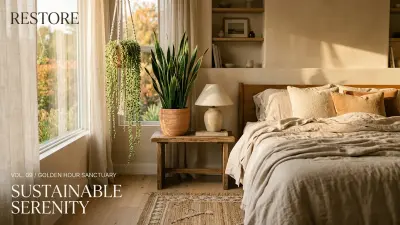
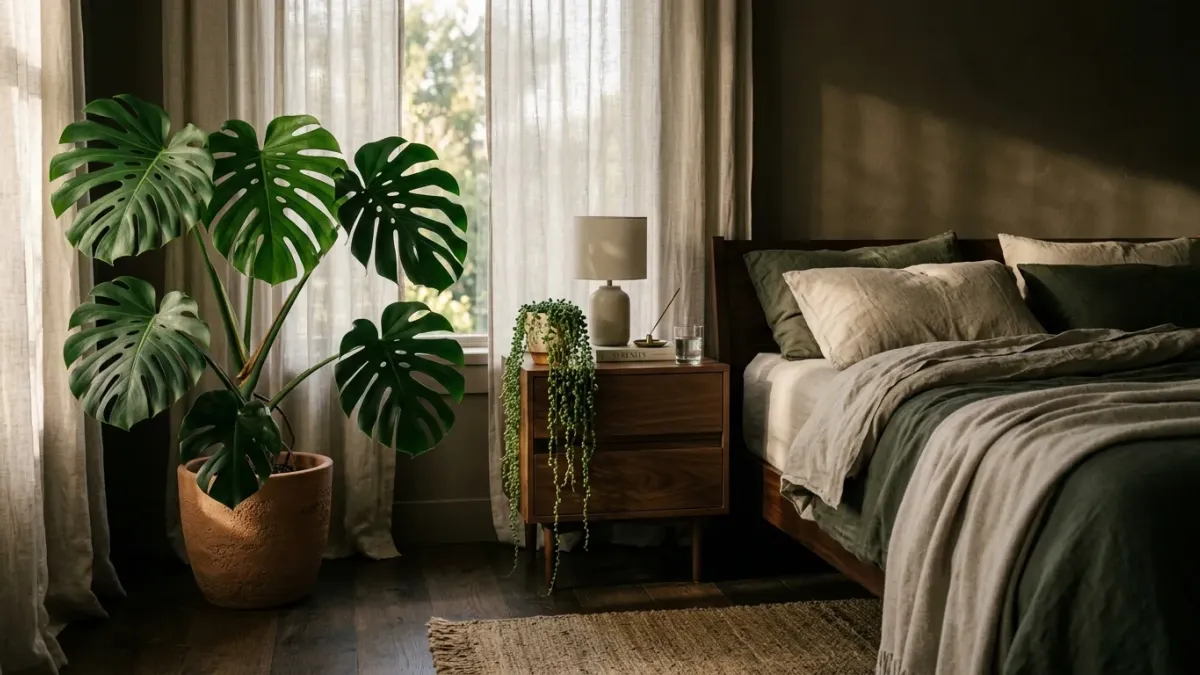
Imagine waking up feeling refreshed, surrounded by vibrant greenery that not only beautifies your space but also contributes to your well-being. Adding plants to your bedroom isn't just a design trend; it's a strategic move for a healthier, happier you. For years, I've seen firsthand how a well-chosen plant can transform a mundane bedside table into a miniature haven of tranquility.
Air Purification Powerhouses
One of the most compelling reasons to invite plants into your sleep sanctuary is their ability to clean the air. Back in the 80s, NASA famously studied houseplants for their air-purifying capabilities, discovering that many common indoor plants can filter out harmful toxins like benzene, formaldehyde, and trichloroethylene from the air. These are known as Volatile Organic Compounds (VOCs), and they can be found in everyday items like paint, furniture, and cleaning supplies. Having plants in your bedroom helps reduce these airborne nasties, making the air you breathe while you sleep cleaner and fresher.
Stress Reduction & Improved Sleep
Beyond air quality, plants have a profound psychological impact. The mere presence of greenery has been shown to reduce stress levels, lower blood pressure, and even improve mood. Think about it: a little piece of nature right by your bed can provide a calming visual focus, helping you unwind after a long day. In my opinion, the gentle act of caring for a plant also offers a quiet, meditative ritual that can prepare your mind for a restful night's sleep.
Boosting Humidity & Aesthetics
Especially in dry indoor environments, plants can naturally release moisture into the air through a process called transpiration, helping to slightly increase humidity levels. This can be beneficial for alleviating dry skin, scratchy throats, and even helping with congestion. Plus, let's be honest, plants just look good! They add texture, color, and life to any room, turning a sterile space into a warm, inviting retreat.
Decoding Your Bedroom's Environment: Light, Space, and Lifestyle
So far, we've covered the fantastic benefits of bedroom plants. Now, let's get to the really critical point: choosing the right plant for *your* specific bedroom. This isn't a one-size-fits-all situation. The key to plant success lies in understanding your environment and your own plant parenting style.
Assessing Light Levels (Bright Indirect, Medium, Low)
Light is the single most important factor for plant health. Before you buy any plant, take a moment to observe your bedroom's light.
- Bright Indirect Light: This is a spot near a window (south or west-facing often) that gets plenty of natural light throughout the day, but where direct sunbeams never hit the plant's leaves. Think a few feet away from a sunny window, or right by an east-facing window.
- Medium Light: This typically means a room with a window, but the plant is placed further away (5-10 feet), or the window faces north. The light is still consistent but not intense.
- Low Light: This describes a room with a very small window, a window that's often shaded, or a spot far from any natural light source. Plants in low light will mostly rely on ambient room light.
Considering Space & Layout (Nightstands, Shelves, Floor)
Where do you envision your plant living? A small plant on a nightstand requires different considerations than a large floor-standing specimen. Do you have open shelves, a dresser, or just a tiny ledge? Measure your available space. A huge Monstera might look amazing in a magazine, but it will quickly outgrow a modest nightstand. Conversely, a tiny succulent might get lost on a large dresser.
Your Plant Parent Persona (Beginner, Busy, Experienced)
Honestly, this is where many people go wrong. How much time and effort are you *realistically* willing to dedicate to plant care?
- If you're a beginner or a busy individual who might forget to water, focus on truly low-maintenance plants.
- If you're an intermediate plant parent who enjoys a routine, you can explore plants with slightly more specific needs.
Top Picks for a Dreamy Bedroom Oasis
Now that you've assessed your space, let's dive into some of my absolute favorite plants for the bedroom. These are chosen for their ease of care, air-purifying qualities, and overall positive impact on a sleep environment.
Low-Light Champions
- Snake Plant (Sansevieria trifasciata 'Laurentii'): This plant is practically indestructible. It tolerates low light, infrequent watering, and actually purifies the air at night by converting CO2 into oxygen. It's truly a marvel for those who forget to water. Water only when the soil is completely dry, typically every 2-4 weeks.
- ZZ Plant (Zamioculcas zamiifolia): Another superstar for neglectful plant parents. The ZZ plant thrives in very low light and can go weeks without water thanks to its thick rhizomes that store moisture. It's a fantastic choice for a dark corner.
- Pothos (Epipremnum aureum): A classic for a reason! Pothos varieties like 'Golden' or 'Marble Queen' are incredibly versatile. They tolerate medium to low light, are easy to propagate, and their vining nature looks beautiful trailing from a shelf. Water when the top 2 inches of soil are dry.
- Peace Lily (Spathiphyllum): With its elegant white blooms and lush green leaves, the Peace Lily is a beautiful air purifier that also tells you when it's thirsty by drooping dramatically. It prefers medium to low light and consistently moist (but not soggy) soil.
Air-Purifying Stars
While many plants purify air, these are particularly effective and well-suited for bedrooms:
- Spider Plant (Chlorophytum comosum): Easy to care for and incredibly prolific, producing "spiderettes" that can be propagated. It's excellent at removing formaldehyde and xylene from the air. Prefers bright indirect light and moderately moist soil.
- Areca Palm (Dypsis lutescens): A larger plant that makes a statement, the Areca Palm is a fantastic humidifier and purifies the air of toxins like formaldehyde and benzene. It needs bright indirect light and consistently moist soil. This one is better for a spacious bedroom.
- Boston Fern (Nephrolepis exaltata): While they love humidity, Boston Ferns are top-notch air purifiers, especially for formaldehyde. They prefer bright indirect light and consistently damp soil. A pebble tray can help boost humidity around them.
My Personal Favorites for Bedroom Vibes
Based on my experience, for a perfect blend of ease and impact, I often recommend the snake plant or ZZ Plant for those truly low-light, low-effort spots. For a bit more lushness, a Pothos trailing from a shelf or a Peace Lily on a dresser can add immense character without demanding too much. These plants are resilient, forgiving, and truly enhance the calming atmosphere of a bedroom.
Essential Care Tips for Thriving Bedroom Plants
Choosing the right plant is just the first step. Proper care ensures your green companions stay happy and healthy, giving you all those amazing benefits year-round.
Watering Wisely for Bedroom Environments
The number one killer of houseplants is overwatering. For bedroom plants, especially those in lower light conditions, you'll generally water less frequently. Always check the soil before watering. I recommend using a moisture meter or simply sticking your finger into the soil. Water only when the top 2 inches of soil feel dry. For plants like Snake Plants and ZZ Plants, wait until the soil is completely dry throughout the pot. Ensure your pots have drainage holes to prevent waterlogging and root rot (when roots suffocate and decay from too much moisture).
Humidity Hacks
Many popular houseplants, especially tropical varieties, appreciate higher humidity than typical indoor air provides. To boost humidity around your Bedroom plants, you can group them together (they create a microclimate), use a pebble tray (a tray filled with pebbles and water, ensuring the pot sits above the water level), or occasionally mist their leaves (though misting isn't a long-term solution for high humidity). A small room humidifier can also do wonders, especially if you have several plants.
Potting & Placement Pointers
Always ensure your plant is in a pot with drainage holes. Use a well-draining soil mix — this means a soil blend that allows excess water to pass through easily, preventing the roots from sitting in stagnant water. A good general mix is 50% high-quality potting mix, 30% perlite, and 20% orchid bark or coarse sand. Place your plant according to its light needs – don't put a low-light tolerant plant in direct sun, or vice-versa. Rotate your plants occasionally so all sides get even light exposure.
Pest Prevention: Keeping Your Sleep Sanctuary Clean
Pests are a common houseplant problem, but they're largely preventable. Regularly inspect your plants for any signs of trouble (sticky residue, tiny bugs, discolored leaves). A simple wipe down of leaves with a damp cloth not only keeps them looking shiny but also removes dust that can hinder photosynthesis and hide pests. If you spot pests, isolate the plant and treat it with an organic insecticide like neem oil spray, following product instructions carefully.
Common Mistakes to Avoid for Bedroom Plant Success
Even with the best intentions, it's easy to make a few missteps. Here are the most common ones I've seen:
- Overwatering: As mentioned, this is the biggest culprit. When in doubt, wait another day to water.
- Ignoring Light Needs: Trying to force a sun-loving plant into a dark corner, or scorching a shade-lover in direct sun.
- Lack of Drainage: Pots without drainage holes are a recipe for disaster. Always use pots with holes!
- Neglecting Dust: Dust buildup on leaves blocks light absorption. Wipe leaves regularly to keep them clean and efficient.
- Fertilizing Too Much or At the Wrong Time: bedroom plants, especially those in lower light, often need less fertilizer. Fertilize sparingly (e.g., a balanced liquid fertilizer like 10-10-10 at half strength every 4-6 weeks) only during the growing season (spring and summer), not in winter.
Quick What To Do This Week Takeaway:
Take five minutes to assess your bedroom's light, pinpointing the brightest and darkest spots. Then, pick one plant from our "Top Picks" list that perfectly matches your light and lifestyle, and bring it home. Don't forget to check the soil before you water!
Choosing the perfect plant for your bedroom isn't just about adding greenery; it's about curating a space that supports your rest, health, and overall well-being. By understanding your environment, selecting the right plant, and following these simple care tips from Easy Houseplant Care, you'll create a tranquil, living sanctuary that helps you breathe easier and sleep better. Embrace the calm, embrace the green, and enjoy your beautiful bedroom oasis!