Beyond Air Purification: Crafting Your Bedroom Plant Sanctuary
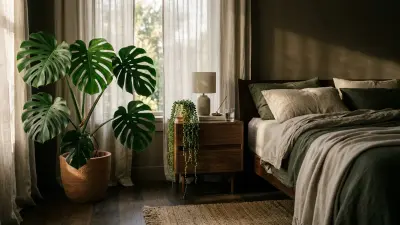
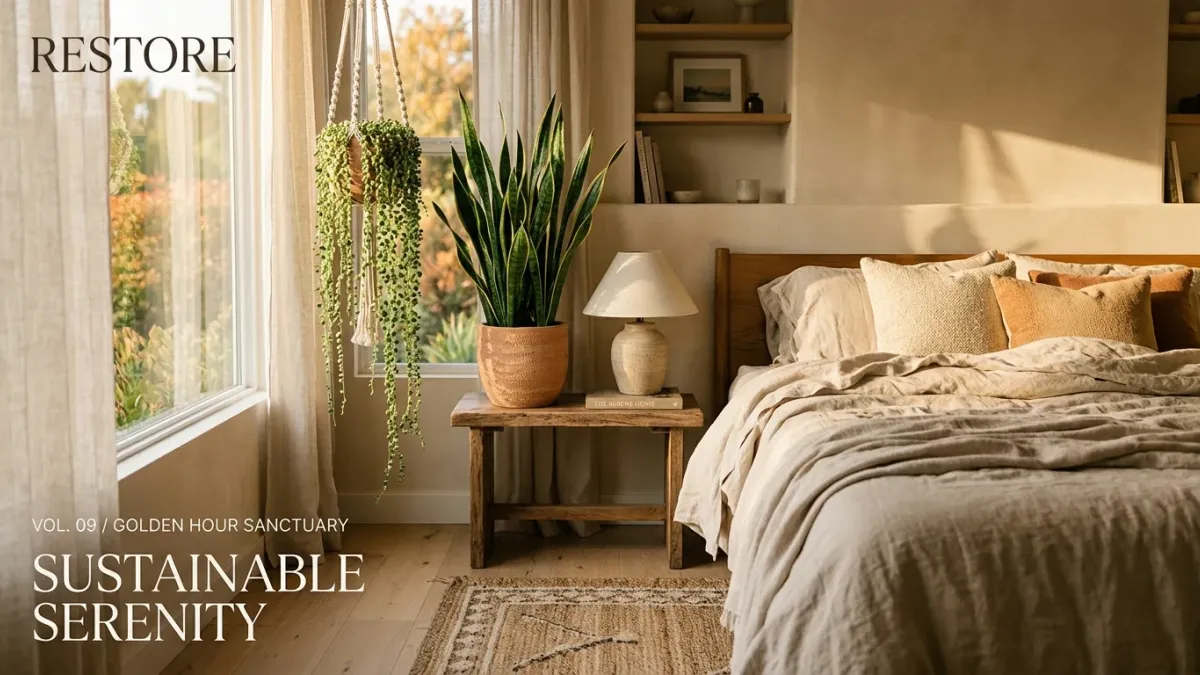
Imagine stepping into your bedroom, not just to sleep, but to truly unwind in a space that feels deeply restorative. A space where the air feels naturally lighter, your eyes find peace in lush greenery, and the stresses of the day gently melt away. This isn't just a scene from a magazine; it's the tangible benefit of thoughtfully incorporating plants into your personal sleep sanctuary.
For years, I've guided countless plant enthusiasts, from absolute beginners in tiny apartments to homeowners with sprawling collections, in curating indoor havens. And time and again, the bedroom emerges as the most personal and impactful space for plant integration. While many articles champion plants for their air-purifying prowess (and yes, that's a fantastic perk!), I want to share a deeper, more holistic perspective. It's about how the *presence* of plants – their visual calm, the gentle routine of their care, and their subtle impact on your environment – can fundamentally shift your bedroom from a place you simply sleep to a true retreat for deep, restorative rest.
Forget complicated routines or exotic specimens. My goal is to equip you with the knowledge to select and care for the ideal green companions that thrive in typical bedroom conditions, offering maximum benefits with minimal effort. We're talking about creating a verdant oasis that supports your well-being, naturally.

The Green Prescription for Rest: How Plants Elevate Your Sleep Space
When we talk about plants in the bedroom, the conversation often begins and ends with air purification. While it's true that certain plants can help filter common indoor pollutants, the real magic for sleep extends far beyond that. As an urban horticulturist, I've observed firsthand the multifaceted ways plants contribute to a restful environment:
1. Visual Tranquility and Biophilic Connection
Our innate connection to nature, often called biophilia, means that simply seeing greenery can have a profound calming effect. Think about it: a vibrant, healthy plant introduces an organic element into your often-structured indoor world. Plants with soft, rounded leaves, trailing vines, or elegant, upright forms provide visual anchors that reduce mental clutter and promote a sense of peace. This isn't just anecdotal; studies have shown that exposure to natural elements can lower blood pressure and heart rate, prime indicators of relaxation. Placing a lush plant where it catches your eye upon entering or lying in bed can provide an instant, gentle shift in your mental state, signaling that it's time to slow down.
2. Subtle Humidity Regulation
Many common houseplants release moisture into the air through a process called transpiration. This natural humidification can be particularly beneficial in bedrooms, especially during dry winter months or in air-conditioned environments. Slightly elevated humidity can soothe dry nasal passages and throats, potentially reducing snoring or night-time discomfort, leading to more uninterrupted sleep. While they won't replace a humidifier, a collection of plants can contribute to a more comfortable breathing environment.
3. Cultivating Mindful Routine
Caring for plants, even low-maintenance ones, introduces a gentle, grounding routine into your day or week. Checking their soil, wiping dust from leaves, or marveling at new growth offers a small moment of mindful connection. This subtle ritual can act as a mini-meditation, pulling you away from screens and daily worries, helping you transition from an active mindset to one prepared for rest. It’s a quiet, satisfying accomplishment that brings a sense of order and peace.
4. Softening Sound and Space
Believe it or not, plants, especially those with dense foliage, can slightly absorb sound waves, contributing to a quieter, more peaceful room. They also visually soften hard lines and corners, making a room feel more inviting and less stark. This subtle spatial transformation can make your bedroom feel less like a functional space and more like a cozy, enveloping sanctuary.
Your Dream Team: Top Houseplants for Tranquil Nights
Now that we understand the holistic benefits, let's talk about the specific plant heroes for your bedroom. The key here is choosing resilient, easy-care plants that thrive in typical bedroom light conditions (often medium to low indirect light) and won't demand constant attention. Remember, the goal is less stress, not more!
1. Pothos (Epipremnum aureum) - The Versatile Trailing Calmer
- Why it's great for sleep: Pothos is incredibly forgiving and its trailing vines create a cascade of green that visually softens any space. Placed on a high shelf or in a hanging planter, it draws the eye upward, creating a sense of natural canopy. It's also remarkably tolerant of lower light.
- Care Level: Beginner-friendly, very low maintenance.
- Light: Adaptable. Thrives in medium to bright indirect light but tolerates low light conditions very well. Too much direct sun can scorch its leaves.
- Watering: Water when the top 2-3 inches of soil are dry. Typically every 7-10 days, but adjust based on light and temperature. Pothos will tell you it's thirsty by slightly drooping its leaves.
- Soil: A standard well-draining potting mix is perfect. Something like 60% coco coir or peat moss, 20% perlite, 20% orchid bark works wonders.
- Pro Tip: Pothos is one of the easiest plants to propagate! Simply snip a vine with a few leaves just below a node (a small bump on the stem) and place it in a glass of water. Roots will form in a few weeks, giving you endless new plants for free.
2. Prayer Plant (Maranta leuconeura) - The Mindful Mover
- Why it's great for sleep: This plant is truly unique. Its striking, patterned leaves fold up at night, resembling hands in prayer, and then unfurl again in the morning light. This gentle movement offers a subtle, natural rhythm that can be incredibly soothing and a delightful visual cue to the changing day. It's also non-toxic, making it safe for homes with pets or children.
- Care Level: Moderate. Needs consistent humidity but is otherwise straightforward.
- Light: Prefers medium to low indirect light. Direct sun will bleach and scorch its leaves.
- Watering: Keep the soil consistently moist but never soggy. Water when the top inch of soil feels slightly dry. Use filtered or distilled water if possible, as it can be sensitive to chemicals in tap water.
- Soil: A rich, well-draining mix that retains some moisture is ideal. Try 50% potting mix, 20% perlite, 20% coco coir, 10% worm castings.
- Pro Tip: To boost humidity, place your Prayer Plant on a pebble tray filled with water (ensure the pot isn't sitting directly in the water) or mist it regularly with a fine spray bottle.
3. Dracaena 'Janet Craig' (Dracaena deremensis 'Janet Craig') - The Elegant Upright Form
- Why it's great for sleep: With its dark green, glossy leaves and upright, architectural form, the 'Janet Craig' Dracaena brings a touch of understated elegance to any bedroom. Its strong vertical lines can make a space feel more grounded and serene, without being visually overwhelming. It's also incredibly resilient and tolerant of various conditions.
- Care Level: Easy, low maintenance.
- Light: Thrives in medium to low indirect light. Avoid direct sunlight. It's one of the best choices for shadier corners.
- Watering: Allow the top half of the soil to dry out completely between waterings. Overwatering is the biggest killer. Typically every 2-3 weeks, less in winter.
- Soil: A well-draining potting mix. Something like 70% standard potting mix and 30% perlite or coarse sand will ensure good drainage.
- Pro Tip: Dracaenas can be sensitive to fluoride in tap water. If you notice brown tips, try using filtered water or letting tap water sit out for 24 hours before using it.
4. Kimberly Queen Fern (Nephrolepis obliterata) - The Humidity Helper
- Why it's great for sleep: This lush, vibrant fern is an excellent natural humidifier, helping to create a more comfortable breathing environment, especially beneficial for those prone to dry airways at night. Its dense, graceful fronds add a wonderful natural texture and a feeling of freshness to the room. Unlike some other ferns, the Kimberly Queen is known for being less messy and easier to care for indoors.
- Care Level: Moderate. Requires consistent moisture and humidity.
- Light: Bright indirect light is ideal. Avoid direct sun, which can scorch the fronds.
- Watering: Keep the soil consistently moist, but not soggy. Do not let it dry out completely. Check every 3-5 days.
- Soil: A rich, peat-based potting mix that retains moisture well. Adding a bit of compost can be beneficial.
- Pro Tip: Ferns adore humidity. Place it in a bathroom if your bedroom is very dry, or group it with other plants to create a microclimate. A humidifier nearby or a daily misting will also be greatly appreciated.

Setting Up for Success: Placement, Pots, and Practicalities
Bringing plants into your bedroom is more than just buying them; it's about strategic placement and thoughtful integration to maximize their sleep-enhancing benefits.
1. Match Plant to Light
Before you even buy a plant, assess the light in your bedroom. Is it north-facing (low light), east (bright morning light), west (harsh afternoon light), or south (bright all day)?
- Low Light: Corners far from windows, or rooms with small windows. Ideal for Dracaena 'Janet Craig', Pothos, or ZZ Plant (if you want to include it, though I'm trying to differentiate).
- Medium Indirect Light: A few feet away from an east or west-facing window, or near a north-facing window. Good for Prayer Plant, Kimberly Queen Fern.
- Bright Indirect Light: Near an east-facing window, or a few feet from a south or west-facing window where direct sun doesn't hit the leaves. Spider Plants would thrive here.
Avoid placing plants directly in hot, direct sunlight from a south or west window unless they are succulents or cacti (which aren't typically our go-to for sleep sanctuaries).
2. Choose the Right Pot
The pot matters more than just aesthetics!
- Drainage Holes: Non-negotiable! Without them, your plant will suffer from root rot. Always choose pots with drainage.
- Material: Terracotta pots are porous and allow soil to dry out faster, great for plants that prefer drier conditions. Ceramic or plastic pots retain moisture longer, suitable for humidity-loving plants.
- Size: Don't overpot. A pot that's too large holds too much moisture, leading to root rot. Generally, choose a pot only 1-2 inches wider than the plant's root ball.
3. Strategic Placement for Maximum Impact
- Nightstand Companion: A small Prayer Plant or a compact Pothos can be a wonderful, calming presence near your bed. Ensure it doesn't block air circulation or get knocked over easily.
- High Shelf or Hanging Planter: Pothos is perfect here, allowing its vines to trail gracefully without taking up valuable surface space. This also keeps it out of reach of pets or small children.
- Floor Statement Piece: A larger Dracaena 'Janet Craig' can anchor a corner, adding vertical interest and a substantial green presence without being intrusive.
- Groupings: Plants love company! Grouping a few plants together can create a microclimate with higher humidity, beneficial for all involved. This also creates a lush, cohesive green display.
4. Simple Maintenance Schedule
The beauty of these bedroom plant picks is their low-maintenance nature. A weekly check-in is usually all that's needed:
- Watering: Stick a finger into the soil. If it feels dry to the recommended depth for your specific plant, it's time to water.
- Dusting: Wipe leaves gently with a damp cloth every few weeks. This helps them photosynthesize efficiently and keeps them looking vibrant.
- Fertilizing: Most houseplants only need fertilizer during their active growing season (spring and summer). A balanced liquid fertilizer (e.g., a 10-10-10 or 20-20-20) diluted to half-strength every 4-6 weeks is usually plenty.
- Pest Checks: Briefly inspect leaves (top and bottom) for any signs of pests during your weekly check. Early detection is key!
Common Pitfalls to Avoid for a Peaceful Bedroom Garden
Even with low-maintenance plants, a few common mistakes can disrupt your serene vision. Here's what to watch out for:
1. Overwatering: The Silent Killer
This is the most frequent mistake. More plants die from too much water than too little. Always check the soil moisture before watering, and ensure your pots have drainage holes. If you're unsure, a simple moisture meter (available for under $15) can be a fantastic tool to give you an accurate reading.
2. Neglecting Drainage
As mentioned, drainage holes are vital. If your decorative pot doesn't have one, use a nursery pot with drainage inside and place it in the decorative pot. This allows excess water to drain away, preventing root rot.
3. Ignoring Dust Buildup
Dust on leaves can block sunlight and hinder photosynthesis, making your plant less efficient and vibrant. A quick wipe down is a simple yet effective part of plant care.
4. Choosing Toxic Plants Carelessly
While most common houseplants are only mildly toxic if ingested (causing stomach upset), if you have pets or small children who might nibble, it's wise to stick to truly non-toxic options like Prayer Plant, Spider Plant, or African Violet. Always research a plant's toxicity before bringing it home, especially for the bedroom.
5. Overcrowding Your Space
While a lush look is lovely, don't jam too many plants into a small bedroom. This can make the room feel cluttered rather than calming. Focus on a few well-placed, thriving plants that contribute positively to the atmosphere.

Quick "What to Do This Week" Takeaway
Ready to transform your sleep sanctuary? This week, take these actionable steps:
- Assess Your Light: Spend a few minutes observing the light in your bedroom throughout the day. This is crucial for choosing the right plant.
- Choose Your Plant Partner: Select one or two plants from our "Dream Team" that align with your light conditions and personal aesthetic.
- Pot Up Smart: Ensure you have a pot with excellent drainage and the correct size for your new plant.
- Place Thoughtfully: Position your plant(s) where they can thrive and contribute most to your sense of calm.
- Set a Reminder: Mark a weekly "plant check-in" in your calendar. A quick soil check and leaf glance is all it takes to keep your green companions happy and your bedroom serene.
Cultivating a plant-powered bedroom is one of the easiest, most rewarding ways to invest in your well-being. With these simple steps, you'll be drifting off to a deeper, more peaceful sleep in no time, surrounded by the quiet magic of nature.