Cultivating a Green Haven That's Safe for Every Paw and Whisker
As a devoted plant parent, you know the joy of bringing vibrant greenery into your home. But if you also share your space with a curious cat, a playful pup, or even a nibbling bunny, a crucial question arises: Are my beloved houseplants safe for my furry companions? It’s a common dilemma, and one that often leads to stress for pet owners. Honestly, balancing a thriving indoor jungle with pet safety doesn't have to be a guessing game.
The good news is that you absolutely can have both! You don't need to sacrifice your love for plants to ensure your pets' well-being. This comprehensive guide from Easy Houseplant Care | Simple Indoor Plant Tips is designed to help you navigate the world of pet-friendly plants, giving you the knowledge and confidence to create a beautiful, safe, and serene environment for everyone in your household. Let's dig in and discover how to make your home a truly harmonious haven.

Understanding Plant Toxicity: Why It Matters for Your Furry Friends
When we talk about plant toxicity, we're referring to a plant's ability to cause adverse reactions if ingested or, in some cases, even just touched. For pets, this can range from mild gastrointestinal upset like vomiting or diarrhea, to more severe issues affecting the heart, kidneys, or nervous system. The level of toxicity varies greatly, and even a "mildly toxic" plant can cause distress for a sensitive pet.
Why do pets chew on plants? It's often out of boredom, curiosity, or sometimes, to satisfy a dietary need (like cats eating grass to aid digestion). Imagine this situation: you've just brought home a stunning new plant, perhaps a beautiful Peace Lily. Your cat, intrigued by its swaying leaves, decides to take a playful nibble. Unknown to you, Peace Lilies contain calcium oxalate crystals, which can cause immediate irritation and pain in your cat's mouth and throat. This is precisely why understanding which plants pose a risk is so crucial – it's about prevention.
The key here isn't just knowing which plants are dangerous, but also understanding that even non-toxic plants can cause a minor upset stomach if consumed in large quantities. So, while we focus on non-toxic options, responsible pet ownership also involves discouraging excessive plant chewing regardless of the plant's safety rating. Always keep the contact information for your veterinarian and a pet poison control hotline handy, just in case.
Our Top Picks: Delightful & Dependable Pet-Safe Plants
Ready to greenify your home without worry? Here are some of my favorite pet-friendly plants that are not only beautiful but also forgiving, making them perfect for both beginners and seasoned plant parents. We'll dive into their care needs too, so you know exactly what to do.
Spider Plant (Chlorophytum comosum)
- Why it's great: The quintessential pet-friendly plant! Spider Plants are completely non-toxic to cats and dogs and are super easy to care for. They also produce "spiderettes" (baby plants) that are fun to propagate.
- Light: Bright indirect light is ideal. They can tolerate medium light but might produce fewer spiderettes.
- Water: Water when the top inch or two of soil feels dry. They prefer to dry out slightly between waterings.
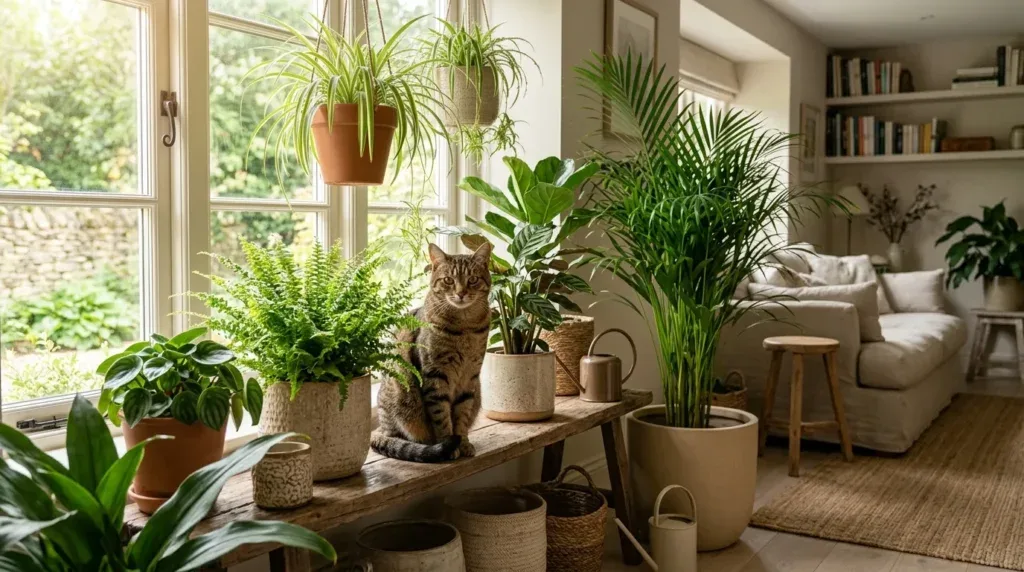
- Tip: If your cat loves to bat at the long, arching leaves, consider hanging your spider plant out of reach, or simply enjoy their playful antics knowing it's safe.
Boston Fern (Nephrolepis exaltata)
- Why it's great: Lush, feathery foliage makes this fern a classic choice, and it's thankfully non-toxic. It adds a wonderful texture to any room.
- Light: Bright indirect light. Avoid direct sun, which can scorch their fronds.
- Water: Keep the soil consistently moist, but not soggy. They love humidity, so misting or a pebble tray can help.
- Tip: These ferns can be a bit messy with falling fronds, so place them where shedding isn't an issue.
Prayer Plant (Maranta leuconeura)
- Why it's great: Known for their stunning patterned leaves and unique habit of folding their leaves up at night, Prayer Plants are a beautiful and safe choice for pet owners.
- Light: Medium to bright indirect light. Direct sun will fade their vibrant leaf patterns.
- Water: Keep the soil consistently moist, but allow the very top layer to dry slightly. They are sensitive to hard water.
- Tip: These plants thrive in high humidity, so a humidifier or grouping them with other plants will keep them happy.
African Violet (Saintpaulia)
- Why it's great: These charming, compact plants with velvety leaves and vibrant blooms are completely non-toxic and add a cheerful splash of color to any windowsill.
- Light: Bright, indirect light is crucial for blooming. An east-facing window is often perfect.
- Water: Water from the bottom or carefully at the soil level to avoid getting water on the leaves, which can cause spots. Use room-temperature water.
- Tip: Remove spent flowers and yellowing leaves regularly to encourage new blooms.
Christmas Cactus (Schlumbergera)
- Why it's great: A popular holiday bloomer, the Christmas Cactus (and its cousins, Thanksgiving and Easter cacti) are thankfully non-toxic. They’re easy to care for and can live for decades.
- Light: Bright indirect light. Can tolerate some morning sun.
- Water: Water when the top inch or two of soil is dry. They prefer slightly more water than desert cacti.
- Tip: For abundant blooms, ensure they get a period of cooler temperatures and longer nights in the fall.
Areca Palm (Dypsis lutescens)
- Why it's great: If you're dreaming of a larger, statement plant, the Areca Palm is an excellent non-toxic option. Its feathery fronds bring a tropical vibe indoors.
- Light: Bright, indirect light is best. Too much direct sun can scorch the leaves.
- Water: Keep the soil consistently moist, but not soggy. Allow the top inch to dry before rewatering.
- Tip: These palms appreciate high humidity and can be prone to spider mites if the air is too dry.
Polka Dot Plant (Hypoestes phyllostachya)
- Why it's great: With its striking speckled leaves in shades of pink, white, or red, the Polka Dot Plant is a small, colorful, and completely non-toxic addition to your collection.
- Light: Bright, indirect light helps maintain its vibrant colors. Too little light and it will revert to green; too much sun can scorch it.
- Water: Keep the soil consistently moist but avoid overwatering. It's a bit dramatic and will wilt when thirsty, quickly perking up after a drink.
- Tip: Pinch back leggy growth to encourage a bushier, more compact plant.
Baby Tears (Soleirolia soleirolii)
- Why it's great: This delightful plant forms a dense mat of tiny, bright green leaves, perfect for terrariums, hanging baskets, or as a groundcover around larger plants. It's safe for pets.
- Light: Bright, indirect light. It can tolerate medium light but will grow less densely.
- Water: Keep the soil consistently moist. It hates drying out completely. High humidity is a must.
- Tip: If it starts looking sparse, a good trim can encourage new, lush growth.
Smart Strategies for a Pet-Safe Indoor Garden
Choosing the right plants is a fantastic first step, but it's not the only strategy for creating a pet-friendly plant haven. What if your curious kitty still nibbles at a perfectly safe plant, making a mess or just annoying you? Here are some additional tactics to consider, based on my experience:
- Strategic Placement: Place plants out of reach of curious paws and mouths. This might mean high shelves, hanging baskets, or enclosed plant stands. If you have climbing cats, even high spots might not be enough, so really assess your pet's abilities.
- Provide Alternatives: Offer your pets their own safe greens. Growing a pot of "cat grass" (often a mix of oat, wheat, or barley grass) can provide a healthy, appealing alternative for cats who like to chew on greens.
- Deterrents: Some pet owners find success with deterrents. A common method is spraying plant leaves with a diluted bitter apple spray or a mixture of lemon juice and water (test on a small leaf first to ensure it doesn't harm the plant). Another idea is to place prickly pinecones or decorative pebbles on top of the soil to make digging less appealing.
- Supervision: Especially when introducing new plants or new pets, a little supervision goes a long way. Observe your pet's behavior around plants and intervene if they show too much interest in nibbling.
- Consider Barriers: For specific plants that are highly valued or particularly attractive to pets, clear barriers like small decorative fences or cloches can be effective.
Common Mistakes to Avoid When Mixing Pets and Plants
Even with good intentions, it's easy to make mistakes. Here are a few common pitfalls to steer clear of when cultivating your pet-safe indoor garden:
- Assuming all plants are safe: This is the biggest and most dangerous mistake. Never assume a plant is non-toxic just because you haven't heard otherwise. Always research new plants thoroughly before bringing them home. Easy Houseplant Care is a great resource, but always cross-reference with reputable sources like ASPCA.
- Relying solely on "out of reach": For many pets, especially cats, "out of reach" isn't always out of reach. They are master climbers! Assess your pet's agility and curiosity level honestly.
- Ignoring warning signs: If your pet shows any signs of illness (vomiting, diarrhea, lethargy, drooling, mouth irritation) after potentially interacting with a plant, don't wait. Contact your vet or a pet poison control center immediately.
- Using toxic pest control: Even if your plants are safe, the pesticides, fungicides, or fertilizers you use might not be. Always opt for pet-safe options like neem oil or insecticidal soap, and keep plants away from pets after application until dry.
- Forgetting about plant runoff: When watering plants, especially those in pots with drainage holes, toxic residues from fertilizers or just general plant compounds can collect in saucers. Ensure your pets don't drink this water.
Quick Pet-Safety Checklist for This Week
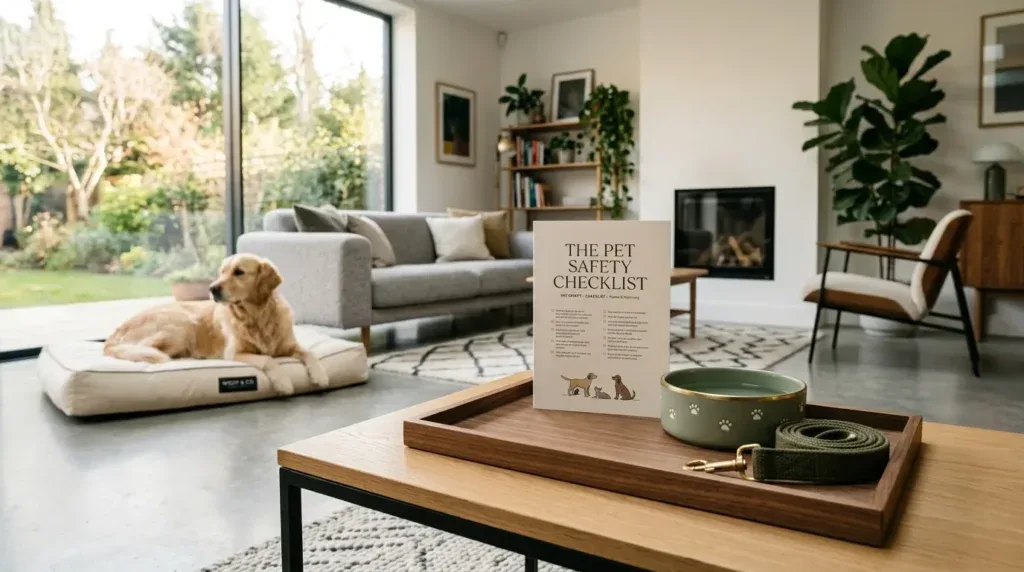
Ready to make your home even safer and greener? Here’s your actionable checklist:
- Review Your Current Plants: Take a moment to go through every plant in your home. Use a reliable resource like the ASPCA's toxic plant list to confirm their safety. If you have toxic plants that you can't part with, ensure they are absolutely inaccessible to your pets.
- Plan Your Next Purchase: When plant shopping, prioritize the pet-friendly plants listed above (Spider Plant, Boston Fern, Prayer Plant, African Violet, Christmas Cactus, Areca Palm, Polka Dot Plant, Baby Tears).
- Consider Pet-Specific Greens: If your pet is a habitual nibbler, pick up a cat grass kit this week and offer it as a safe alternative.
- Strategize Placement: Identify any plants that could be moved to higher shelves or hanging planters to keep them out of reach.
- Update Your Contacts: Make sure you have your vet's number and the Pet Poison Helpline (855-764-7661) easily accessible.
Creating a beautiful indoor garden where both your plants and pets can thrive is entirely achievable with a little knowledge and mindful planning. By choosing non-toxic varieties and implementing smart safety strategies, you can enjoy the best of both worlds – vibrant greenery and happy, healthy furry friends. Happy planting, and here’s to many years of peaceful coexistence!