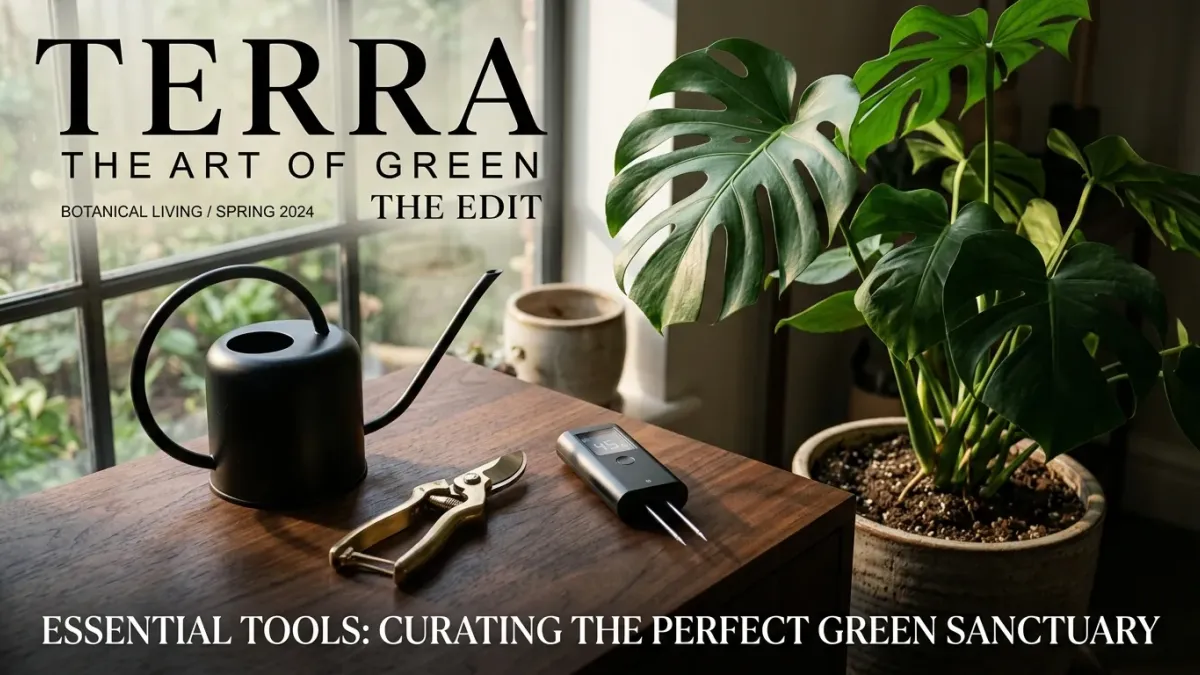
Quick answer: A beginner's essential indoor plant toolkit requires just five basic items: a long-spout watering can, a soil moisture meter, a sharp pair of bypass pruning shears, a micro-fiber cleaning cloth, and a potting mat. Investing in these targeted tools eliminates guesswork around watering, prevents pest infestations, and keeps repotting messes to an absolute minimum.
Precision Watering Essentials for Root Health
Watering errors account for roughly 80% of houseplant deaths among new collectors. Overwatering suffocates root systems by eliminating oxygen pockets in the soil, creating ideal conditions for fungal pathogens like Pythium. Conversely, severe underwatering causes delicate feeder roots to desiccate and die back. Having the right hydration equipment removes this uncertainty and helps you maintain ideal moisture levels across all your pots.
A long-spout watering can with a 1-to-2-liter capacity is far superior to standard kitchen cups or wide-rimmed pitchers. The narrow nozzle lets you direct liquid straight to the base of the plant, soaking the root zone evenly while keeping foliage dry. Keeping water off the leaves is critical for species sensitive to leaf spot disease or fungal growth, such as Calathea orbifolia and African Violets. Furthermore, a narrow spout allows you to navigate dense leaf canopies without spilling water over the sides of your display pots.
Pairing your watering can with a analog moisture meter transforms your care routine. These probe tools measure electrical conductivity in the substrate to gauge dampness on a scale of 1 (bone dry) to 10 (saturated). Instead of relying on superficial surface checks, slide the probe two-thirds down into the pot near the root ball. For tropical species like Monstera, water when the gauge drops to a 3 or 4. For drought-tolerant succulents and Snake Plants, let the meter hit 1 or 2 before soaking the soil thoroughly.
Plant parent tip: Don't rely solely on visual surface checks to decide when to water. I once lost a rare Monstera adansonii to root rot because the top inch of soil felt completely dry while the bottom of the pot remained saturated. Probe deeply with a moisture meter or a wooden chopstick near the drainage holes before pouring a single drop.
Pruning and Maintenance Tools
Regular maintenance keeps your indoor jungle looking vibrant while encouraging structural branching and vigorous new leaves. Using the wrong cutting tools, like dull kitchen scissors, crushes delicate stem tissues. Crushed vascular bundles take longer to callous over, leaving an open door for bacterial infections to enter the plant. Investing in proper plant care tools ensures clean cuts that heal rapidly.
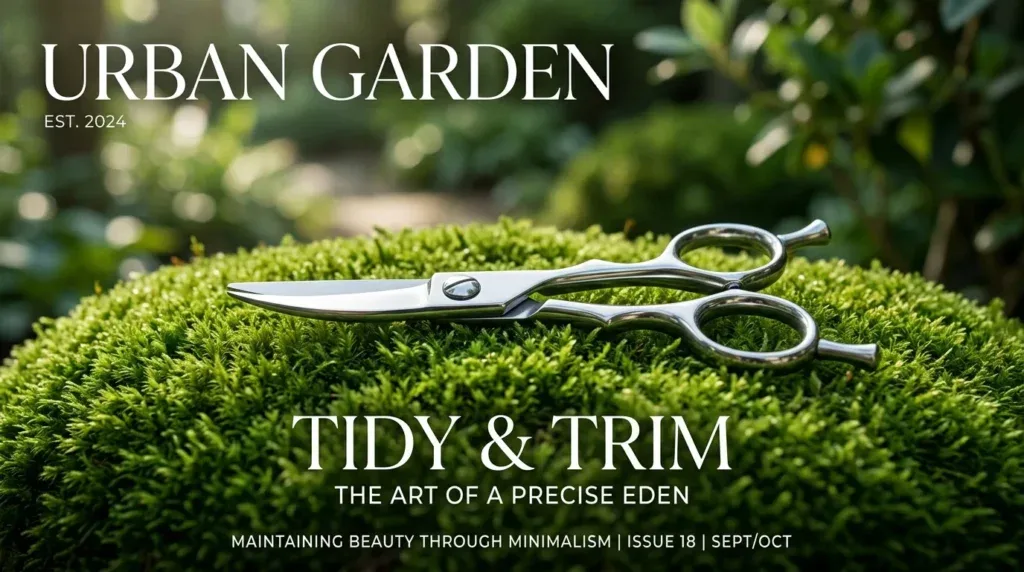
Bypass pruning snips are the gold standard for indoor gardening. Unlike anvil pruners which crush plant stems against a flat block, bypass blades pass by each other like scissor blades to create crisp, precise incisions. They are ideal for taking stem cuttings from trailing vines, removing spent blooms, and trimming away damaged foliage. Always sanitize your blades with 70% isopropyl alcohol before moving between different plants to prevent transmitting invisible sap-borne viruses or microscopic pests.
Foliage care requires more than just trimming dead leaves. In indoor environments, household dust settles on leaf surfaces, clogging stomata—the tiny pores plants use for gas exchange and respiration. Wiping leaves every two weeks with a damp microfiber cloth increases light absorption capacity, allowing plants to photosynthesize at peak efficiency. This routine maintenance doubles as a pest inspection window, letting you catch early signs of spider mites, thrips, or mealybugs under the leaves before an infestation explodes.
Smart Repotting and Substrate Gear
Eventually, healthy indoor plants outgrow their containers or exhaust the nutrients in their potting media. Most tropical houseplants need repotting every 12 to 18 months, preferably during their active growing phase in spring or early summer. Having a dedicated repotting setup makes this essential job clean, efficient, and stress-free for both you and your plant roots.
A waterproof repotting mat with snap corners is an absolute lifesaver for apartment dwellers without outdoor garden space. These heavy-duty plastic mats lay flat on your kitchen counter or dining table, holding soil, loose roots, and excess water within raised borders. Once your repotting project is finished, simply unsnap one corner and funnel leftover substrate back into your soil bin, keeping your living space completely mess-free.
You will also need a narrow soil scoop or a small hand trowel. A soil scoop features deep side walls that hold loose soil without spilling it everywhere as you pack mix around narrow root balls. When repotting, only step up 2 inches (5 cm) in pot diameter at a time. Placing a small root system into a massive pot retains excessive water in the unused soil, which frequently leads to anaerobic root rot.
Comparing Essential Starter Tools
Building your initial kit requires balancing cost against functionality. Selecting durable, dedicated items upfront prevents accidental damage to your plants and saves money on replacements over time. Review our recommended specifications below to build the ultimate toolkit for your space.
| Tool Type | Key Features to Look For | Best Used For | Recommended Care |
|---|---|---|---|
| Long-Spout Watering Can | 1–2L capacity, narrow stainless steel or durable plastic nozzle | Targeted root watering without wetting foliage | Rinse thoroughly; store dry to prevent algae buildup |
| Soil Moisture Meter | Dual-probe design, no batteries required, easy-to-read scale | Accurate root-zone moisture checking | Wipe probe dry with a cloth immediately after every use |
| Bypass Pruning Snips | Stainless steel blades, ergonomic grip, spring-loaded handle | Clean stem cuts, leaf removal, propagation cuttings | Sterilize with 70% isopropyl alcohol before and after use |
| Waterproof Potting Mat | Heavy-duty PVC/tarp fabric, leak-proof corner snaps | Mess-free indoor repotting and soil mixing | Wipe down with damp cloth and dry before folding away |
When assembling your care kit, choose substrate components that support healthy root development alongside your basic equipment. A standard blend for general indoor foliage consists of 50% premium potting soil, 30% perlite for aeration, and 20% coarse orchid bark for drainage. Pair this well-draining media with balanced fertilizers—such as a liquid 10-10-10 NPK formula diluted to half-strength—applied every four weeks during spring and summer to fuel steady growth.
Common Beginner Mistakes to Avoid
Even with high-quality gear in hand, new plant parents frequently fall into a few predictable care traps. Recognizing these mistakes early keeps your collection healthy and saves you from unnecessary plant loss.
- Leaving moisture meter probes in the soil: Soil moisture probes are designed for quick spot checks. Leaving them inserted permanently corrodes the metal sensor tip, leading to inaccurate readings and broken equipment.
- Misting leaves to raise ambient humidity: Spraying water onto foliage only raises humidity for a few minutes and often encourages fungal leaf spot diseases. Use a dedicated room humidifier to maintain a consistent 40%–60% humidity level instead.
- Over-potting into massive containers: Moving a plant from a 4-inch pot directly into a 10-inch container creates a large volume of wet, unoccupied soil that starves roots of oxygen and leads to root rot.
- Using dirty pruning shears across multiple plants: Trimming healthy plants with blades that cut diseased foliage spreads bacterial and fungal infections throughout your home garden. Always disinfect your shears.
For long-term success, focus on matching each plant species with its ideal environment before expanding your collection. Position light-loving foliage where it receives bright indirect light (around 200–400 foot-candles or 2,000–4,000 lux), maintain stable temperatures between 18–24°C (65–75°F), and keep pets safe by checking toxic properties against the ASPCA toxicity database before bringing new plants home.
What to Do This Week
Start by evaluating your current setup and identifying the biggest gap in your care routine. If you struggle with overwatering, purchase an inexpensive soil moisture meter and a long-spout watering can first. Pick up a pair of bypass pruning shears and a bottle of isopropyl alcohol to groom dead leaves cleanly. Equipping yourself with these foundational tools takes the anxiety out of routine care, helping you cultivate a thriving indoor oasis with complete confidence.
Frequently Asked Questions
Do I really need a soil moisture meter, or can I just use my finger?
While the finger test works well for surface moisture, it only checks the top 1–2 inches of soil. A moisture meter reaches deep into the root ball where water collects, giving you an accurate reading that prevents hidden overwatering at the base of deep pots.
How often should I clean and sanitize my plant tools?
You should wipe down pruning snips with 70% isopropyl alcohol before moving to a new plant. Soil moisture meter probes should be wiped dry immediately after every measurement to prevent rust and maintain accurate readings.
Can I use regular kitchen scissors instead of buying pruning shears?
Kitchen scissors dull quickly and tend to crush soft plant stems rather than slice through them cleanly. Crushed stems heal slowly and increase the risk of fungal infections entering the cut surface. Dedicated bypass pruning shears deliver clean cuts every time.
Sources
- ASPCA Toxic and Non-Toxic Plants List
- Missouri Botanical Garden Plant Finder & Care Guides
- Wikipedia: Houseplant Care & Horticulture