Safe & Green: Your Guide to Pet-Friendly Houseplants for Peace of Mind

There’s nothing quite like the joy of coming home to a vibrant green space, isn’t there? And if you’re like me, that joy is multiplied by the happy wag of a tail or the soft purr of a furry friend. But here’s the rub: sometimes our beloved houseplants and our curious pets don’t mix. Many popular indoor plants can be toxic if ingested, leading to a frantic dash to the vet.
Table Of Content
- Why Pet-Friendly Matters (More Than You Think)
- The “Golden Rule” of Pet-Safe Planting
- What Makes a Plant “Pet-Friendly”?
- My Top Picks: Absolutely Adorable & Pet-Approved Plants
- Smart Strategies for a Pet-Safe Green Home
- Placement is Key (Even for Safe Plants)
- Deterring Nibblers
- Soil & Potting Mix Safety
- What If They Took a Bite? Quick Action Plan
- Common Mistakes to Avoid
- Quick “What to Do This Week” Takeaway
- Frequently Asked Questions
- What happens if my pet ingests a toxic houseplant?
- How can I choose pet-friendly houseplants?
- What are some examples of pet-friendly houseplants?
- Why is it important to choose pet-friendly houseplants?
- How can I prevent my pets from nibbling on houseplants?
The good news? You absolutely can have both a thriving indoor jungle and happy, healthy pets! As an experienced plant parent who’s navigated this very challenge with my own mischievous cat, I’m here to tell you that with a little knowledge and planning, you can fill your home with beautiful, pet-safe plants. This guide will walk you through exactly how to choose the safest plants, how to keep your pets from nibbling, and what to do if an accident happens. Let’s make your home a safe haven for everyone!
Why Pet-Friendly Matters (More Than You Think)
It’s easy to think, “Oh, my pet won’t eat that,” but trust me, pets are often more curious than we give them credit for. A new texture, a dangling leaf, or even the soil itself can become an irresistible temptation, especially for puppies, kittens, or even bored adult animals. The problem is, many common houseplants contain compounds that can cause a range of symptoms from mild gastrointestinal upset (vomiting, diarrhea) to severe issues like organ damage or even death.
For example, imagine this situation: You bring home a beautiful new Peace Lily (Spathiphyllum), a very popular and lovely plant. Unbeknownst to you, it contains calcium oxalates. Your curious kitten takes a bite, and within hours, its mouth is irritated, it’s drooling excessively, and struggling to swallow. Suddenly, that beautiful plant has become a source of significant distress and a costly emergency vet visit. This is why being proactive and choosing pet-friendly plants is so crucial – it’s about peace of mind for both you and your furry family member.
The “Golden Rule” of Pet-Safe Planting
When it comes to plants and pets, my golden rule is simple: when in doubt, check it out! Never assume a plant is safe. Even if a plant is considered non-toxic, consuming large quantities of any plant matter can still lead to an upset stomach for your pet. So, while we’re aiming for truly safe options, moderation and smart placement are always wise.
What Makes a Plant “Pet-Friendly”?
A plant is considered “pet-friendly” if it has been verified by reputable sources as non-toxic to common household pets like cats and dogs. The gold standard for this information is usually the ASPCA’s (American Society for the Prevention of Cruelty to Animals) plant list. They maintain a comprehensive, searchable database of toxic and non-toxic plants. Whenever you’re considering a new plant, make it a habit to quickly search their list. It takes seconds and can save a lot of heartache.
My Top Picks: Absolutely Adorable & Pet-Approved Plants
Based on my experience, these are some of the easiest to care for, most beautiful, and genuinely safe houseplants you can add to your collection. They’re perfect for beginners and seasoned plant parents alike!
- Prayer Plant (Maranta leuconeura): These beauties are famous for their vibrantly patterned leaves that “pray” by folding up at night. They’re completely non-toxic and add a stunning pop of color and movement. Give them medium indirect light and keep their soil consistently moist.
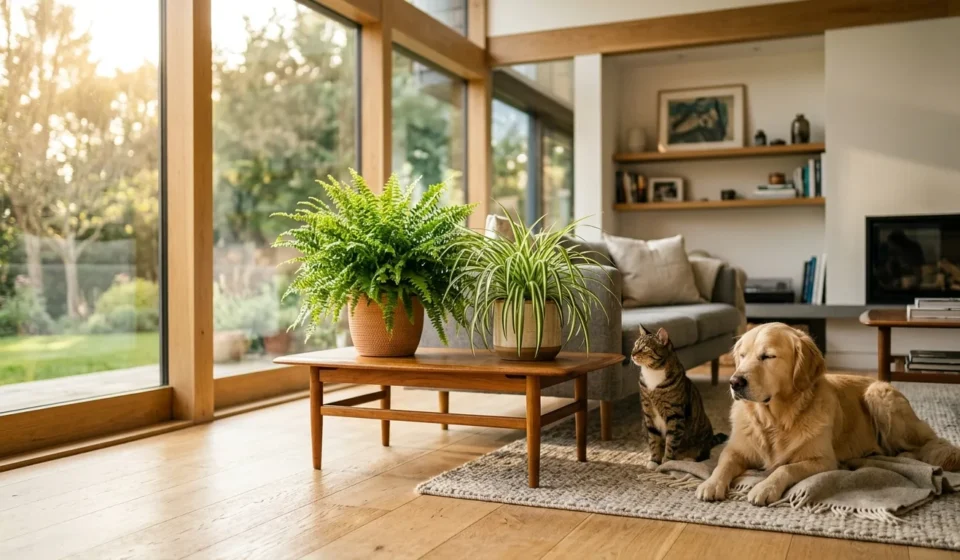
- Spider Plant (Chlorophytum comosum): A classic for a reason! Spider Plants are super easy to care for, produce adorable “spiderettes” that you can propagate, and are totally safe for pets. They thrive in bright to medium indirect light and prefer to dry out slightly between waterings.
- Boston Fern (Nephrolepis exaltata): Lush, green, and wonderfully textural, Boston Ferns are a fantastic way to bring a natural, forest feel indoors. They love humidity and bright, indirect light. Just make sure to keep their soil consistently damp, not soggy.
- African Violet (Saintpaulia spp.): If you want flowers that are safe for pets, look no further! These charming little plants produce beautiful blooms in various shades. They prefer bright, indirect light and bottom watering to keep their fuzzy leaves dry.
- Parlor Palm (Chamaedorea elegans): Want to add some tropical vibes? The Parlor Palm is elegant, relatively slow-growing, and completely non-toxic. It tolerates lower light conditions but truly thrives in medium indirect light. Allow the top inch of soil to dry before watering.
- Haworthia (Haworthia fasciata): For succulent lovers, Haworthia is a fantastic choice. These small, spiky succulents resemble miniature aloes but are perfectly safe for pets. They need bright light and infrequent watering, much like other succulents.
Smart Strategies for a Pet-Safe Green Home
Even with non-toxic plants, it’s a good idea to discourage pets from turning your greenery into a snack bar. Here are some tactics that have worked wonders for me:
Placement is Key (Even for Safe Plants)
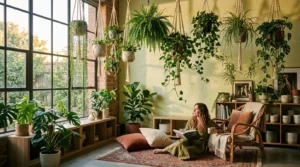
Think strategically about where your plants go. High shelves, hanging planters, or plant stands that are difficult for pets to access are your best friends. For instance, my cat can jump onto almost anything, so I opt for macrame hangers or tall, sturdy plant stands that don’t offer an easy launchpad. Consider pet gates to block off a “plant room” if you have a particularly persistent nibbler or a collection of plants you can’t move.
Deterring Nibblers
Sometimes, even with good placement, a curious pet might find a way. For ground-level plants or larger floor plants, consider these deterrents. You can place a layer of decorative pebbles or river rocks over the soil surface to prevent digging and discourage munching on fallen leaves. There are also pet-safe bitter sprays (like Grannick’s Bitter Apple) that can be applied to leaves to make them unappealing. Just be sure to test a small area first to ensure it doesn’t harm the plant. Another trick I’ve found helpful is providing alternative, pet-safe “chew toys” like cat grass (oats, wheat, rye) for cats or appropriate chew toys for dogs. This can redirect their attention to something they are allowed to nibble.
Soil & Potting Mix Safety
It’s not just the plant itself that can be an issue. Some pets are fascinated by the soil. Ingesting soil can cause mild upset, and if it contains chemical fertilizers or pesticides, it can be more serious. I always recommend using organic potting mixes, especially for plants accessible to pets. Also, keep an eye out for fungal gnats – those tiny flies that hover around soil. Some pets might try to eat them, which isn’t toxic but can be messy. You can manage gnats with sticky traps or by letting the top soil dry out more between waterings.
What If They Took a Bite? Quick Action Plan
Even with the best intentions and precautions, accidents can happen. If you suspect your pet has ingested a potentially toxic plant, don’t panic, but act quickly. Here’s what you should do:
- Identify the Plant: If possible, immediately figure out what specific plant or part of the plant your pet ate. Having the exact name is crucial for vets.
- Observe Your Pet: Look for symptoms like vomiting, diarrhea, lethargy, drooling, difficulty breathing, or irritation around the mouth.
- Contact a Professional: Call your veterinarian or an animal poison control center (like the ASPCA Animal Poison Control Center or Pet Poison Helpline) immediately. Have the plant’s name, your pet’s weight, and any observed symptoms ready. Do not wait for symptoms to worsen.
- Do NOT Induce Vomiting: Unless specifically instructed by a vet, never try to make your pet vomit. This can sometimes cause more harm depending on the substance ingested.
One common mistake I see plant parents make is assuming that if the pet isn’t showing immediate, severe symptoms, everything is fine. Some toxins have a delayed effect, so always err on the side of caution and make that call. It’s always better to be safe than sorry, and veterinarians are there to help.
Common Mistakes to Avoid
- Assuming a plant is safe: Just because a friend has a certain plant and their pet seems fine doesn’t mean it’s non-toxic or that your pet won’t react differently.
- Not checking the specific species: Sometimes, only certain varieties or parts of a plant are toxic. Always get the specific botanical name if possible.
- Ignoring mild symptoms: Even a little vomiting or lethargy can be a sign of something more serious. Don’t brush it off.
- Believing “all green is good”: While the allure of lush greenery is strong, remember that not all plants are created equal in terms of pet safety.
Quick “What to Do This Week” Takeaway
Take a few minutes this week to do a quick audit of your current plant collection. Cross-reference them with the ASPCA’s non-toxic list. For any plants that are potentially toxic, consider moving them to inaccessible areas or rehoming them. Then, start making a wish list of some of the fantastic pet-friendly plants we discussed today to safely greenify your home even more. Your pets (and your peace of mind) will thank you!
Creating a beautiful, thriving indoor garden doesn’t have to come at the expense of your pet’s safety. With a little awareness and the right choices, you can cultivate a peaceful, green oasis where both your plants and your furry companions can flourish side-by-side. Happy planting, and here’s to a worry-free green home for everyone!
Frequently Asked Questions
What happens if my pet ingests a toxic houseplant?
If your pet ingests a toxic houseplant, it can cause a range of symptoms from mild gastrointestinal upset, such as vomiting and diarrhea, to severe issues like organ damage or even death. It's essential to seek veterinary care immediately if you suspect your pet has ingested a toxic plant. The severity of the symptoms depends on the type of plant, the amount consumed, and the size and sensitivity of your pet.
How can I choose pet-friendly houseplants?
To choose pet-friendly houseplants, you can consult the ASPCA's comprehensive and searchable database of toxic and non-toxic plants. This database is considered the gold standard for verifying the safety of plants for common household pets like cats and dogs. You can quickly search their list to ensure the plant you're considering is non-toxic to your furry friends.
What are some examples of pet-friendly houseplants?
Some examples of pet-friendly houseplants include the Prayer Plant, Spider Plant, and Boston Fern. These plants are not only non-toxic to pets but also easy to care for and add a touch of natural beauty to your home. The Prayer Plant is known for its vibrant, patterned leaves, while the Spider Plant is a classic choice that's easy to propagate and care for. The Boston Fern, on the other hand, brings a lush, forest feel to your space with its green, textural foliage.
Why is it important to choose pet-friendly houseplants?
Choosing pet-friendly houseplants is crucial for the health and safety of your pets. Many common houseplants contain compounds that can be toxic to cats and dogs, causing a range of symptoms from mild to severe. By selecting pet-friendly plants, you can create a safe and peaceful environment for both you and your furry family members, giving you peace of mind and reducing the risk of costly emergency vet visits.
How can I prevent my pets from nibbling on houseplants?
To prevent your pets from nibbling on houseplants, it's essential to choose plants that are non-toxic and place them out of reach. You can also try distracting your pets with toys or treats when they show interest in plants. Additionally, keeping your plants in a separate room or using plant covers can help deter curious pets. Moderation and smart placement are key to keeping both your plants and pets safe and happy.