There’s nothing quite as disheartening as discovering unwelcome guests on your beloved houseplants. One day your Monstera deliciosa is flourishing, and the next you spot tiny, uninvited creepy-crawlies making themselves at home. Don't panic! Almost every plant parent has faced this challenge. The good news is that with the right knowledge and tools, you can effectively identify, treat, and prevent most common houseplant pests without resorting to harsh chemicals or complicated routines.
Understanding the Enemy: Common Houseplant Pests
Before you can fight a battle, you need to know who you’re up against. Identifying the specific pest is the first and most crucial step in effective houseplant pest control. Each pest has its preferred hiding spots, typical damage patterns, and specific weaknesses. Getting this right saves you time and ensures your treatment is effective.
Honestly, most plant pests are tiny and can be hard to spot until their numbers grow. Make a habit of regularly inspecting your plants, especially the undersides of leaves, along stems, and in leaf axils where new growth emerges. A small magnifying glass can be incredibly helpful for this detective work. Here are the usual suspects you might encounter:
The Usual Suspects: How to Identify Each Pest
- Spider Mites: These almost microscopic pests are notorious for spinning fine webs, especially between leaves and stems. You might notice tiny yellow or white stippling (pinprick dots) on leaves, which is their feeding damage. Look for them on plants like Ficus lyrata or Calathea orbifolia.
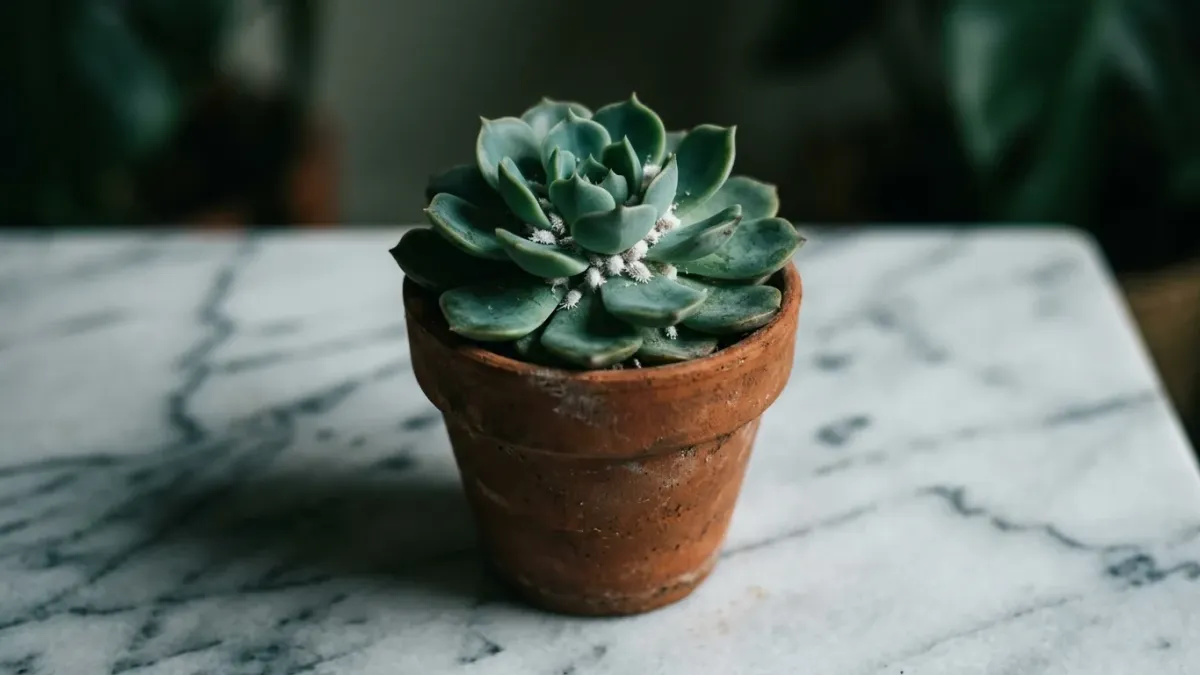
- Mealybugs: Easily recognizable by their white, cottony masses, often found in leaf axils, along stems, or on the undersides of leaves. They suck sap, causing yellowing, distorted growth, and sometimes a sticky residue called "honeydew." They love succulents and plants with lots of crevices.
- Aphids: Small, pear-shaped insects that can be green, black, yellow, or pink. They tend to cluster on new growth, buds, and the undersides of leaves, sucking plant sap. Like mealybugs, they excrete sticky honeydew. Roses and many flowering houseplants are common targets.
- Fungus Gnats: These tiny, dark, mosquito-like flies typically hover around the soil surface of your plants. While the adults are mostly a nuisance, their larvae live in the soil and feed on organic matter, and sometimes delicate roots, especially in consistently moist soil. They often appear on moisture-loving plants like ferns.
- Scale: These can be tricky as they often look like small, oval, brown or tan bumps on stems and leaves, often mistaken for natural plant features. They are sessile (immobile) once mature and protected by a hard, waxy shell. Like aphids and mealybugs, they excrete honeydew.
Integrated Pest Management: Your First Line of Defense
My approach to plant pest treatment is always holistic, starting with what we call Integrated pest management (IPM). This means using a combination of tactics, beginning with the least invasive, to keep your plants healthy and pest-free. Prevention is key here, but early detection is your next best friend.
For example, imagine this situation: You just brought home a stunning new Pothos plant from the nursery. Before you place it alongside your existing collection, I always recommend a period of quarantine. Keep the new plant separate for two to three weeks, giving you time to observe it for any hidden pests. This simple step can prevent a small problem on one plant from becoming an epidemic across your entire indoor jungle.
Essential Steps for Initial Pest Management
- Isolate the Infected Plant: As soon as you spot pests, move the affected plant away from its neighbors immediately. This prevents the pests from spreading to other plants.
- Give it a Shower: For many pests like spider mites and aphids, a strong blast of water from your showerhead (or garden hose if outside) can dislodge a significant number of them. Make sure to spray both the top and undersides of leaves.
- Manual Removal: For larger, more visible pests like mealybugs or scale, a cotton swab dipped in rubbing alcohol (70% isopropyl alcohol) is incredibly effective. Simply touch the swab to the pest; the alcohol dissolves their waxy coating. For fungus gnats, you can use yellow sticky traps to catch adults.
- Prune Affected Areas: If a leaf or stem is heavily infested, it's often best to simply prune it off and dispose of it in a sealed bag. This reduces the pest population instantly.
Targeted Treatments: How to Banish Specific Pests
Once you’ve taken the initial steps, it’s time for targeted action. This is where specific treatments come into play, chosen based on the pest you're battling. Remember, consistency is crucial for success.
Effective Solutions for Common Invaders
When it comes to pest control, a few natural remedies stand out as both safe and highly effective. My go-to options are typically neem oil and insecticidal soap. These are excellent broad-spectrum choices that generally won't harm your plants or pets when used correctly.
| Pest Type | Key Identification | Recommended Treatment Strategy |
|---|---|---|
| Spider Mites | Tiny dots, fine webbing, stippling on leaves | Shower plant, then spray thoroughly with neem oil or insecticidal soap every 5-7 days for 3-4 weeks. Increase humidity. |
| Mealybugs | White, cottony masses in crevices | Manual removal with alcohol-dipped cotton swab. Follow with neem oil spray, focusing on hiding spots. Repeat weekly. |
| Aphids | Small, pear-shaped, clustered on new growth | Blast with water to dislodge. Apply insecticidal soap or neem oil thoroughly every 3-5 days for 2 weeks. |
| Fungus Gnats | Tiny black flies hovering around soil; larvae in soil | Let soil dry out between waterings. Use yellow sticky traps for adults. Consider Bti (Bacillus thuringiensis israelensis) dunks in watering can. |
| Scale | Small, immobile brown/tan bumps on stems/leaves | Scrape off manually (fingernail/dull knife). Treat remaining with alcohol swab. Follow up with systemic neem oil (foliar spray) every 7-10 days. |
Neem Oil: This natural oil, derived from the neem tree, works as an antifeedant, growth disruptor, and suffocant for many soft-bodied insects. Always dilute neem oil concentrate with water and a tiny bit of mild dish soap (as an emulsifier) according to package directions. Spray your entire plant, making sure to coat both the top and bottom of leaves and all stems. Apply in the evening to avoid leaf burn from sunlight and ensure it dries before direct sun hits it.
Insecticidal Soap: This is essentially a specialized soap that works by breaking down the waxy cuticles of soft-bodied insects, causing them to dehydrate and die. It's an excellent choice for aphid control and spider mites. Mix according to instructions; many come ready-to-use. Apply thoroughly, covering all plant surfaces. Like neem oil, avoid applying in direct sunlight.
Preventing Future Infestations: The Best Defense
Once you’ve successfully banished the pests, the real challenge is keeping them away. Prevention is always easier than a cure, and it truly is the backbone of successful houseplant pest management. Healthy plants are naturally more resistant to pests, so good basic care is your best shield.
Key Preventative Measures
- Regular Inspections: Make it a weekly ritual. As you water or rotate your plants, take a moment to look closely. Early detection is a game-changer.
- Proper Watering: Overwatering creates damp, stagnant conditions that can attract fungus gnats, while underwatering can stress plants, making them vulnerable to spider mites. Use a moisture meter or feel the soil to water correctly.
- Adequate Humidity: Spider mites, in particular, thrive in dry conditions. Many houseplants, like your tropical Monstera or Calathea, appreciate higher humidity. Grouping plants, using pebble trays, or a humidifier can help.
- Good Air Circulation: Stagnant air can encourage pests and fungal issues. Ensure your plants aren't crammed together and consider a small fan in larger plant spaces.
- Cleanliness: Remove dead leaves and spent flowers promptly. These decaying materials can be breeding grounds for pests and diseases. Wipe down leaves regularly with a damp cloth to remove dust, which can also deter pests.
- Quarantine New Plants: I can't stress this enough. Always, always quarantine new additions for at least 2-4 weeks. This gives any hidden pests time to show themselves before they can spread to your entire collection.
Common Mistakes to Avoid in Pest Control
Even with the best intentions, it's easy to make a misstep when dealing with pests. I've been there myself, and learned a few things the hard way. Avoiding these common pitfalls will save you a lot of headache and potentially a few plants.
One of the biggest mistakes I see new plant parents make is panicking and over-treating. It’s natural to want to eliminate pests immediately, but applying too much product, too often, or using harsh chemicals when gentler methods would suffice can do more harm than good to your plant. Patience and consistency are your allies, not aggressive, one-off treatments.
What to Watch Out For
- Ignoring Early Signs: Waiting until an infestation is severe makes it much harder to control. Act at the first sign of trouble!
- Inconsistent Treatment: A single application of neem oil or insecticidal soap is rarely enough. Pests have life cycles, and you need to treat regularly to catch newly hatched eggs and break the cycle. Stick to the recommended weekly or bi-weekly schedule.
- Not Treating All Surfaces: Pests love to hide on the undersides of leaves and in crevices. If you don't thoroughly coat all parts of the plant, you'll leave survivors to re-infest.
- Using Harsh Pesticides Indoors: Chemical pesticides designed for outdoor use can be toxic and harmful to people and pets indoors. Stick to natural, houseplant-safe options like neem oil, insecticidal soap, or rubbing alcohol.
- Neglecting Proper Plant Care: A stressed plant is a weak plant. Ensure your plant has appropriate light, water, and humidity for its species. A strong, healthy plant can often fend off minor pest attacks on its own.
Frequently Asked Questions
What's the best first step for any pest?
The very best first step is to isolate the affected plant immediately. After isolation, give the plant a good rinse or shower to physically dislodge as many pests as possible before applying any treatments.
Is neem oil safe for all plants?
Neem oil is generally safe for most houseplants when used according to label directions. However, always test it on a small, inconspicuous leaf first and wait 24-48 hours to ensure there's no adverse reaction before treating the entire plant.
How often should I check for pests?
I recommend a quick, thorough check of all your houseplants at least once a week. Incorporate it into your watering routine so it becomes a regular habit, making early detection much more likely.
Keeping your houseplants happy and healthy, free from unwanted visitors, doesn't have to be a complicated battle. By understanding common pests, implementing a consistent inspection routine, and using targeted, safe treatments, you can maintain a thriving indoor jungle. Remember, every plant parent encounters pests, but with these tools from Easy Houseplant Care | Simple Indoor Plant Tips, you'll be well-equipped to manage any situation with confidence and ease. Your plants (and your sanity) will thank you!