The Unwelcome Guests: Identifying Common Houseplant Pests
There's nothing quite like the dread of spotting tiny, unwelcome guests on your beloved houseplants. It can feel like a personal attack, a sign of failure, but honestly, every plant parent has been there. Pests are a part of nature, and sometimes they find their way indoors. The key isn't to never have them, but to know how to spot them early, understand who they are, and then kick them out with confidence. Let's get acquainted with the most common culprits you might encounter.
Understanding who you're dealing with is the first, most crucial step in treatment. Misidentifying a pest can lead to ineffective remedies, wasting your time and potentially stressing your plant further. So, put on your detective hat, grab a magnifying glass if you have one, and let's learn how to tell these tiny invaders apart.
Spider Mites: Tiny Terrors & Their Webs
Spider mites are probably the most common houseplant pest, and also one of the trickiest to spot early. They’re miniscule, often reddish-brown or yellowish, and live on the undersides of leaves. The first sign you might notice is tiny yellow or white stippling—small dots—on the leaves where they've sucked out the plant's chlorophyll. As an infestation worsens, you'll see fine, delicate webbing, especially in the leaf axils or where the leaves meet the stems. They thrive in dry conditions, which is why they often appear during winter when our homes are heated and less humid.
Mealybugs: Cottony Culprits
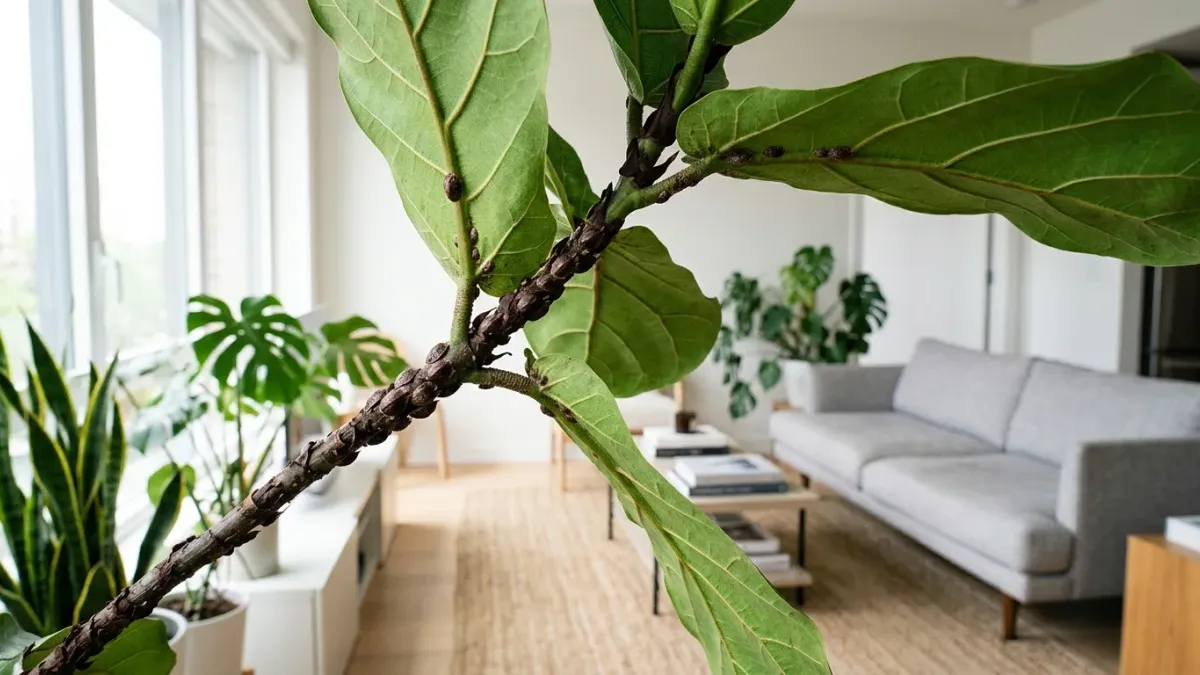
Mealybugs are easily identifiable by their distinctive appearance: white, cottony masses found in leaf axils, on stems, and on the undersides of leaves. These soft-bodied insects feed on plant sap, leading to stunted growth, yellowing leaves, and sometimes a sticky residue called honeydew. Honeydew can then attract sooty mold, a black fungal growth. They move slowly, but their ability to hide in crevices makes them persistent. I've found them to be particularly fond of succulents, citrus plants, and even some aroids like ZZ Plants.
Fungus Gnats: Annoying Aerial Acrobats
These tiny, dark flies are more of a nuisance to you than a direct threat to your mature plants, but their larvae can damage seedlings or plants with sensitive root systems. Fungus gnats are attracted to moist soil, where their larvae feed on decaying organic matter and sometimes delicate root hairs. If you see small, mosquito-like flies buzzing around your plant's soil, especially after watering, you likely have fungus gnats. They're a strong indicator that your soil is staying too wet for too long.
Aphids: Soft-Bodied Sap Suckers
Aphids are small, pear-shaped insects that can be green, black, brown, or even red. They tend to congregate on new growth, buds, and the undersides of leaves, feeding on plant sap. Like mealybugs, they excrete honeydew, leading to sticky leaves and potential sooty mold. Plants infested with aphids often show distorted, curled, or yellowed leaves and stunted growth. They can multiply rapidly, so early detection is key.
Thrips: Elusive Eaters
Thrips are slender, tiny insects, often black or brown, with fringed wings, though they can be hard to spot with the naked eye. They feed by rasping plant tissues and sucking up the oozing sap. Signs of thrips damage include silver or bronzed streaks on leaves, tiny black dots (their excretions, sometimes called "thrips poop"), and distorted new growth. They are fast-moving and can jump or fly, making them a challenge to control if not caught early. I find them particularly drawn to plants with delicate, softer leaves like Calatheas or even Ficus varieties.

Battle Plan: Effective Treatment Strategies
So, you've identified your foe. Now what? The good news is that most common houseplant pests can be managed with consistent effort and the right approach. Let's dive into actionable steps to reclaim your green space.
Honestly, the best defense is a good offense, but when pests do break through, immediate and thorough action is required. Don't panic; instead, empower yourself with these proven techniques. Remember, persistence pays off, and a single treatment is rarely enough.
Isolate & Inspect: First Steps
The moment you spot a pest, isolate the affected plant immediately. Move it away from all other houseplants to prevent the infestation from spreading. Next, do a thorough inspection of the entire plant: check the undersides of leaves, stems, soil surface, and even the pot itself. Are there more pests? Are other plants showing signs? This comprehensive check helps you understand the scope of the problem.
Mechanical Removal: Hands-On Approach
For small infestations, physical removal is incredibly effective. For example, imagine you spot a few mealybugs on your prized Fiddle Leaf Fig. You can gently wipe them off with a cotton swab dipped in rubbing alcohol (70% isopropyl alcohol). For spider mites and aphids, a strong spray of water in the shower or sink can knock many of them off. Just make sure to support the soil with your hand or cover the pot so it doesn't wash away. Repeat this every few days until you no longer see pests. Pruning heavily infested leaves or stems is also a valid strategy to reduce pest numbers quickly.
Natural Sprays & Solutions: Gentle Warfare
When physical removal isn't enough, or for more widespread issues, natural sprays are your next line of defense. My go-to options are neem oil and insecticidal soap.
- Neem Oil: This natural pesticide is derived from the neem tree. It works as an antifeedant, growth disruptor, and repellent. Mix 1-2 teaspoons of cold-pressed neem oil with 1 teaspoon of mild liquid soap (like Castile soap) per liter of water. Shake well and spray your entire plant, focusing on the undersides of leaves, until it's dripping wet. Apply every 5-7 days for 2-3 weeks, then periodically for prevention. Always test on a small leaf first to ensure no adverse reaction.
- Insecticidal Soap: This solution works by dissolving the protective outer layer of soft-bodied insects, dehydrating them. You can buy pre-mixed sprays or make your own by mixing 1-2 tablespoons of mild liquid soap (again, Castile soap is great) with 1 liter of water. Spray thoroughly, ensuring full coverage, especially on undersides of leaves. Repeat every 3-5 days for at least two weeks. This is particularly effective against aphids, mealybugs, and spider mites.
For mealybugs, those alcohol-dipped cotton swabs are a fantastic spot treatment. The alcohol instantly desiccates the bug. Just be careful not to oversaturate the plant or apply to delicate foliage.
Prevention is Key: Keeping Pests Away
Let's be real, dealing with pests is a chore. So, what if we could significantly reduce the chances of them appearing in the first place? Prevention is always easier than cure, and by incorporating a few simple habits into your routine, you can create an environment where pests are far less likely to thrive. So far we covered identification and treatment. Now let's get to the really critical point: stopping them before they start.
Based on my experience, a proactive approach saves countless headaches and ensures your plants remain vibrant and healthy. It's all about creating an inhospitable environment for pests, while keeping your plants happy.
Quarantine New Plants: Your First Line of Defense
This is arguably the most important preventive measure. Whenever you bring a new plant home, whether from a nursery, a friend, or a store, always quarantine it for at least 2-4 weeks. Keep it in a separate room or area, away from your existing collection. During this period, inspect it daily for any signs of pests. This simple step prevents a single infested plant from spreading problems to your entire indoor jungle. It's a small inconvenience for a huge peace of mind.
Proper Watering & Humidity: Creating an Unfriendly Environment
Many pests thrive under specific environmental conditions. Fungus gnats, for instance, are a tell-tale sign of overwatering because their larvae need consistently moist soil to survive. By letting the top 2-3 inches of soil dry out between waterings (and using a moisture meter if you're unsure), you make your soil less appealing to them. On the flip side, spider mites love dry, low-humidity conditions. Misting plants that appreciate humidity or using a pebble tray can deter spider mites by increasing localized humidity. I believe a good watering routine is the bedrock of pest prevention.
Regular Inspection & Cleaning: A Proactive Stance
Make a habit of regularly inspecting your plants. This means gently lifting leaves, checking undersides, and looking into crevices. The earlier you catch a pest problem, the easier it is to treat. While you're at it, periodically wipe down your plant's leaves with a damp cloth. This not only keeps them dust-free and allows for better photosynthesis but also physically removes any tiny hitchhikers before they can establish a colony. It's a simple, soothing ritual that pays dividends.
Good Air Circulation: A Breath of Fresh Air
Stagnant air can create an ideal breeding ground for various pests and fungal issues. Ensure your plants have good air circulation, especially if they are clustered together. If your space lacks natural airflow, a small oscillating fan can work wonders. This gentle breeze helps dry out leaf surfaces, making them less attractive to certain pests and reducing the likelihood of fungal diseases. Good air circulation is often overlooked but incredibly effective.

Common Mistakes & Quick Takeaways
Even with the best intentions, it's easy to make a few missteps when dealing with houseplant pests. Learning from these common errors can save you time, frustration, and your plants.
But what would you do in this situation if you felt overwhelmed? Remember, consistency and patience are your best tools. Here are a few things to avoid and a quick checklist for your week ahead.
Pitfalls to Avoid
- Ignoring Early Signs: Don't hope pests will just "go away." They won't. Small problems become big problems quickly.
- Inconsistent Treatment: A single spray of neem oil won't solve a problem. You need to follow through with repeated applications to break the pest life cycle.
- Over-Treating or Using Harsh Chemicals: More isn't always better. Stick to recommended dilutions for sprays, and avoid harsh chemical pesticides that can harm beneficial insects (if you have them) or your plant itself.
- Not Isolating Infested Plants: This is a cardinal sin! You'll just spread the problem around your entire collection.
- Forgetting About the Soil: Some pests, like fungus gnats, spend a crucial part of their life cycle in the soil. Don't forget to address this aspect of the plant's environment.
Your Weekly Pest Patrol Checklist
To keep your plants thriving and pest-free with minimal effort, here’s a quick “what to do this week” takeaway:
- New Plant Quarantine: If you bought a new plant, keep it separated and inspect it daily for the next 2-4 weeks.
- Routine Check: While watering, quickly glance at the undersides of leaves and stems on all your plants. Look for anything unusual.
- Wipe Down: Gently wipe dust off larger leaves with a damp cloth. This doubles as a mini-inspection!
- Address Moisture: Ensure you're not overwatering. Let the topsoil dry out, especially if you've had fungus gnats before.
- Spot Treat: If you spot a lone mealybug or a small cluster of spider mites, grab that alcohol swab or give the plant a quick shower. Early intervention is everything!
Dealing with houseplant pests can feel daunting at first, but with the right knowledge and a little consistent effort, you’ll become a confident pest manager. Remember, finding a pest isn't a failure; it's an opportunity to learn and show your plants some extra love and vigilance. On Easy Houseplant Care | Simple Indoor Plant Tips, we believe in making plant parenthood stress-free, and mastering pest management is a huge part of that. Keep these tips handy, stay vigilant, and enjoy your thriving, pest-free indoor jungle!