
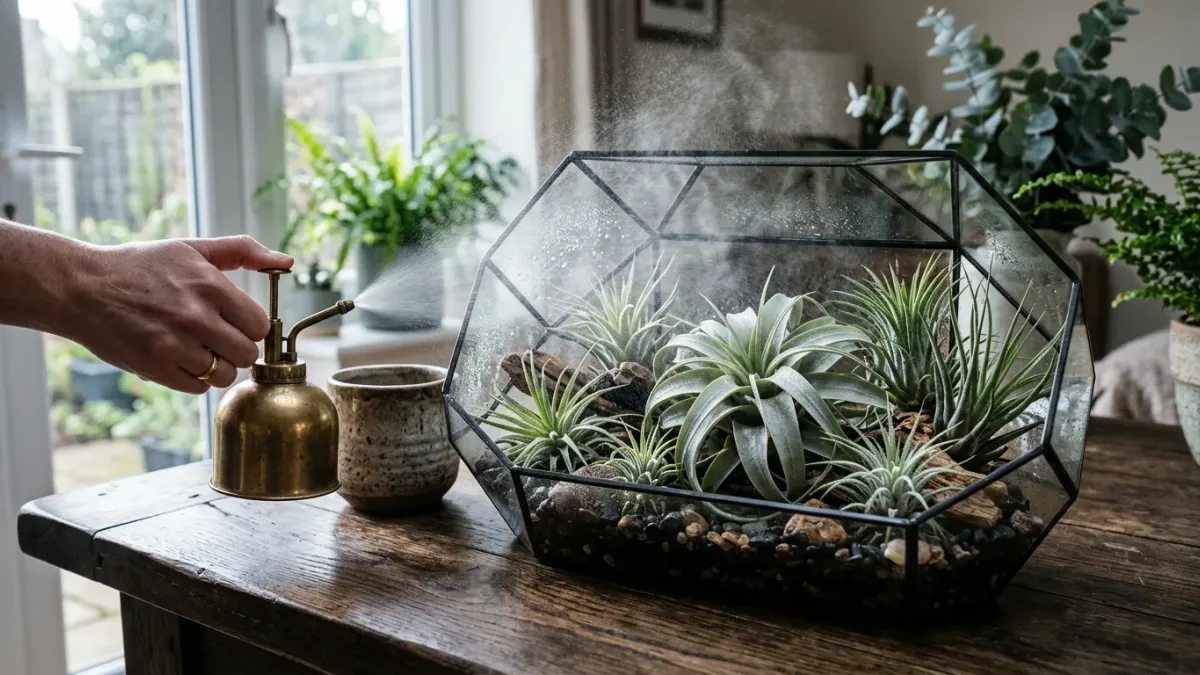
Air plants, or Tillandsias as they’re scientifically known, have soared in popularity for their unique charm and the promise of "easy" care. These fascinating epiphytes don't need soil, making them perfect for creative displays in any apartment or office. However, "easy" doesn't mean "no care," and many plant parents unwittingly make small mistakes that lead to lackluster or even dying air plants. If you've struggled to keep your Tillandsias vibrant, you're in the right place.
The Allure of Air Plants & Why They're Misunderstood
Tillandsias are truly remarkable plants. They absorb water and nutrients directly through their specialized leaves, which are often covered in tiny, fuzzy scales called trichomes. This unique adaptation allows them to thrive in environments where traditional potted plants simply can't, like perched on driftwood, nestled in a decorative bowl, or suspended in the air. Their low-maintenance reputation comes from their lack of soil, but this often leads to a false sense of security regarding their other needs.
Many new air plant owners assume that because these plants don't live in soil, they don't need much water or light, or that they can simply be forgotten. This couldn't be further from the truth! While they are forgiving, ignoring their fundamental requirements will inevitably lead to common issues like brown tips, curling leaves, or a soft, rotting base. Based on my experience and countless conversations with fellow plant enthusiasts, the key is understanding their specific needs, which are often different from your typical potted houseplant.
Unmasking the Top 10 Air Plant Care Mistakes (And How to Fix Them)
Let's dive into the most common pitfalls and, more importantly, how you can easily avoid them to ensure your Tillandsias flourish.
1. Under-Watering (The Silent Killer)
This is, without a doubt, the most frequent mistake I see. People hear "air plant" and think "no water needed." Air plants absolutely need water, and typically more than just a quick misting. Signs of under-watering include leaves curling inwards tightly, looking dull, or becoming crispy, especially at the tips.
The Fix: Implement a regular air plant watering routine. The best method is to soak your air plants. Submerge your Tillandsias completely in a bowl of water for 20-60 minutes once a week. In drier climates or during hot months, you might need to do this twice a week. Misting can be a good supplement for humidity but rarely provides enough hydration on its own.
2. Over-Watering & Poor Drying Habits
While under-watering is common, over-watering combined with improper drying is equally detrimental. If the base of your air plant remains wet for too long, it will rot, leading to a mushy, brown or black center. This is often irreversible. For example, imagine leaving a wet sponge in a dark, stagnant corner – it's going to get moldy and degrade quickly, right? The same principle applies here.
The Fix: After every soak, gently shake off excess water and place your air plant upside down on a towel or drying rack in a well-ventilated area. It's crucial that the plant dries completely within 2-4 hours. This prevents water from pooling in the crevices between the leaves, which causes rot. Good air plant care means attention to drying.
3. Insufficient Light Exposure
Many assume air plants need very little light. While they don't appreciate harsh direct sun, they still require plenty of bright indirect light to photosynthesize and grow. If your plant is getting leggy, has duller colors, or simply isn't growing, it might be craving more light.
The Fix: Place your air plant near a window that receives bright, filtered light throughout the day. East or west-facing windows are often ideal. A south-facing window can work if the plant is set back a few feet or has a sheer curtain to diffuse the intense light. Here’s a quick guide:
| Tillandsia Type | Ideal Light Level | Appearance Note |
|---|---|---|
| Green-leafed Tillandsias | Medium to bright indirect light | Smooth, vibrant green leaves; often prefer higher humidity |
| Silver-leafed Tillandsias (Xeric) | Bright indirect light, can tolerate some direct morning sun | Fuzzy, silvery leaves due to prominent trichomes; more drought-tolerant |
| Flowering Tillandsias | Bright indirect light for best blooms | Often show vibrant colors around flowering time |
4. Too Much Direct Sunlight
On the flip side, too much harsh, direct sunlight, especially through a window in the afternoon, can quickly scorch your air plant. You'll notice crispy, bleached, or brown spots on the leaves, almost like a sunburn.
The Fix: Move your plant away from intense, unshaded windows. If you only have south or west-facing windows, use sheer curtains or place the plant a few feet back from the glass. Remember, they thrive in the canopy layer of forests, where light is filtered.
5. Ignoring Humidity Needs
Air plants, especially the greener varieties, come from tropical and sub-tropical environments with naturally high humidity. Our indoor climates, especially with heating or air conditioning, can be very dry. Signs of low humidity often mimic under-watering: crispy leaf tips and a general lack of vibrancy. But what if your home is super dry, like mine often is in winter?
The Fix: Increase ambient humidity. You can group your air plants together or place them near other houseplants, as they release moisture into the air. A pebble tray with water (making sure the plant doesn't sit directly in the water) can help. For truly dry environments, a small humidifier placed nearby can work wonders to maintain optimal air plant humidity.
6. Using the Wrong Water
Believe it or not, the type of water you use makes a difference. Tap water, especially if it's "hard" or heavily chlorinated, can leave mineral deposits on your air plant's trichomes, potentially clogging them and hindering nutrient absorption. Fluoride is also a common culprit for causing brown tips.
The Fix: Opt for rainwater, distilled water, or filtered water. If you must use tap water, let it sit out for 24 hours to allow chlorine to dissipate. However, be aware that dissolved mineral salts (from hard water) won't evaporate, so these might still accumulate over time. I believe using rain or filtered water makes a noticeable difference in long-term plant health.
7. Forgetting to Fertilize (When Appropriate)
While air plants aren't heavy feeders, they do benefit from occasional fertilization during their active growing season (spring and summer). A lack of nutrients can lead to stunted growth and a general decline in health.
The Fix: Use a specialized air plant fertilizer or a balanced liquid fertilizer (like a 10-10-10) diluted to 1/4 strength. Apply it once a month during your regular soaking routine. Simply add the diluted fertilizer to the soaking water. Avoid fertilizers with urea nitrogen, as air plants can't process it efficiently.
8. Placing Them in Unsuitable Displays
Air plants are incredibly versatile for display, but some materials can be harmful. Copper wire, galvanized metal, or anything containing zinc can be toxic to Tillandsias, causing them to slowly decline and die. These metals corrode and release ions that are poisonous to the plants.
The Fix: Always use plant-safe materials for your displays. Think natural wood, ceramic, glass, plastic, or stainless steel. Ensure any display allows for good airflow around the plant, especially after watering. Avoid closed terrariums, which trap humidity and can lead to rot.
9. Not Understanding Their Life Cycle
Many new owners get worried when their air plant flowers and then starts to look less vibrant. This is a natural part of its life cycle! After blooming, an air plant focuses its energy on producing "pups" or offsets, and the "mother" plant will slowly decline over several months or even a year.
The Fix: Don't discard the mother plant immediately after flowering. Continue to care for it as usual. You'll soon see small pups forming at its base. Once these pups are about one-third to half the size of the mother plant, you can gently twist them off to create new individual plants or let them grow as a clump for a fuller display.
10. Neglecting Air Circulation
Good air circulation is vital for air plants, especially after watering. Stagnant air can prevent them from drying properly, leading to the dreaded rot we discussed earlier, and can also contribute to fungal issues. Remember, they are "air" plants for a reason!
The Fix: Ensure your air plants are in a location with good airflow. Avoid tucking them away in enclosed spaces without ventilation. If your home tends to be very still, a gentle ceiling fan or an open window can provide enough air movement to keep them happy and healthy.

What to Watch Out For: Early Warning Signs
Being able to spot early signs of distress is key to preventing long-term damage. If you notice your air plant's tips turning brown or crispy, it's usually a sign of under-watering or low humidity. If the base feels soft and looks discolored (black or dark brown), you likely have rot from over-watering or insufficient drying. A pale, washed-out color can indicate too much direct sun, while leggy growth might mean not enough light.
Addressing these issues promptly can often save your plant. For brown tips, increase watering frequency or humidity. For a soft base, immediately stop watering, ensure maximum airflow, and consider carefully removing any rotted parts, though this is often a difficult recovery. Adjusting light levels is usually a straightforward fix once you identify the problem.
Quick "What to Do This Week" Takeaway
To keep your Tillandsias thriving, here’s your actionable checklist for the week:
- Hydrate: Plan to soak your air plants for 30 minutes in filtered or rainwater at least once, maybe twice, this week.
- Dry Thoroughly: Immediately after soaking, turn them upside down and allow them to dry completely for 2-4 hours in a well-ventilated spot.
- Assess Light: Check if your air plants are getting bright, indirect light. Move them if they're in too much sun or too much shade.
- Boost Humidity: If your air feels dry, consider giving a light misting every few days or placing them near a humidifier.
- Inspect: Take a moment to look at your plants. Are the leaves firm? Is the base healthy? Address any issues you spot right away!
Frequently Asked Questions
How often should I water my air plant?
Most air plants thrive with a 20-60 minute soak once a week. In very dry conditions or during hot seasons, you might need to soak them twice a week. Always ensure they dry completely within 2-4 hours after watering.
Can air plants live in a closed terrarium?
No, air plants cannot live in a closed terrarium. They require excellent air circulation and prefer not to be constantly damp, which a closed terrarium would prevent. An open terrarium or display with plenty of airflow is crucial.
What causes air plant leaves to turn brown?
Brown or crispy leaf tips are most commonly caused by under-watering or low humidity. If the entire leaf or the base turns brown and mushy, it's usually a sign of rot from over-watering combined with insufficient drying.
Mastering air plant care truly isn't complicated once you understand their unique needs. By avoiding these common mistakes and implementing a simple, consistent routine, you'll be well on your way to enjoying healthy, vibrant Tillandsias for years to come. Remember, they're not "no-care" plants, but with a little attention to their specific preferences, they're some of the most rewarding and easy-to-grow companions for any indoor space, perfectly fitting the ethos of Easy Houseplant Care | Simple Indoor Plant Tips.