
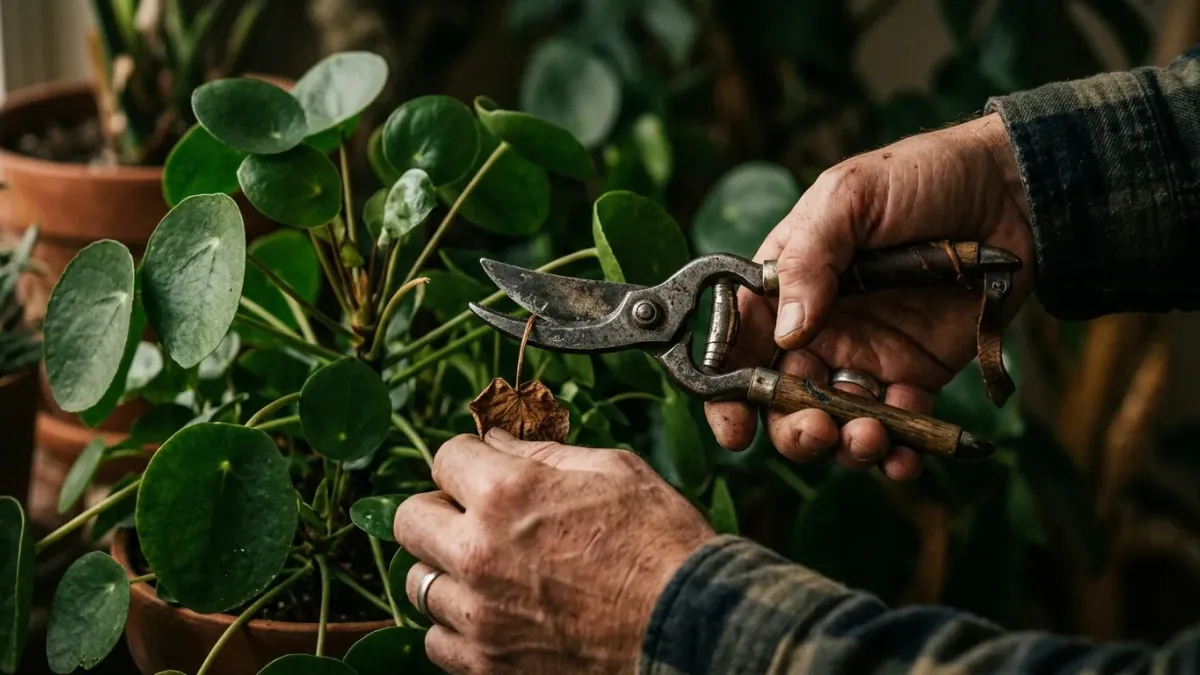
As an urban horticulturist who has shepherded countless houseplants from struggling saplings to magnificent specimens, I've learned that one of the most misunderstood, yet powerful, tools in our plant care arsenal isn't a fancy fertilizer or a high-tech grow light. It's the humble act of pruning. Many plant parents, especially those new to the indoor jungle, view pruning with trepidation, fearing they'll harm their green companions. But what if I told you that strategic pruning isn't just about aesthetics; it's a profound act of care that directly contributes to your plant's long-term health, vigor, and resilience?
At Easy Houseplant Care, our mission is to simplify the complex and make thriving indoor plants accessible to everyone. Today, we're diving beyond the common notion of pruning solely for "bushier growth." Instead, we'll explore how thoughtful, strategic cuts can actually bolster your plant's internal strength, prevent common problems, and even act as a troubleshooting method for ailing greenery. Think of it less as a "haircut" and more like a carefully planned intervention designed to unlock your plant's full, healthy potential.
The 'Why' of Strategic Pruning: Cultivating Inner Strength
When we talk about strategic pruning, we're focusing on the physiological benefits that make your plant healthier from the inside out. It's about empowering your plant to allocate its energy wisely, fortify its structure, and fend off issues before they take root. Here's how:
Redirecting Energy for Peak Vigor
Every plant has a finite amount of energy to expend on growth. When a plant is allowed to grow unchecked, it often sends resources to areas that aren't contributing to its overall health or desired form. This is particularly true for what's known as apical dominance, where the main, terminal bud (the tip of a stem) grows most rapidly, often at the expense of side shoots lower down. By strategically removing this apical bud, you're signaling the plant to reallocate its energy. Instead of pouring all its strength into one long, often leggy, stem, it redirects that vital energy to dormant buds (called nodes) further down the stem. The result? Not just "more" growth, but often stronger, more robust new branches that contribute to a denser, healthier plant structure.
For example, a leggy Pothos with long, bare sections between leaves might look sparse. A strategic cut encourages branching from the nodes, leading to a cascade of new foliage that's not only fuller but also healthier because energy is distributed more evenly.
Enhancing Structural Integrity and Preventing Floppiness
Many popular houseplants, like certain Ficus elastica (Rubber Plant) varieties or larger Monstera deliciosa, can become top-heavy or develop weak, sprawling branches without intervention. Strategic pruning can guide their growth, encouraging stronger, more upright stems that can support their own weight. By removing weak or crossing branches, you prevent future breakage and ensure the plant develops a sturdy framework. This isn't just about aesthetics; a structurally sound plant is less prone to damage and can better withstand environmental stresses.
Improving Air Circulation and Disease Prevention
A dense, overcrowded plant canopy can be a breeding ground for fungal diseases and encourage pest infestations. Stagnant, humid air trapped within a thick mass of leaves provides ideal conditions for pathogens to thrive. Strategic pruning—thinning out inner growth or removing congested leaves—improves airflow throughout the plant. This simple act reduces humidity around the foliage, making it a less hospitable environment for common issues like powdery mildew or spider mites. For plants like Calathea or Peace Lilies, which appreciate humidity but can suffer from fungal spots in poor airflow, this is a game-changer.
Removing Damaged, Diseased, or Pest-Infested Material
This is perhaps the most immediate and critical health benefit of pruning. Any yellowing, browning, mushy, or otherwise compromised foliage or stems are an energy drain on your plant. They're also potential entry points for diseases or hideouts for pests. Swiftly removing these parts allows your plant to redirect its energy to healthy growth and prevents potential issues from spreading. Think of it as plant surgery: precise, clean cuts to isolate and eliminate the problem, safeguarding the rest of the plant.
Your Pruning Toolkit: Precision and Sterilization for Plant Health
Just as a surgeon wouldn't operate with a dull, dirty scalpel, a plant parent shouldn't prune with suboptimal tools. The right equipment, used correctly, minimizes stress on your plant and ensures a clean, swift recovery.
The Essential Snips: Sharpness is Key
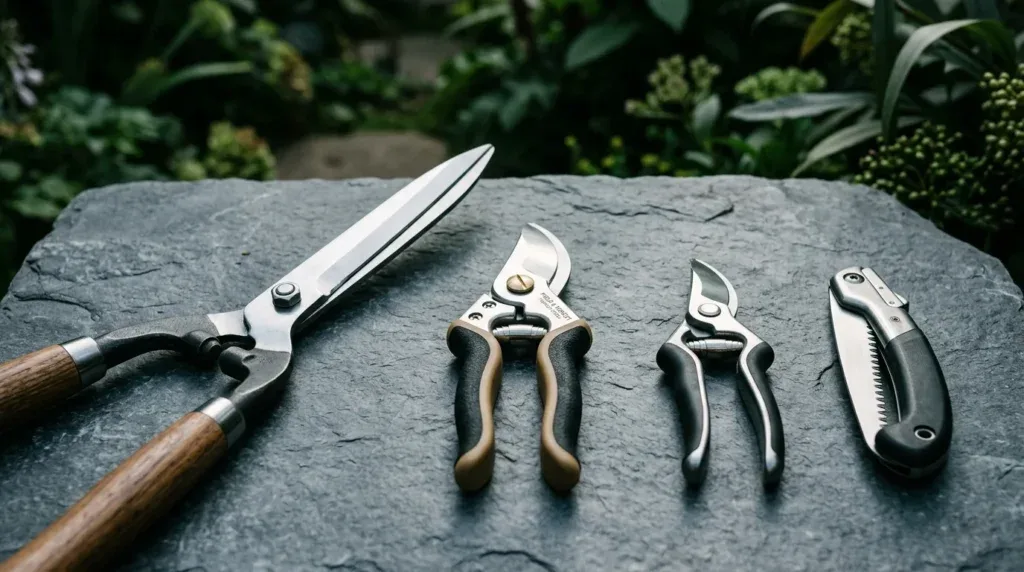
- Bypass Pruners: For thicker stems (like those on a mature Monstera or Ficus), bypass pruners are ideal. They work like scissors, with two blades that bypass each other, creating a clean, precise cut that minimizes damage to plant tissue.
- Precision Snips/Scissors: For smaller, more delicate stems, leaves, or fine-tuning, a sharp pair of dedicated plant snips or even clean craft scissors will do.
Why sharpness matters: Dull tools crush plant tissue, creating ragged wounds that are slow to heal and act as open invitations for bacterial or fungal infections. Sharp blades make quick, clean cuts, allowing the plant to recover much faster.
The Sterilization Protocol: Non-Negotiable
This is where many beginners (and even some experienced plant parents) falter. Sterilizing your tools *before and after* each use, and especially when moving from one plant to another, is crucial. Why? Because diseases and pests can easily hitch a ride on unsterilized blades. Imagine pruning a plant with a fungal spot, then using the same tool on a healthy plant – you've just spread the infection!
- Rubbing Alcohol (70% isopropyl alcohol): The easiest and most effective sterilizer. Simply wipe down your blades thoroughly with an alcohol-soaked cotton ball or cloth. Let it air dry for a few seconds.
- Bleach Solution (1 part bleach to 9 parts water): An alternative, but requires rinsing to prevent bleach residue from harming plants. Alcohol is generally preferred for ease of use.
Make this a habit: Snip, wipe, snip. Your plants will thank you.
How to Prune for Resilience: Step-by-Step Techniques
Ready to make those strategic cuts? Here’s how to approach different pruning scenarios with your plant's health in mind.
1. The "Clean Sweep": Removing Weak or Damaged Growth
This is your first line of defense against declining plant health. Regularly inspect your plants for leaves or stems that are:
- Yellowing or Browning: Especially older, lower leaves that are naturally dying back, or leaves showing signs of stress.
- Crispy or Dried Out: Indicating underwatering or very low humidity.
- Mushy or Waterlogged: Often a sign of overwatering or root rot.
- Discolored with spots or unusual textures: Potential disease or pest damage.
How to cut: For individual leaves, follow the leaf stem (petiole) back to the main stem and snip it cleanly as close to the main stem as possible without damaging the stem itself. For damaged sections of a stem, cut back to a healthy node or entirely remove the affected stem at its base if it's beyond saving. Always cut at a slight angle to prevent water from pooling on the cut surface.
Example: A Calathea with a few crispy leaf edges or a Peace Lily with yellowing outer leaves. Removing these allows the plant to focus energy on new, vibrant foliage.
2. The "Structural Trim": Building a Strong Foundation
This technique prevents legginess, encourages robust branching, and helps your plant maintain a manageable, attractive form. It’s about guiding the plant’s growth rather than letting it sprawl.
How to cut: Identify stems that are becoming too long, bare, or are making the plant unbalanced. Locate a node (the bump where a leaf or branch emerges) on that stem. Make your clean, angled cut about ¼ inch above a node that is facing the direction you want new growth to emerge. By cutting above a node, you signal the dormant buds there to activate and produce new shoots. For vining plants, you can cut back to any desired length, always above a node.
Example: A Heartleaf Philodendron that's getting too long and sparse. Cutting back a long vine above a node with a healthy leaf encourages it to branch out, creating a fuller plant.
3. The "Pest & Disease Intervention": Surgical Strikes
If you discover a localized pest infestation (like a cluster of mealybugs on a single stem) or a fungal spot that hasn't spread widely, pruning can be a rapid and effective solution.
How to cut: Isolate the affected part. Using your sterilized snips, cut well below the visible infestation or disease, ensuring you remove all compromised tissue. Dispose of the removed material immediately (don't compost it near other plants!). Afterward, treat the remaining plant with an appropriate organic pest deterrent like neem oil spray, following product instructions.
Example: A small section of a Snake Plant with a suspicious mushy spot. Cut it out before it spreads to the entire rhizome.
4. The "Revitalization Cut": For Overgrown or Struggling Plants
Sometimes, a plant is so overgrown, leggy, or generally struggling that a more aggressive approach is needed. This is often called "hard pruning" or "rejuvenation pruning."
How to cut: For plants like ZZ Plants or Sansevieria that grow from rhizomes, you might cut back entire stems to the soil line. For woody-stemmed plants, you might cut back drastically to encourage a fresh flush of growth from the base. This should only be done on healthy plants that are simply overgrown, or plants that are struggling severely but still have a healthy root system. Ensure the plant is in its active growing season (spring/early summer) and provide optimal conditions post-pruning to aid recovery.
Post-pruning care: After any significant pruning, reduce watering slightly until new growth appears, as the plant has fewer leaves to transpire moisture. Once new growth begins, a diluted balanced liquid fertilizer (e.g., a 5-5-5 or 10-10-10 at half strength) can provide a beneficial boost. Ensure the plant receives ample bright, indirect light to fuel recovery.
When to Prune & Common Pitfalls to Avoid
Optimal Timing for Pruning for Health
The best time for most strategic pruning is during your plant's active growing season, which is typically spring and early summer. This is when the plant has the most energy to recover from cuts and push out new growth. Avoid heavy pruning during dormancy (fall/winter) or when the plant is already under stress (e.g., immediately after repotting, during a pest battle, or when recovering from severe underwatering).
Common Pruning Mistakes to Steer Clear Of
- Using Dull or Dirty Tools: As discussed, this is a recipe for plant stress and disease. Always use sharp, sterilized tools.
- Cutting Too Much at Once: While revitalization pruning exists, for general health maintenance, aim to remove no more than 20-25% of the plant's foliage at any one time. Over-pruning can shock the plant and hinder its recovery.
- Ignoring Nodes: Randomly hacking a stem without considering node placement will often result in a messy, unhealthy cut that struggles to heal or produce new growth. Always cut above a node.
- Pruning a Stressed Plant: A plant already struggling with pests, disease (unless you are surgically removing the infected parts), or environmental issues needs care, not a major trim. Address the underlying problem first.
- Disposing of Pruned Material Improperly: Especially if you're removing diseased or pest-ridden parts, ensure they go directly into the trash, not your compost pile or near other healthy plants.
Strategic pruning is an art, but it's also a science rooted in understanding your plant's biology. By embracing these techniques, you're not just shaping your plant; you're actively participating in its health journey, encouraging robust growth, and building a more resilient, vibrant indoor garden. It’s a truly rewarding aspect of plant parenthood!
Quick "What to Do This Week" Takeaway
Grab your sharpest snips and a bottle of rubbing alcohol. This week, dedicate 10 minutes to inspecting each of your houseplants. Look for any yellowing, browning, or unhealthy leaves/stems. Sterilize your snips, make clean, angled cuts just above a node or at the base of the leaf stem, and remove that compromised foliage. This simple act of "cleaning house" will immediately redirect energy to healthier growth and give your plants a noticeable boost!