Ever wonder why some houseplants just seem to thrive effortlessly, while others struggle despite your best efforts? Often, the secret isn't in fancy fertilizers or elaborate watering schedules, but right beneath the surface: in their soil. The potting mix is literally the foundation for your plant's life, providing anchorage, nutrients, water, and essential air to the roots. Yet, many plant parents grab a bag of "all-purpose" soil and call it a day, unknowingly setting their green friends up for a challenging life.
But what if you could create the perfect environment for each of your plants, tailored to their unique needs? That's exactly what we're going to explore today. Crafting your own DIY potting mixes might sound intimidating, but honestly, it's one of the most rewarding steps you can take to become a truly successful plant parent. It allows you to control the crucial elements that lead to vigorous growth, prevent common problems like root rot, and unlock the full potential of your indoor jungle. Let's dive in and learn how to give your houseplants the gift of custom-made comfort!
Why Your Potting Mix Matters More Than You Think
Think of your houseplant's roots like its mouth and lungs. The soil is what delivers nourishment and allows it to breathe. A good potting mix does several critical jobs: it provides physical support, holds moisture without staying soggy, allows for proper airflow (aeration) to prevent root suffocation, and delivers nutrients. When you rely solely on generic, store-bought potting soil, you're often getting a mix that's too heavy, too dense, and retains too much water for many common houseplants.
For example, imagine this situation: You've just brought home a beautiful Monstera, known for its love of airy, well-draining soil. You repot it into a bag of standard potting mix. Over time, that dense soil compacts, stifling the roots and holding onto water for too long. Suddenly, your Monstera's leaves start yellowing, and you might even detect a musty odor – classic signs of root rot. This common issue arises when roots sit in stagnant, oxygen-deprived water, leading to fungal diseases and the eventual demise of your plant. A customized houseplant soil mix can prevent this entirely.
The goal is to replicate the plant's natural habitat as closely as possible. Desert cacti need vastly different conditions than a tropical fern. Understanding the importance of drainage and aeration, along with appropriate moisture retention, is fundamental. By combining different ingredients, you can engineer the ideal environment for any plant, promoting strong root health and vibrant foliage.
The Essential Building Blocks of a Great Potting Mix
To create your custom DIY potting mix, you'll need a few key ingredients. Think of these as your palette of textures and functions, allowing you to fine-tune your soil for specific plant needs. We'll categorize them by their primary role.
Base Ingredients (The Bulk)
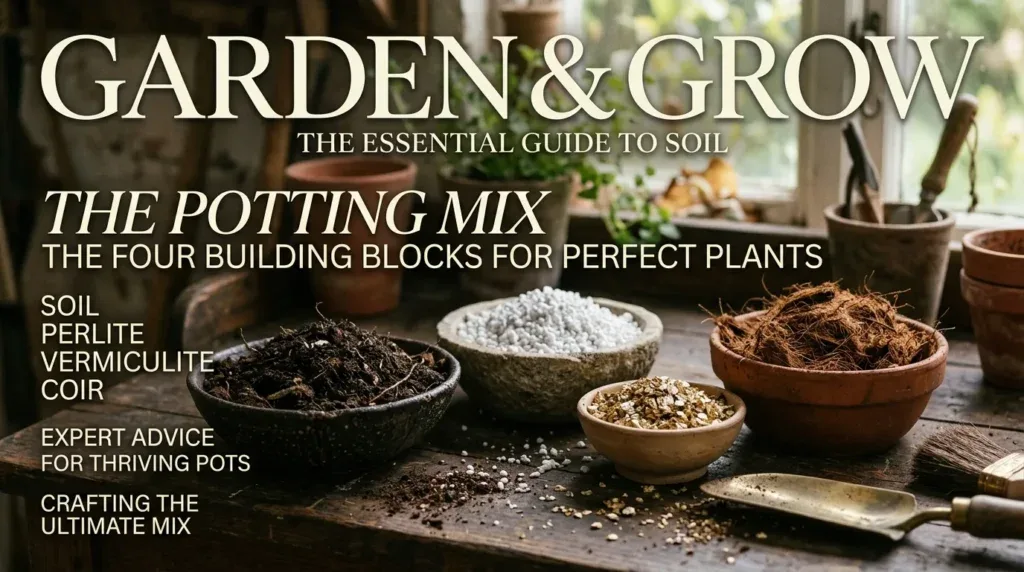
- Potting Mix (or Potting Soil): This serves as your foundational component. It typically contains peat moss or coco coir, perlite, and some fertilizer. While not perfect on its own, it offers a good starting point for nutrient content and some water retention. Look for a reputable brand that's specifically formulated for indoor plants.
- Coco Coir: My personal favorite for a base! Derived from coconut husks, coco coir is a sustainable alternative to peat moss. It’s fantastic for water retention but also offers good aeration, resisting compaction better than peat. It comes in bricks that need to be rehydrated, expanding significantly.
Aeration & Drainage Enhancers
- Perlite: These small, white, lightweight volcanic glass pebbles are crucial for improving drainage and aeration. Perlite prevents soil compaction by creating tiny air pockets, ensuring oxygen can reach the roots and excess water can escape quickly. It's a non-negotiable for most of my custom mixes.
- Pumice: Similar to perlite but heavier and less prone to floating to the top of the pot. Pumice is also volcanic rock and excels at improving drainage and aeration while holding a little more moisture than perlite. It's a great choice for succulents and cacti.
- Orchid Bark (Fir Bark): These larger, chunky pieces of bark provide excellent drainage and aeration, especially for plants that naturally grow on trees (epiphytes) like many aroids and orchids. The varying sizes create significant air pockets, mimicking a loose, forest floor environment.
Water Retention & Nutrient Boosters
- Vermiculite: A hydrated mineral that expands when heated, vermiculite looks like shiny, golden flakes. It has an incredible capacity to hold both water and nutrients, slowly releasing them to the plant. It also aids in aeration but to a lesser degree than perlite. It's great for seedlings and moisture-loving plants.
- Worm Castings: Nature's perfect fertilizer! These are essentially worm poop, rich in beneficial microbes and nutrients. Adding a small amount of worm castings to your mix provides a slow-release, organic nutrient boost, improving overall soil health and structure.
- Activated Charcoal: While not strictly essential for every mix, activated charcoal can help absorb impurities, odors, and improve drainage. It’s particularly useful for terrariums or plants sensitive to soil toxins, though I use it sparingly in general mixes.
DIY Potting Mix Recipes for Common Houseplant Types
Now for the fun part: mixing your own custom soil recipes! Here are some tried-and-true formulas based on my experience, perfect for different types of houseplants. Remember these are starting points; you can always adjust slightly based on your environment and specific plant.
The All-Purpose Aroid Mix (Monstera, Pothos, Philodendron, ZZ Plant)
Many popular houseplants, including Monstera deliciosa, Pothos, Philodendrons, Syngoniums, and even ZZ Plants, are aroids or thrive in similar conditions. They love a chunky, airy mix that drains well but still holds some moisture. This mix mimics their natural jungle floor environment, preventing compaction and promoting healthy root growth.
- 50% High-Quality Potting Mix (or Coco Coir)
- 20% Perlite (or Pumice)
- 20% Orchid Bark (medium to coarse grade)
- 10% Worm Castings (for nutrients)
Mix all ingredients thoroughly in a large tub or on a tarp. This blend provides excellent drainage and aeration while retaining enough moisture to keep these plants happy between waterings. The orchid bark is especially key here for creating those vital air pockets.
Succulent & Cactus Mix (Cacti, Succulents, Snake Plants)
These desert dwellers absolutely despise soggy feet. Their natural habitat is sandy, rocky, and fast-draining. Your custom succulent mix needs to reflect this, ensuring water rushes through quickly to prevent any chance of root rot. This recipe is designed for maximum drainage and minimal water retention.
- 60% Succulent & Cactus Potting Mix (specifically formulated for them, or standard potting mix)
- 30% Perlite or Pumice
- 10% Coarse Sand or Horticultural Grit (optional, for extra weight and drainage)
This incredibly fast-draining custom soil mix ensures that succulents like Echeveria, Haworthia, and cacti can dry out quickly, mimicking their arid environments. Even tough plants like Snake Plants (Sansevieria) and ZZ Plants appreciate this faster-draining blend, reducing the risk of overwatering.
Moisture-Loving Mix (Ferns, Calatheas, Fittonias)
Some plants crave consistent moisture but still need decent drainage to avoid becoming waterlogged. Think tropical understory plants that live in humid, rich soil. This mix aims for a balance: good moisture retention without sacrificing aeration.
- 50% High-Quality Potting Mix (or Coco Coir)
- 30% Coco Coir (if not used as base, or additional peat moss)
- 10% Perlite (for some aeration)
- 10% Vermiculite (for extra moisture retention and nutrient holding)
- A dash of Worm Castings for a nutrient boost.
This blend will stay moist longer, which is ideal for plants like Boston Ferns, Calatheas, and Fittonias that prefer consistently damp (but not wet!) soil. The perlite still prevents it from becoming overly dense, ensuring some vital oxygen exchange for the roots.

Mixing Tips & Common Mistakes to Avoid
Creating your own custom soil recipes is straightforward, but a few best practices will make the process easier and safer.
Best Practices for Mixing
Always work in a well-ventilated area, preferably outdoors or in a garage. Use a large, clean plastic bin, bucket, or even a tarp spread out on the floor for easy mixing. I always wear gloves to protect my hands and, if working with dry ingredients like perlite or coco coir (which can be dusty), a dust mask is a good idea to avoid inhaling fine particles. If you're using compressed coco coir, remember to rehydrate it fully before mixing, as it expands significantly.
Once you have all your ingredients measured, simply combine them and mix thoroughly until the components are evenly distributed. You're aiming for a consistent texture throughout the batch. Don't be afraid to get your hands dirty – it’s the best way to feel the texture and ensure everything is properly integrated.
Don't Make These Soil Blunders!
- Using Garden Soil: Never, ever use soil from your outdoor garden for houseplants. It's too dense, contains weed seeds, outdoor pests, and potential pathogens that don't belong indoors. Stick to sterile indoor potting components.
- Not Enough Drainage: This is the number one killer of houseplants. A soil mix that retains too much water without enough aeration leads to root rot. If you're unsure, err on the side of more perlite or bark, especially for beginner plant parents.
- Ignoring Plant-Specific Needs: While an "all-purpose aroid mix" covers many plants, forcing a succulent into a moisture-retaining fern mix is a recipe for disaster. Always consider your plant's natural habitat.
- Over-fertilizing Your Mix: While worm castings are great, don't go overboard with other fertilizers directly into the mix, especially if your base potting soil already contains some. You can always fertilize later when the plant is actively growing.
What to Do This Week: Your Potting Mix Action Plan
Ready to upgrade your plant game? Here's your actionable checklist:
- Inspect Your Current Plants: Gently feel the soil in your existing plant pots. Does it feel heavy? Does it stay wet for too long? Note which plants might benefit most from a repot into a custom mix.
- Gather Your Ingredients: Head to your local nursery or favorite online supplier. Pick up a good quality potting mix, coco coir, perlite, and orchid bark. Add worm castings for an extra boost.
- Choose Your First Project: Select one or two plants for a test run. Maybe a Pothos or a Snake Plant that's due for a repot.
- Mix and Repot: Follow one of the DIY potting mix recipes above. Repot your chosen plant, ensuring its roots are settled in its new, custom home.
- Observe and Learn: Pay attention to how your plant responds to the new mix. Does it dry out faster? Does it look perkier? This hands-on experience is the best teacher for improving your easy houseplant care skills.
Creating your own potting mixes is a significant step towards becoming a more confident and successful plant parent. It's an investment in your plants' long-term health and vibrancy, moving beyond generic solutions to truly tailored care. You'll not only see healthier roots and more vigorous growth but also gain a deeper understanding of what your plants truly need to thrive. So go ahead, get creative, and give your houseplants the gift of the perfect home – right down to their roots!