
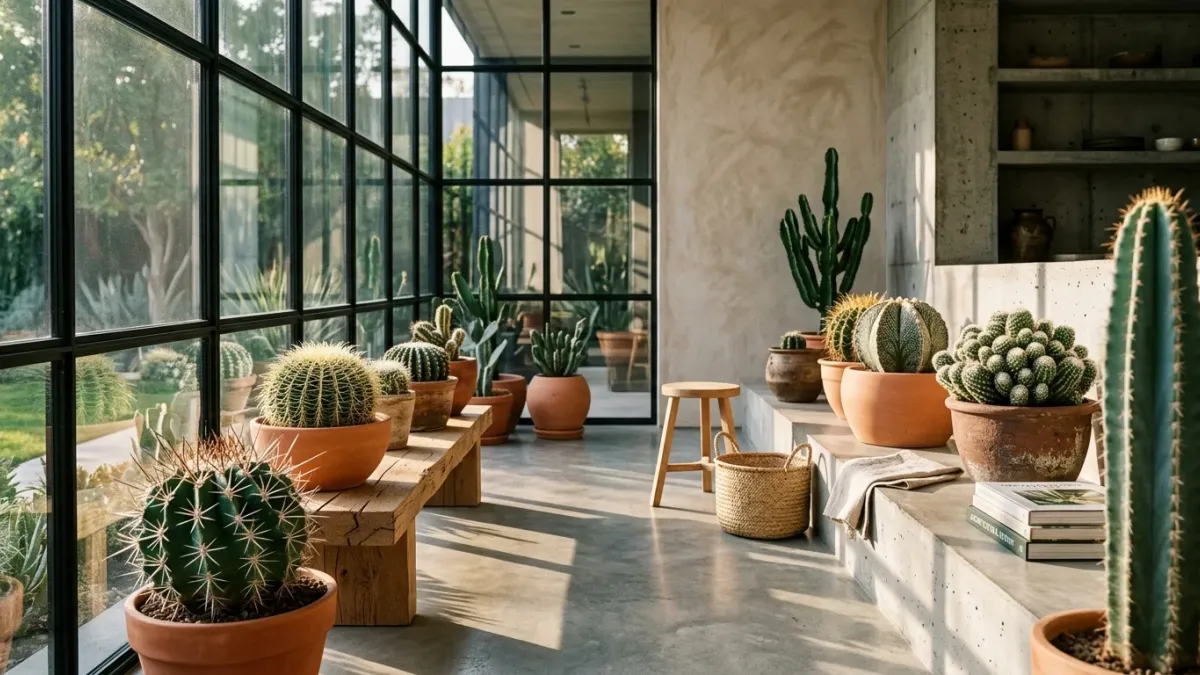
Those magnificent, often misunderstood desert dwellers we call cacti hold a special place in the hearts of houseplant enthusiasts. Far from being just "tough" or "set-it-and-forget-it" plants, they offer unique architectural beauty, intriguing textures, and, for many species, the delightful surprise of stunning, vibrant blooms. While their resilience is legendary, truly helping a cactus *thrive* indoors goes beyond just basic survival. It means understanding their specific needs and mimicking their natural arid environments with thoughtful, proactive care.
As an experienced urban horticulturist, I've seen countless cacti limp along, barely surviving, simply because their human companions hadn't yet cracked the code to their ultimate happiness. This guide isn't just about keeping your cactus alive; it's about providing the optimal conditions for it to flourish, grow strong, and even bless your home with those coveted flowers. Let's move beyond the basics and dive into cultivating truly robust and resilient indoor cacti.
Crafting the Ideal Habitat: Light, Airflow, and Temperature
The foundation of a truly thriving cactus lies in recreating a miniature desert environment within your home. This means being meticulous about light exposure, ensuring proper air circulation, and understanding the role of temperature fluctuations.
Unlocking the Power of Sunlight: Intensity is Key
Cacti are sun worshipers by nature. In their native habitats, they bask in unfiltered, intense sunlight for most of the day. For your indoor cactus, this translates to demanding the brightest spot you can possibly offer. While "bright indirect light" works for many tropical houseplants, most desert cacti crave *direct* sunlight.
- South-Facing Windows: These are generally the holy grail for desert cacti, providing several hours of direct, intense sunlight daily.
- West-Facing Windows: Also excellent, offering strong afternoon sun. Be mindful of potential overheating in very hot climates, but for most, this is a great option.
- East-Facing Windows: Provides gentle morning sun, which is good, but might not be intense or long enough for many high-light demanding cacti (e.g., larger columnar cacti like a Cereus peruvianus or a robust Opuntia).
- North-Facing Windows: Generally too dim for desert cacti.
How to assess light intensity: Don't just rely on your eyes. Place your hand between the window and your plant around midday. If you see a crisp, well-defined shadow, that's direct light. A softer, fuzzier shadow indicates bright indirect light. No shadow means low light – a definite no-go for most cacti.
Supplemental Grow Lights: If natural light is insufficient (common in apartments, especially during winter), a full-spectrum LED grow light is a game-changer. Look for lights specifically designed for high-light plants. Position them 6-12 inches above your cactus, providing 10-14 hours of supplementary light per day. I often recommend a Barrina T5 grow light for its affordability and effectiveness, especially for a collection.
Rotation: Even with optimal light, cacti will grow towards the source. To prevent lopsided growth and ensure an evenly developed plant (like a beautiful, symmetrical Mammillaria species), rotate your pot a quarter turn every 1-2 weeks.
The Importance of Airflow and Temperature Swings
Beyond light, airflow and temperature play crucial roles. Stagnant air can encourage fungal issues, especially after watering. Ensure good air circulation around your cacti – an open window or a small fan can help, especially in humid environments.
Cacti also benefit from a distinct temperature drop at night, mimicking their desert homes. While you don't need to put them outside every evening, avoid placing them near constantly warm heat vents. A cooler room (e.g., 60-65°F / 15-18°C at night) can actually encourage blooming in many species.
The Art of Thirsty Roots: Mastering Cactus Watering & Feeding
Here's where many well-intentioned plant parents stumble. Cacti are built for drought, not constant moisture. Understanding their unique hydration needs is paramount to preventing the dreaded root rot.
Precision Watering: The Deep Soak and Dry Method
Forget fixed schedules. The "when to water" rule for cacti is simple: wait until the soil is completely, utterly dry, then water thoroughly.
- Check for Dryness: Don't just check the surface. Stick your finger 2-3 inches deep into the soil. If it feels even slightly damp, wait. A moisture meter can be incredibly helpful here, providing an objective reading. For smaller pots, you can also lift the pot – a dry pot will feel significantly lighter than a recently watered one.
- Water Thoroughly: Once the soil is bone dry, water from the top until water streams freely from the drainage holes at the bottom of the pot. Ensure the entire soil ball is saturated.
- Empty Saucer: This is critical! Immediately empty any standing water from the saucer. Cacti despise sitting in soggy conditions, as this quickly leads to root rot – a fungal disease that suffocates and decomposes roots.
Seasonal Adjustments for Watering: This is often overlooked but vital. Cacti have distinct growing and dormant seasons:
- Growing Season (Spring & Summer): This is when your cactus is actively putting out new growth and potentially blooming. Water more frequently during this period, typically every 2-4 weeks, always adhering to the "completely dry" rule.
- Dormancy (Fall & Winter): Most desert cacti enter a period of rest when temperatures cool and daylight shortens. During dormancy, significantly reduce watering. You might only water once every 4-6 weeks, or even less, just enough to prevent the plant from shriveling excessively. Cooler temperatures during this period are essential for many species to initiate flowering in the spring.
Strategic Nutrition: Feeding Your Spiky Friends
While cacti are not heavy feeders, they do benefit from occasional fertilization during their active growing season. This supports robust growth and flowering.
- Type of Fertilizer: Use a balanced, low-nitrogen liquid fertilizer. A 5-10-5 or 1-7-6 ratio is often ideal for cacti and succulents, promoting flowering over excessive leafy growth.
- Dilution: Always dilute the fertilizer to half or even quarter strength of the manufacturer's recommendations. Cacti are sensitive to fertilizer salts.
- Frequency: Apply once every 4-6 weeks during the spring and summer growing season. Cease all fertilization during the fall and winter dormancy period.
The Foundation for Growth: Perfect Potting & Soil Science
A cactus is only as healthy as its roots, and happy roots depend entirely on the right pot and an impeccably draining soil mix. This isn't just about "cactus soil from the store"; it's about optimizing for air, drainage, and stability.
Choosing the Right Vessel: Terracotta and Drainage
The pot choice is more important than you might think:
- Terracotta Pots: These are my top recommendation for cacti. Unglazed terracotta is porous, allowing air and moisture to evaporate through its walls. This promotes healthier root aeration and helps the soil dry out faster, significantly reducing the risk of root rot.
- Drainage Holes: This is non-negotiable. Every pot *must* have at least one large drainage hole. Never use a pot without drainage for a cactus. If you love a decorative pot without holes, use it as a cachepot (a decorative outer pot) and keep your cactus in a well-draining nursery pot inside.
- Pot Size: Cacti generally prefer to be a bit root-bound. Choose a pot that is only slightly larger than the plant's current root ball – typically 1-2 inches wider than the current pot diameter for most cacti. Too large a pot holds excess soil and moisture, leading to problems.
The Science of Super-Draining Soil Mixes
This is arguably the most critical aspect of long-term cactus health after light. Standard potting soil holds too much moisture for too long, a death sentence for cacti. You need an "extremely fast-draining" mix.
My Recommended DIY Cactus & Succulent Soil Recipe:
- 50% High-Quality Potting Mix: Choose a reputable brand that's peat or coco coir-based, without excessive moisture-retaining additives. This provides the organic matter and basic nutrients.
- 30% Perlite or Pumice: These lightweight, porous volcanic rocks dramatically improve drainage and aeration. Pumice is often preferred as it doesn't float to the top as much as perlite.
- 20% Coarse Sand or Small Gravel/Crushed Granite: Horticultural coarse sand (not play sand!) or fine gravel (like chicken grit) adds weight and further enhances drainage. Orchid bark chips (small grade) can also be used for extra aeration.
Mix these components thoroughly. The resulting mix should feel gritty and drain almost instantly when watered, with no clumping or sogginess. This custom blend ensures roots can breathe and excess water quickly exits the pot.
Repotting for Robust Growth
Cacti don't need frequent repotting, but when they do, it's a chance to refresh their soil and check their root health.
- When to Repot: Repot every 2-4 years, or when you notice roots growing out of the drainage holes, the plant becoming top-heavy, or growth slowing significantly despite good care.
- Best Time: Early spring, just as the plant is emerging from dormancy and starting its active growth cycle.
- How to Repot Safely:
- Protection: Wear thick gardening gloves. For spiny cacti, use folded newspaper or a towel to gently cradle the plant without getting pricked.
- Remove from Pot: Gently tip the pot and ease the cactus out. Loosen any circling roots at the bottom.
- Inspect Roots: Trim any dead, mushy, or unhealthy roots.
- New Pot & Soil: Add a layer of your custom soil mix to the new pot (only 1-2 inches larger than the old one). Center the cactus and backfill with more soil, gently tamping it down to remove large air pockets. Leave about half an inch of space from the rim.
- Post-Repotting Care: Do NOT water immediately after repotting. Wait at least a week to allow any damaged roots to heal, preventing potential fungal infections. Keep it in a slightly shadier spot for a few days before returning it to its usual bright location.

Common Challenges & Seasonal Specifics for Cactus Success
Even with the best care, sometimes issues arise. Knowing what to look for and how to react quickly can save your spiky friend. Understanding the seasonal rhythms of your cactus is also key to preventing problems.
Troubleshooting Common Cactus Woes
- Mushy, Soft, or Discolored Base/Stems: This is the classic sign of overwatering and root rot.
- Action: Immediately unpot the cactus. Inspect roots – if mushy and brown, cut away all affected parts with a sterile knife. If there's any healthy green tissue left, allow the cut end to callus (dry and harden) for several days to a week, then attempt to propagate in dry soil. Discard heavily rotted plants.
- Pale, Stretched, or Leggy Growth (Etiolation): The plant is desperately reaching for light, common in columnar cacti like an etiolated Opuntia microdasys.
- Action: Move your cactus to a much brighter location with more direct sunlight. While the stretched growth won't revert, new growth will be compact and healthy. You can prune off severely etiolated sections if desired, allowing the plant to branch or grow healthier new segments.
- Wrinkled, Shriveled, or Deflated Appearance: Often a sign of severe underwatering.
- Action: First, confirm the soil is bone dry. If so, give it a thorough, deep watering. If the plant doesn't plump up within a few days, check for root rot (even underwatered plants can get it if they were previously overwatered or soil is too dense) or check for pests.
- Brown, Crusty Spots or Scabs: Can be sunburn (if moved too quickly into intense light), fungal issues (poor airflow, high humidity), or pests like scale.
- Action: Assess light exposure – gradually acclimate new plants. Improve airflow. For pests, treat with neem oil spray or dab with rubbing alcohol on a cotton swab.
Pest Patrol: Keeping Intruders at Bay
Cacti are relatively pest-resistant, but they can occasionally fall victim to common houseplant pests.
- Mealybugs: These fuzzy, white, cotton-like insects often hide in crevices or at the base of spines.
- Action: Dab individual pests with a cotton swab dipped in rubbing alcohol. For larger infestations, use insecticidal soap or neem oil spray, ensuring to get into all the nooks and crannies.
- Spider Mites: Tiny red or brown mites that create fine webbing, usually in dry, low-humidity conditions.
- Action: Increase humidity if possible, wipe down the plant with a damp cloth, or use neem oil.
Embracing Winter Dormancy for Spring Blooms
This is the secret weapon for many cactus enthusiasts who want to see their plants bloom. Most desert cacti require a cool, dry, dormant period to prepare for flowering in spring.
- Temperatures: Aim for cooler temperatures, ideally between 45-60°F (7-15°C), from late fall through early spring. A cooler spare room or unheated sunroom is perfect.
- Reduced Watering: Drastically cut back on watering. The soil should be completely dry for weeks, even months, at a time. A light misting might be enough for some, or no water at all.
- No Fertilizer: Cease all fertilization during dormancy.
- Bright Light: Continue providing as much bright light as possible, even during dormancy.
By giving your cactus this crucial rest period, you're mimicking its natural environment and signaling it's time to gather energy for its spectacular spring performance.
Quick "What to do this week" Takeaway
This week, reassess your cactus's light situation. Is it getting enough *direct* sun? Consider rotating it a quarter turn. Gently lift its pot to check its weight – if it feels surprisingly light, and the soil is completely dry, it might be time for a deep soak. If not, enjoy its spiky splendor and keep it on its dry, bright schedule!