Disclosure: As an Amazon Associate, we earn from qualifying purchases.
Successful house plant care relies on matching four fundamental factors: providing appropriate light levels, watering only when the soil moisture demands it, using a well-draining soil mix, and feeding during active growth periods. By evaluating your space's natural light and establishing an easy routine, you can keep even the most popular indoor plants vibrant year-round without complex schedules or expensive tools.
Understanding Light Requirements for Indoor Plants
Light is the fuel for photosynthesis, yet light levels inside homes vary dramatically based on window direction and room layout. To give your houseplants the right setup, it helps to understand standard light classifications:
- Bright Indirect Light: Direct sunlight is filtered through a sheer curtain, or the plant sits 2 to 4 feet away from an unobstructed south- or west-facing window. Foot-candle measurements usually range between 1,000 and 2,500 foot-candles. Ideal for Monstera deliciosa, Fiddle Leaf Fig (Ficus lyrata), and Calathea orbifolia.
- Medium Indirect Light: Placed near east-facing windows that receive gentle morning sun, or 5 to 8 feet away from south/west windows (250 to 1,000 foot-candles). Perfect for Pothos varieties, Philodendrons, and Spider Plants.
- Low Light: Areas located 8+ feet away from windows or near north-facing openings (50 to 250 foot-candles). While no plant grows in total darkness, resilient selections like the Snake Plant 'Laurentii' (Sansevieria trifasciata) and ZZ Plant (Zamioculcas zamiifolia) tolerate low-light conditions well.
Mastering the Water Cycle Without Rotting Roots
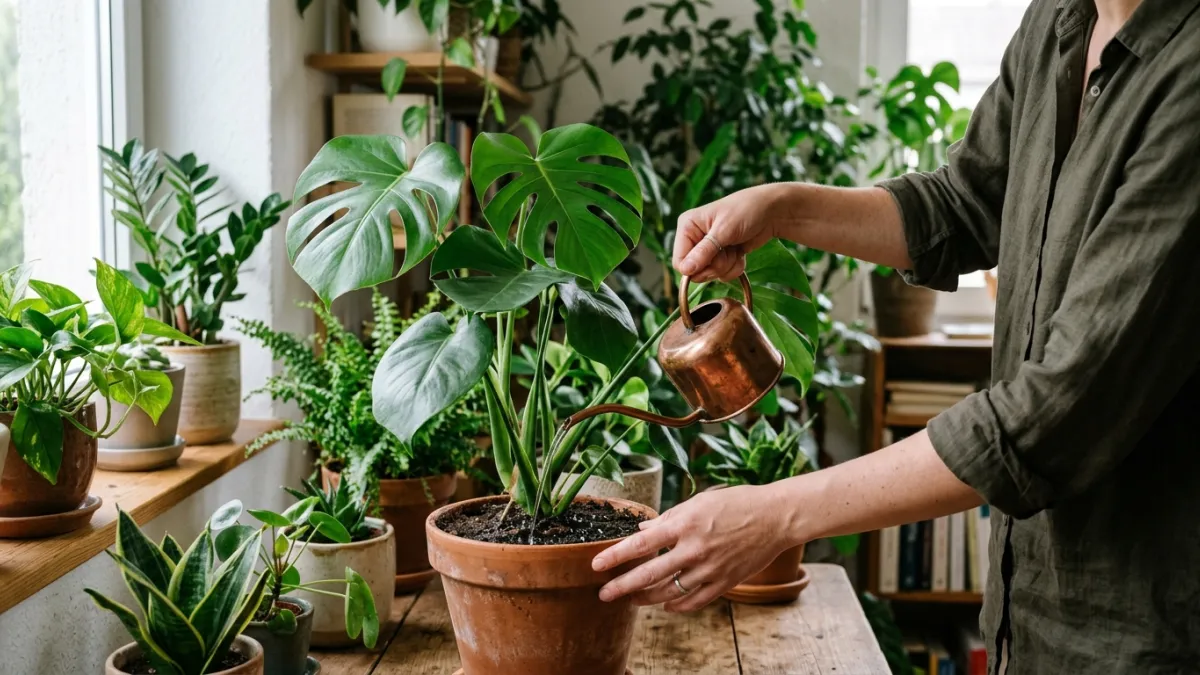
Overwatering is the single most common reason indoor plants fail. Rather than watering on a rigid calendar schedule like "every Monday," test the soil before reaching for the watering can. Insert your finger or a digital moisture meter into the top layer of pot medium.
For standard tropical foliage (such as Pothos or Monstera), water thoroughly only when the top 2 inches of soil feel bone dry. For drought-tolerant succulents, ZZ plants, and Snake plants, allow the entire soil volume to dry out completely between waterings. When you do water, drench the soil until water flows freely out of the drainage holes, then empty the saucer after 15 minutes so the pot does not sit in standing water.
The DIY Well-Draining Soil Recipe
Standard bagged potting soil often holds too much moisture for indoor conditions, leading to compacted roots and fungal issues like root rot. A well-draining soil mix ensures excess water passes through while leaving enough oxygen around the root zone.
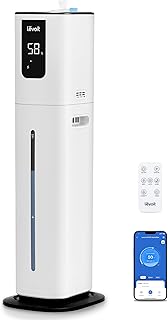
Optimal Tropical Humidity: Levoit Smart Cool Mist Ultrasonic Humidifier
To prepare an ideal all-purpose tropical houseplant substrate, blend the following proportions:
- 50% Quality Potting Soil: Base medium providing essential nutrients and organic matter.
- 30% Perlite or Pumice: Insoluble volcanic minerals that create air pockets and promote rapid drainage.
- 20% Coarse Orchid Bark: Provides structural aerating space that mimics the natural forest floor environments of epiphytes.
Fertilizing and Seasonal Care Schedules
Houseplants consume nutrients as they grow, depleting potting mix over time. Apply a balanced liquid fertilizer (such as a 10-10-10 or 20-20-20 N-P-K formula) diluted to half the manufacturer's recommended strength every 4 weeks during spring and summer.
During late autumn and winter, indoor plants enter a natural resting phase due to reduced daylight hours. Pause fertilization entirely from November through February and scale back watering frequency by roughly half, as soil stays damp much longer in cooler, darker conditions.
Comparing Popular Easy Care House Plants
If you are building your indoor jungle or looking for reliable, stress-free green companions, these popular selections offer maximum visual impact with minimal effort:
| Plant Species | Light Level | Watering Schedule | Care Level |
|---|---|---|---|
| Snake Plant 'Laurentii' | Low to Bright Indirect | Every 2–3 weeks (100% dry soil) | Beginner (Very Easy) |
| ZZ Plant (Zamioculcas zamiifolia) | Low to Medium Indirect | Every 3–4 weeks (100% dry soil) | Beginner (Very Easy) |
| Golden Pothos (Epipremnum aureum) | Medium to Bright Indirect | Every 7–10 days (top 2" dry) | Beginner (Easy) |
| Swiss Cheese Plant (Monstera deliciosa) | Bright Indirect Light | Every 7–12 days (top 2" dry) | Beginner / Intermediate |
Precision Root Hydration: XLUX Soil Moisture Meter Sensor

Pest Prevention and Simple Solutions
Common indoor houseplant pests include fungus gnats, spider mites, mealybugs, and scale insects. Inspecting undersides of leaves and leaf joints during your routine waterings catches infestations before they spread.
If you discover sap-sucking pests like mealybugs or spider mites, wipe down infected leaves with a damp cloth and apply a ready-to-use cold-pressed neem oil spray or insecticidal soap diluted according to package instructions. Treat weekly for three consecutive weeks to disrupt the insect lifecycle completely. For fungus gnats flying near moist soil, allow the top layers of potting mix to dry out thoroughly between waterings and place yellow sticky traps near the base of the pot.
4 Common Mistakes to Avoid
- Pots Without Drainage: Planting directly into decorative pots with no bottom holes traps water around roots, inevitably causing root decay. Always keep plants in plastic nursery pots inside decorative cachepots.
- Drafty Placements: Avoid placing delicate foliage directly in line with air conditioning vents, space heaters, or drafty exterior doors.
- Sunburning Leaves: Moving shade-loving tropicals into direct, harsh mid-day sunlight will scorch leaves, turning them crisp and white or brown.
- Over-potting: Repotting into a container that is more than 2 inches larger in diameter retains too much excess wet soil surrounding small root balls.
What to Do This Week
Get your house plant care routine on track today with these three quick actions:
- Check soil moisture: Stick a finger 2 inches into the soil of every plant in your home. Water only those that feel dry.
- Dust off the leaves: Wipe down broad leaves with a damp microfiber cloth so dust doesn't block incoming light.
- Rotate your pots: Give each pot a 90-degree turn so all sides receive balanced light, keeping growth straight and symmetric.
Frequently Asked Questions
Instant Nutrient Boost: Miracle-Gro Liquid Indoor Plant Food

Why are the tips of my indoor plant leaves turning brown?
Brown leaf tips are usually caused by low ambient humidity, mineral buildup from tap water, or underwatering. You can trim dry tips with clean scissors and increase ambient humidity around tropical foliage using a cool-mist room humidifier.
When should I repot my houseplants?
Repot during early spring or summer when roots begin growing out through bottom drainage holes, or when water runs straight through without soaking into compacted soil. Choose a new pot that is only 1 to 2 inches wider than the current pot.
How do I propagate Pothos or Philodendron cuttings?
Snip a healthy stem just below a leaf node (the small brown bump where leaves meet the stem). Place the stem cutting in a clear glass bottle of clean water, ensuring at least one node is submerged. Roots will typically emerge within 2 to 3 weeks.